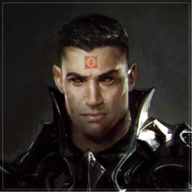

The Golden Dragon






Ure'drahr
The Golden Dragon
Sahan Dragr's Personal Beskar'gam — Mk IV
The Golden Dragon
Sahan Dragr's Personal Beskar'gam — Mk IV
OUT OF CHARACTER INFORMATION
- Intent: To create Sahan Dragr's ultimate personal beskar'gam
- Image Source:
- Canon Links:
- Permissions:
- Roble Manufacturing
- Maji Ironworks
- Force-Tech
- Angelus Arms
- GDI
- Ji'yr Market | Mandalorian Marketplace
- Breshig War Forge Consolidated (and here)
- Black Hand Collective™ (And Here)
- Locke and Key Mechanics (And Here)
- Iron Heart Forgeworks
- Kyr'bes Buy'ce
- Jaeger Solutions
- Freebirds Industries Civilian and Military Storefront
- Sasori Research and Design
- HPI Consortium
- Primary Source:
PRODUCTION INFORMATION
- Manufacturer:
- Sahan Dragr
- Kyr'bes Buy'ce (automated machinery)
- ARTUS the Mindforge (design assistance and system architecture)
- Affiliation: Sahan Dragr
- Market Status: Closed-Market
- Model: Mk IV
- Modularity: High. Ure'drahr can partially deploy, reconfigure preset armor sections, seal breaches, redistribute nanites, and swap consumables or external modules. True modification requires Sahan, ARTUS, proper tools, compatible components, replacement nanites, and calibration.
- Production: Unique
- Material:
- Ve'vut Beskar, Sahan's gold-toned aurodium-beskar steel alloy
- Beskadetr Transparent Armor Composite
- Trakar / Voidsteel
- Vong Bonemeal
- Cortosis
- Zûtsina Cold Steel
- Tracyntium Alloy
- Phrik, compact recorder-core reinforcement only
- Impervium, compact recorder-core reinforcement only
- Manda Kyber Crystal Powder
- FACTS Gel
- Force-Tech Environmental Sealing Gel
- Ultrachrome / Haysian Smelt Circuitry
- Miriskin Leather
- Kuryida Edee Hide
- Equivox
- Nanotechnology
- Nanohive
- Nano Assemblers
- Sasori Materia
- Changing Molecule
- Ethaerium X Fuel
- Tensile-Durasteel Mesh
- Banterweave
- Taozin-derived refraction material
- Materials of individual components.
TECHNICAL SPECIFICATIONS
- Classification: Beskar'gam
- Weight: Medium
Resistances:- Energy: Extreme
- Kinetic: Very High
- Lightsabers: Extreme
- Thermal: Extreme
- Radiation: Very High
- EMP/Ion: High
- Acid/Chemical: Average
- Sonic: Average
- The Force: Extreme
- Disruptors: None
- Tensor: None
SPECIAL FEATURES
Armor Shell / Deployment:
- Nanotechnological Dragon-Scale Shell: A fully enclosed golden shell of interlocking scale plates made primarily from Ve'vut Beskar, with Trakar/voidsteel anti-Force underlayers and inlays where needed. When fully deployed, no visible bodyglove or flightsuit is exposed.
- Adaptive Dragon-Scale Aeroform: Uses the armor's nanolattice, Sasori Materia, Changing Molecule, and collapsible microassemblies to shift between preset high-speed, braking, heat-shedding, breach-sealing, and combat configurations.
- Distributed Nanite Reservoirs: Nanites are housed within Sahan's body, bloodstream, cellular reservoirs, subdermal channels, Ironheart core, utility belt cartridges, and external backpack module.
- Intravenous and Subdermal Nanite Interface: Internal nanites act as a living interface between Sahan, DRAHR, the Ironheart, and the deployed armor, allowing faster response, tighter biometric feedback, improved diagnostics, emergency stabilization, and limited battlefield medical aid.
- Partial Deployment System: Sahan can deploy individual sections of the armor without forming the full suit, including the helmet, vambraces, gauntlets, boots, Ironheart shell, or Dragonflight backpack.
- Besk'gathr Legacy Architecture: Sahan's previous Mk III beskar'gam was dismantled, analyzed, reforged, and deconstructed into the Mk IV project. Salvaged systems, refined material, combat telemetry, armor-pattern data, and lessons from its destruction were folded into Ure'drahr's nanolattice, Ironheart routing, DRAHR response logic, and dragon-scale shell design.
- Nanohive / Nano Assembler Repair Network: Allows breach sealing, minor repairs, armor patching, controlled reassembly, and slow restorative support when supplied with time, material, and functioning nanites.
Core / Ironheart / Software:
- Manda Tactical Battlenet - Ground Variant
- RMD-C10 Odin Processor Core
- LK Apollo Mark II
- G'ahycaya CPU Cooler
- Ionization Buffer
- Combat De-Ionizer
- Rust Inhibition System
- Shockweb
- Electric Shock Lacing
- Physiological Enhancement System
- Strength Enhancing System
- Force-Tech HARC Power Generator
- ND-013 "White Noise" Class LRWD Radio, integrated through the torso and Ironheart architecture.
- R.A.C.E.R. — Rectification and Cross Examination Routine
- GPO-12 "Ironmaze" Threat-Prevention Suite
- GCS-EM "Shroud" Micro-ECM Suite
- GSI/DE "Synapse" Command Interface Suite, adapted into DRAHR's armor-scale command integration.
- GDE-MDS Modular Deck System, adapted into selective magno-adhesion and polarity-control logic.
- Asmulr-Derived Impact Surge Logic: Armor-scale capacitor timing, magnetic containment, and thermal-feedback routines adapted from the Asmulr-type Plasma Ram, allowing DRAHR and the Dragonheart to coordinate short plasma-sheathed impact windows during high-speed strikes, breaching attempts, and controlled collision attacks.
- DRAHR Disguise Profile Management: DRAHR manages stored multispectrum disguise profiles, projector alignment, speech-scrambler synchronization, scanner-spoofing support, power draw, and distortion warnings. The Dragonheart can provide the disguise suite with far greater endurance than a normal handheld or belt-mounted unit, but sustained projection still adds heat, power load, and sensor exposure.
- Wireless Temiye Ansible link to ARTUS the Mindforge
- Ironheart Nanohive Core: The plasma-blue Ironheart acts as the armor's nanite regulation, power-routing, diagnostic, and deployment hub.
- Dragonheart Capacitor and Power-Routing Bus: Regulates HARC output through armor-scale systems, allowing short overcharge of shields, thrusters, White Noise, shockwaves, sensors, or repair systems.
- Dragonheart Auxiliary Power Management: DRAHR and the Dragonheart can route stored auxiliary power from the Dragonback Solar-Ion Reclamation Lattice into low-demand systems, emergency reserves, standby electronics, life-support monitoring, passive sensors, and recovery cycles when the main HARC output is throttled, damaged, or being conserved.
- Dragon's Memory Armored Recorder Core: A compact hardened combat recorder housed within the Ironheart architecture and protected by layered Ve'vut Beskar, Phrik, Impervium, Trakar/voidsteel shielding, shock-isolation gel, and Haysian Smelt/Ultrachrome Faraday routing. It records DRAHR telemetry, HUD feeds, biometric data, flight vectors, power-routing events, damage reports, impact warnings, suit failures, and final-location data so Sahan can recover combat lessons after battle or leave a survivable record if the armor is catastrophically disabled.
- Forgemaster Authentication Seals: The armor uses biometric locks, encrypted DRAHR handshakes, Ironheart recognition, neural-pattern verification, and Clan Dragr maker-marks to prevent unauthorized users from fully deploying, modifying, or commanding Ure'drahr.
- Delayed Recovery Beacon: If Sahan is incapacitated, isolated, or presumed dead, DRAHR can trigger a delayed encrypted recovery beacon carrying last-known coordinates, suit condition, biometric status, damage telemetry, and a restricted distress code for trusted Clan Dragr, Iron Covenant, or ARTUS-linked receivers.
- DRAHR — Dragonflight Reactive Armor Heuristic Routine: A non-sentient armor-local assistant and combat coprocessor coordinating suit response, sensor fusion, flight correction, nanolattice deployment, power routing, impact bracing, and emergency warnings.
- Dragon's Silence Offline Failsafe: Can sever external wireless access, isolate nanotech command layers, cut the ARTUS link, and run the suit through DRAHR and local systems only.
Body / Hidden Undersuit / Cowl / Kama:
- Miriskin Leather Lining
- Sasori Materia-altered Prudii'kute Armored Bodyglove
- Equivox Underlining
- M.I. Beskar'gam Mk.1 inherited architecture
- Body Mimicry Control System
- Zûtsina Cold Steel Underlining
- Biorestorative Underlay
- Environment Underlay
- Advanced Hydration System
- Advanced Regulator System
- Sealed Respiratory Circulation Loop: The Advanced Regulator System, environmental underlay, Force-Tech sealing gel, and Dragonlung circuit monitor pressure, oxygen concentration, carbon dioxide buildup, toxins, humidity, suit leaks, and wearer stress while routing breathable air through the sealed helmet and armor.
- Luminous Overlaid Technological Shields
- Inertial Compensator
- MRS-04D Omvendt Ablative Inertial Damper
- Personal Repulsor Fitting
- Cortosis-Weave Kama and Cowl
- Haran'val Mark, integrated at the waist/kama as a Humbarine remembrance cloth
- Taozin Refraction Shroud: Passive Force-perception distortion woven through the cowl, inner collar, undersuit, kama, and scarf architecture.
Helmet / Visor / HUD / Recon Suite:
- Beskadetr Transparent Armor Composite black T-visor
- Temiye Ansible Communications System
- Wind-Talker Class Personal Communications Array
- FR1-X Comspike
- M.I. Universal Heads-Up Display
- HUD-2.1 "Acumen" Helmet System
- Holo-Imager
- Mk.2 "Predator" Scan-Pulse Module
- Enhanced Optics Suite
- Polarizing Visor
- Electronic Translator, set to Mando'a (Kestrian dialect) by default
- Mando'a Status Cant: DRAHR can render warnings, damage reports, threat markers, flight prompts, and system states in terse Mando'a battle-cant, including color-coded Clan Dragr glyphs and priority runes across the HUD.
- Glowrod
- Howl_Runner.exe
- O.S.I.V.P. — Overlapping Sensor Input Verification Protocol
- Manda'hlirata Force Scanner
- Mandalorian Recon Helmet systems integrated internally
- M.I. Rotating Communications System, micronized into helmet comm architecture
- M.I. Scan-Jam Package, micronized for scanner overlays and short-burst jamming
- Dragonlung Full-Seal Life Support System: A compact sealed breathing suite integrated through the helmet, collar, chest routing, belt, and dorsal module. It combines rebreather, A99 aquata breather, transpirator, Oxidizer, enviro-filter, mechgill, oxygen recirculator, and trace-breather principles to provide stored breathable air in vacuum or oxygen-free atmospheres, filter hostile air, extract oxygen from trace-atmosphere or liquid environments, recycle suit air, and refill its reserves when Sahan re-enters an oxygen-bearing environment. In full-seal mode it can support approximately six to eight hours of normal operation, or up to twelve hours when fully stocked with extended air capsules and running in emergency conservation mode.
- Dragonlung Readout and Seal Diagnostics: The HUD tracks reserve pressure, estimated air time, oxygen concentration, carbon dioxide buildup, scrubber saturation, filter status, seal integrity, suit pressure, leak warnings, and emergency conservation options.
- Symmetrical Sealed Helmet: The helmet has no external rangefinder or sensor mast; recon, rangefinding, and targeting systems are internal.
- Blood-Red Eye/HUD Glow: The visor remains mostly black, but faint blood-red light can show through where Sahan's eyes would be when DRAHR, the HUD, or targeting systems are active.
Back / Backpack / Dragonflight Jetpack Module:
- Latac'a Armor Flight System
- Raven Class Repulsor/Thrust System
- Advanced Micro Thrusters
- PMP-7 "Icharus" Gravpack
- Feilong Repulsor
- Shev'la Gteditr Rocket Pack, Mandalorian version
- ENCL-JR5 "Striking Falcon" Jetpack
- Icarus Jetpack Flight Attachment
- Deployable Air Brakes
- Dorsal/shoulder MGL (Micro-Grenade Launcher):
- Ethaerium X Fuel Reservoirs
- Low-Profile Oxygen Reserve Manifold: The dorsal module, Ironheart-adjacent chest routing, collar channels, and belt reservoirs carry compact compressed breathable-air cells, oxygen recirculator components, filters, scrubbers, emergency trace-breather cartridges, and extended air capsules. When ambient oxygen is available, the system can slowly replenish stored reserves through filtration and compression; in vacuum or oxygen-free atmospheres, it operates on finite stored air.
- Dragonback Solar-Ion Reclamation Lattice: Thin solar-ion collector cells and rechargeable auxiliary power cells are built into the dorsal module, upper backplate, shoulder roots, and heat-shedding surfaces. They can trickle-charge low-demand systems, emergency batteries, passive sensors, life-support monitoring, and standby electronics when exposed to usable radiation, but they do not replace the HARC Generator or provide meaningful combat-speed recharging.
- Tusurki'aa Ta'hye Beskad sheath mounted under the dorsal assembly
- GSI-UA1 Utility Arm compatible dorsal hardpoint
- Collapsible Dragonflight Module: The backpack stores larger collapsible microassemblies and fuel reservoirs, allowing it to unfold into the primary jetpack, dorsal flight spine, heat sinks, airbrakes, and heavy thruster assembly. It can deploy independently as a standalone flight pack or merge into the full armor.
- Dragonflight Combat Coprocessor: DRAHR-controlled flight architecture coordinating repulsors, gravpack functions, microthrusters, airbrakes, inertial systems, and emergency stabilization.
- Magno-Lock Holsters
Shields / Shockwave / Defensive Layers:
- Verpine Personal Shield Generator
- Mandalorian Personal Shield Generator
- M.I. Personal Deflector Shield, detachable
- Shockwave Generator, routed through chest, hands, or soles of boots
- Layered Shield Management: DRAHR and the Ironheart coordinate shield prioritization, emergency reinforcement, and overcharge windows when power and heat limits allow.
Shoulders / Pauldrons / Whistling Bird Racks:
- Tracyntium Alloy Whistling Bird Launchers
- Htagir'senaar Whistling Birds, CryoBan / freezing birds
- Tracyn'senaar Whistling Birds, incendiary / pyro birds
- Burbr'tracyn Whistling Birds, blackout birds for smoke, sensor disruption, and target-lock denial
- Vheh'senaar Whistling Birds, ion / EMP birds
- Kandosii'senaar Whistling Birds, micro-breacher birds
- Mirshko'senaar Whistling Birds, sonic / concussion birds
- TM-ST200 "Stänger" Missile System, GDI-derived micro-penetrator inspiration for select tiny payloads
- Null Dust micro-canister ports
- S.A.N.D Powder micro-canister ports
- Stray Kaleidoscopic Polymer chaff ports
- Opaque Hardlight Emitters, optional false silhouette / afterimage projection
Upper Arms / Elbows / Forearms:
- Combat Myomer Actuation System
- Gar Agol CNT Synthetic Muscle Fibers
- Tensile-Durasteel Mesh
- Banterweave
- Retractable Devaronian Blood-Poison tipped combat vibrospines
- Dragr Fang Elbow Vibrospikes: Single thicker retractable vibrospikes in each elbow for focused impact and piercing strikes.
- Rising Dragon Impact Assist System: Distributed through shoulders, arms, torso, hands, hips, and boots to reinforce punches, elbows, grapples, and weapon recoil using myomer, CNT fibers, microthrusters, inertial bracing, shockwave routing, and magno-adhesion.
- Plasma Ram Strike Sheath: A personal-scale adaptation of the Asmulr-type Plasma Ram concept, routed through the gauntlets, elbows, knees, boots, and impact-bracing systems. It can briefly wrap selected strike surfaces in a magnetically contained plasma sheath during committed high-speed impacts, helping scorch shields, stress armor surfaces, and amplify Rising Dragon collision strikes.
- Localized Magno-Adhesion Strips: Active magnetic nodes for weapon retention, bracing, climbing, anchoring, grappling, and emergency stabilization.
Right Vambrace:
- Suyurbao'r Energy Shield
- Mirshir'jika Mandalorian Vibro-Shock Whip / Whipcord Launcher
- Tracyntium Alloy Dart Launcher
- Devaronian Blood-Poison Darts
- Toxic Darts
- Yossuban Venom Darts
- Symoxin
- Sonic Blaster
- Retractable Knuckleplate Vibroknife tipped with Devaronian Blood-Poison
Left Vambrace:
- Suyurbao'r Energy Shield
- The Iron Heart's Will I.H.W. Slicer Key
- Wrist Laser
- Mk.II "Starfire" Plasma-Caster
- Multi-Functional Flamethrower System, with incendiary, carbonite, and Cryoban modes
- Sonic Servodriver
- Retractable Knuckleplate Vibroknife tipped with Devaronian Blood-Poison
Hands / Gauntlets:
- Frostbane Cortosis Gauntlets, plated with Sahan's special beskar alloy
- Runi Ticu'r, integrated into each gauntlet
- Antitamper Fields
- Disruption Glove capability
- Lightning Glove capability
- Palm Repulsors
- Palm Shockwave Emitters
Utility Belt / Waist / Kama:
- Cortosis-Weave Kuryida Edee Hide Utility Belt
- Haran'val Mark
- Saotome Armor Field Kit
- Universal Field Kit
- Null Dust
- S.A.N.D Powder
- Stray Kaleidoscopic Polymer
- Irya'kadir Smoke Bombs
- Replacement nanite cartridges, fuel cartridges, ammunition rounds, coolant cells, Cryoban reservoirs, carbonite reservoirs, dart magazines, Ba'viinir Fragmentation Grenades, Orar'marev Concussion Grenades, Iviin-type Gravitic Compression Grenades, Jaro EMP-Ion Grenades, Naast Thermal Grenade, Ret'lini Sticky Grenade, Mirshir Ka'esr Binders, rebreather filters, transpirator scrubbers, recirculator cells, compressed breathable-air cells, extended air capsules, trace-breather cartridges, compact survival ration capsules, slicer probes, emergency medical stores, and utility tools.
- Magno-Lock Holsters
Legs / Knees / Shins:
- Retractable Devaronian Blood-Poison tipped combat vibrospines
- Tracyntium Alloy Kneepad Rocket Dart Launchers
- Combat Myomer Actuation System
- Gar Agol CNT Synthetic Muscle Fibers
- Tensile-Durasteel Mesh
- Banterweave
- Dragr Fang Knee Vibrospikes: Single thicker retractable vibrospikes in each knee for focused impact, piercing knee strikes, and armor-cracking blows.
- Dragonfall Braking Stabilizers: Leg-mounted stabilizers and microthruster logic used during emergency braking, hard landings, and high-speed combat stops.
Feet / Boots:
- M.I. "Halo" Jump Boots
- Retractable Devaronian Blood-Poison tipped boot vibroknives, x2
- Sole Shockwave Emitters
- Sole Repulsors
- Dragonfall Plasma Brake Impact: During high-speed descents or abrupt braking collisions, the armor can route a brief plasma-sheathed impact pulse through the knees, boots, and shockwave systems to turn momentum into a concentrated linebreaking strike.
- Repulsor-Skate Mode: High-speed surface-skimming movement using repulsors and stabilizing microthrusters.
- Magno-Anchor Mode: Active magno-adhesion for hull-locking, anti-throw anchoring, and sudden stops.
- Dragonfall Braking Mode: Combines airbrakes, repulsors, reverse thrust, shockwave emitters, and magnetic anchoring to turn high-speed stops into controlled concussive landings.
Stealth / Deception / External Weapon Compatibility:
- Stealth Field Generator
- Reflec integration
- GCS-EM "Shroud" Micro-ECM Suite
- M.I. Scan-Jam Package
- Opaque Hardlight Emitters
- Multispectrum Disguise Suite
- Armor-Scale Multispectrum Disguise Projectors: Miniaturized holoprojectors integrated through the helmet, chest, shoulders, belt, and dorsal systems. They can overlay preloaded holographic disguise profiles over Ure'drahr, allowing Sahan to alter the armor's apparent markings, color scheme, damage state, silhouette details, or broad visual profile. DRAHR can coordinate the disguise suite with Reflec integration, hardlight emitters, Shroud ECM, and Scan-Jam support.
- EF-M401E Enforcer Series Scattergun — "Rampage" Edition compatibility
- O'dteyase Saranuhlr compatibility
- M.I. Model 12 Shatter Rifle compatibility
- M.I. Model 6 Hybrid Pistol compatibility
STRENGTHS
- Dragon-Scale War Plate: Ure'drahr is a full-body shell of advanced Ve'vut Beskar dragon-scale armor, reinforced by Trakar/voidsteel layers, specialized underlayers, shields, impact webbing, and nanotechnological support. This provides a sealed armored surface with no exposed flightsuit while deployed.
- Extreme Energy Defense: Dense Ve'vut Beskar scale plates, layered personal shields, Dragonheart power-routing, HARC-fed shield reinforcement, FACTS Gel, and active countermeasure management allow the armor to endure extraordinary blaster, plasma, particle, and energy-weapon punishment.
- Very High Kinetic Protection: Interlocked scale plates, Tensile-Durasteel Mesh, Banterweave, inertial dampers, impact bracing, shield layering, and DRAHR-managed body support make the armor extremely resistant to slugthrowers, shrapnel, concussive impact, and blunt force trauma.
- Extreme Lightsaber Resistance: The armor combines advanced beskar-based plating, cortosis elements, Runi Ticu'r, antitamper fields, and a fully enclosed scale shell. Lightsabers are still dangerous, but the armor is built to survive direct saber contact better than most personal armor.
- Extreme Thermal Protection: Zûtsina Cold Steel, thermal routing, environmental sealing, FACTS Gel, Dragonheart heat management, flight cooling, carbonite/Cryoban systems, and high-speed aerospace design allow the armor to resist extreme heat, cold, plasma wash, re-entry-style heating, and thermal shock.
- Very High Radiation Protection: The hidden undersuit, environmental underlay, regulator systems, Force-Tech sealing, sealed scale shell, diagnostic support, and internal nanite interface provide strong protection against battlefield radiation, vacuum exposure, and hostile environmental conditions.
- Hardened Against Ion/EMP: Ionization buffers, combat de-ionizers, Haysian Smelt/Ultrachrome grounding architecture, local fallback systems, DRAHR safety routines, and Dragon's Silence mode give the armor strong resistance to EMP and ion disruption.
- Medium, But Fully Armored: Sahan's specialized gold-toned alloy is lighter than standard beskar, allowing the suit to function as Medium armor despite full-body coverage and dense internal systems.
- Force-Hunter's Shell: Miriskin, Trakar, Manda kyber powder, White Noise, Runi Ticu'r, antitamper fields, Taozin refraction, Null Dust, and Manda'hlirata detection make the armor exceptionally difficult to sense, read, track, or manipulate through the Force. This accounts for its Extreme Force resistance.
- DRAHR Online: DRAHR provides near-instant local suit coordination, managing armor deployment, sensor fusion, power routing, flight correction, shockwave timing, impact bracing, and emergency response without replacing Sahan's own judgment.
- HARC-Fed Dragonheart: The HARC Generator and Dragonheart routing system give the armor far more raw energy than most personal platforms, supporting demanding shields, flight systems, White Noise, sensors, weapons, and short overcharge functions.
- Dragonflight: The armor is built for extreme aerial combat, combining multiple flight systems, Ethaerium X fuel, repulsors, gravitic support, microthrusters, airbrakes, vectoring systems, and DRAHR-assisted stabilization.
- Extended Full-Seal Endurance: Dragonlung gives Ure'drahr a sealed oxygen reserve for vacuum and oxygen-free environments, while its regulator, filters, recirculators, ambient oxygen reclamation systems, and extended air capsules can support long-duration survival and gradually restore breathable-air reserves after returning to an oxygen-bearing atmosphere.
- Passive Power Recovery: The Dragonback Solar-Ion Reclamation Lattice gives the armor a low-profile trickle-charging method for auxiliary batteries, passive sensors, life-support monitoring, standby electronics, and emergency reserves when exposed to usable radiation.
- Rising Dragon Impact Assist: The armor supports Sahan's martial art by reinforcing strikes, stabilizing joints, routing recoil, enhancing high-speed impacts, and allowing punches, elbows, knees, and grapples to benefit from armor-scale bracing and propulsion.
- Linebreaker Strike System: Tracyntium penetrator payloads and the armor's plasma ram strike sheath give Ure'drahr brutal hardpoint-breaking options against shields, armor seams, vehicles, droids, and fortified targets when Sahan commits to high-speed impact attacks.
- Spines and Fangs: Vibrospines along the arms and legs provide ripping and slashing threats, while heavier Dragr Fang elbow and knee vibrospikes focus impact into brutal piercing strikes.
- Rapid Nanite Deployment: Internal, Ironheart, belt, and backpack nanite reserves allow emergency armor formation, partial deployments, repairs, and full combat assembly.
- Medical Interface: Intravenous and subdermal nanites give DRAHR direct biometric feedback, enabling improved diagnostics, motion prediction, emergency stabilization, and limited internal medical aid.
- Layered Shielding and Countermeasures: Multiple shield systems, antitamper fields, ECM, chaff, smoke, Null Dust, Shroud, O.S.I.V.P., R.A.C.E.R., and Ironmaze give the armor strong layered defenses against physical, electronic, and sensor-based threats.
- Integrated Grenade Ordnance: The MGL and utility belt can carry smoke, fragmentation, concussion, and gravitic compression grenades, giving Sahan flexible battlefield-control options beyond his Whistling Birds, darts, and direct weapon systems.
- Secure Forgemaster Controls: Biometric locks, encrypted DRAHR handshakes, Ironheart recognition, neural-pattern verification, and Clan Dragr maker-marks make Ure'drahr difficult for unauthorized users to deploy, modify, or command.
- Hardened Memory and Recovery Systems: Dragon's Memory and the delayed recovery beacon give Sahan a compact armored record of combat telemetry, suit failures, last-known coordinates, and biometric status, improving post-battle analysis and making catastrophic loss less likely to erase everything the armor learned.
- Adaptive Visual Deception: Reflec integration, hardlight emitters, Shroud ECM, Scan-Jam support, and armor-scale multispectrum disguise projectors allow Ure'drahr to mislead visual observers, alter markings, disguise damage, spoof broad armor profile details, or briefly present a different visual identity when conditions allow.
- Mandalorian Walking Arsenal: Ure'drahr carries Whistling Birds, vibrospines, vibrospikes, vibroknives, darts, sonic weapons, slicer tools, Starfire, a multi-functional flamethrower/freezer, shockwaves, repulsors, grenade ordnance, binders, and utility payloads.
- Humbarine Legacy: The Haran'val Mark and Mandalorian Recon Helmet systems are integrated as remembrance pieces and practical upgrades earned from the Humbarine campaign.
WEAKNESSES
- Disruptors: The armor has no meaningful resistance to disruptor weapons.
- Tensor Weapons: The armor offers no special protection against tensor-based weaponry.
- Extreme Does Not Mean Immune: Energy, lightsaber, thermal, and Force resistance are all extremely high, but they can still be overwhelmed by sustained pressure, specialized weapons, environmental hazards, clever targeting, or attacks focused on joints, seals, transparent components, or already-damaged sections.
- Kinetic Trauma Still Transfers: The armor has Very High kinetic protection, not immunity. Extreme mass, vehicle impacts, crushing force, hard falls, heavy artillery, and repeated blunt trauma can still stagger, injure, pin, or incapacitate Sahan through the suit.
- Lightsaber Resistance Has Limits: The armor is highly resistant to lightsabers, but sustained cutting, repeated strikes to the same area, attacks at joints or seams, visor edges, damaged plates, exposed weapon ports, or gaps opened during reconfiguration can still become serious threats.
- Thermal Protection Has Limits: The armor resists extreme heat and cold, but it cannot ignore endless plasma exposure, internal heat buildup, failed cooling systems, overcharged subsystems, catastrophic re-entry conditions, or thermal attacks focused on vents, seals, reservoirs, and weapon ports.
- Radiation Protection Is Not Absolute: Very High radiation resistance does not make Sahan immune to prolonged reactor exposure, exotic radiation, compromised seals, internal contamination, or radiation that directly disrupts biological tissue and internal nanites over time.
- Dense, Not Light: The alloy is lighter than standard beskar and the suit is power-assisted enough to function as Medium armor, but Ure'drahr is still a dense full-body war plate packed with weapons, shields, power systems, and reservoirs. If depowered, damaged, or locked in place, it becomes far more burdensome than its rating suggests.
- Throughput Limits: The HARC Generator provides absurd raw power, but the armor cannot use literal unlimited energy in practice. DRAHR and the Dragonheart must throttle output to prevent heat buildup, emitter burnout, conduit stress, shield instability, or subsystem overload.
- Heat and Overcharge: Dragonheart overcharge and plasma ram strike-sheath use can temporarily boost performance, but excess energy must be vented. Overuse can disable stealth, force weapons offline, reduce speed, trigger emergency cooling, damage emitters, or cause temporary system lockouts.
- Ion/EMP Vulnerability Still Exists: The suit has strong resistance, buffers, grounding architecture, and de-ionizers, but severe ionization can lock nanites in place, delay assembly, freeze joints, disable weapons, interrupt sensors, or degrade DRAHR coordination.
- Sonic Stress: Sonic weapons can rattle plates, disrupt sensors, interfere with articulation, harm the wearer through concussive transfer, and destabilize delicate nanolattice sections.
- Acid and Chemical Seepage: Acid and chemical resistance is only Average. Corrosive compounds, toxins, solvents, and chemical saturation can attack seals, cowl/kama materials, belt systems, exposed ports, internal reservoirs, and biological interface points.
- Assembly Window: The armor is vulnerable while forming, partially disassembled, or reconfiguring. Ion pulses, electromagnetic attacks, physical separation, or targeted strikes can interrupt deployment.
- Nanotech Is Not Infinite: Destroyed nanites must be replaced. Severe damage requires time, raw material, maintenance, or replacement cartridges. The armor cannot instantly regenerate from catastrophic destruction.
- Internal Nanites Are Not Instant Healing: The intravenous and subdermal nanites can stabilize injuries, assist diagnostics, slow bleeding, deliver stored medications, and support minor internal repairs, but they cannot instantly heal catastrophic trauma.
- Biological Interface Risk: Because part of the control and diagnostic system lives inside Sahan's body, severe toxins, radiation, ionization, blood loss, shock, or medical disruption can interfere with suit feedback.
- Consumables Are Limited: Whistling Birds, darts, Tracyntium penetrators, grenades, Null Dust, S.A.N.D Powder, chaff, smoke, flamethrower fuel, carbonite, Cryoban, Ethaerium X fuel, specialty payloads, coolant, rebreather filters, transpirator scrubbers, recirculator cells, compressed breathable-air reserves, extended air capsules, trace-breather cartridges, survival rations, and replacement nanites can run out. The armor's nanotech can deploy launchers and route systems, but it cannot create infinite ammunition, fuel, air, dust, coolant, or supplies.
- Stored Air Is Finite: Dragonlung can provide full stored breathable air in vacuum or oxygen-free atmospheres and can replenish itself after returning to an oxygen-bearing environment, but it cannot create oxygen from nothing. Six to eight hours is typical for normal sealed operation, while the twelve-hour maximum requires full extended air capsules, conservation mode, reduced exertion, intact seals, and functioning recirculators. Heavy combat, injury, panic breathing, high-speed exertion, cooling failures, corrosive atmospheres, blocked intakes, or damaged seals can sharply reduce that duration.
- External Module Dependency: Sahan's internal reserves can form a standard combat configuration, but the external backpack and belt reservoirs carry heavier components, reloads, fuel, coolant, replacement nanites, extended air capsules, and extended-flight hardware. Losing them limits endurance and may prevent full Dragonflight deployment.
- Complexity Kills: Damage to DRAHR, the Nanohive, Dragonheart routing, Ironheart core, or key software can cause cascading faults across multiple systems.
- Cybersecurity Is Not Immunity: Ironmaze, R.A.C.E.R., Shroud, and Dragon's Silence make intrusion harder, but heavy slicing, malware, sabotage, Mechu-Deru, or electronic warfare can still cause delays, lockouts, degraded responsiveness, or temporary failure.
- ARTUS Link Can Be Cut: Interference, jamming, damage, Dragon's Silence mode, or deliberate isolation can leave Sahan with only DRAHR and local systems.
- DRAHR Is Not a Droid: DRAHR is a heuristic assistant, not an independent combatant. It cannot replace Sahan's judgment, fight for him, or operate as a separate character.
- Force Resistance Cuts Both Ways: Beneficial Force effects, including healing, enhancement, or allied protection, are also resisted.
- Not Immune to Environmental Force Use: The armor resists direct Force effects on Sahan or the suit, but does not negate thrown objects, collapsing ground, pressure shifts, environmental hazards, or indirect consequences.
- Speed Has Limits: Mach X is a maximum straight-line burst. The armor loses meaningful mobility past Mach V and performs best at Mach III or below. High-speed maneuvers require space, cooldown, and careful vector control.
- Speed Endangers Allies: Shockwaves, exhaust, sudden braking, sonic booms, heat wash, magnetic anchoring, and high-speed impacts can endanger nearby allies, civilians, and structures.
- Committed Impact Profile: The plasma ram strike sheath is most effective during deliberate, committed impact attacks. It requires timing, vector control, available charge, and safe engagement space. Missed strikes, sudden evasive changes, close allies, or poor angle control can waste charge, create collateral damage, or feed dangerous stress and heat back into the armor.
- Area Ordnance Cuts Both Ways: Fragmentation grenades, concussion grenades, gravitic compression grenades, smoke payloads, shockwaves, and other area munitions can endanger Sahan, allies, civilians, or objectives when used in confined spaces, tight formations, unstable terrain, or close-quarters engagements.
- Solar-Ion Recovery Is Slow: The Dragonback Solar-Ion Reclamation Lattice is a trickle-charging and emergency sustainment system, not a battlefield power source. Darkness, deep space shadow, heavy cloud cover, smoke, dust, underwater operation, stealth mode, damaged collector surfaces, or high power draw can make it irrelevant until the armor has time and exposure to recover.
- The Recorder Can Still Be Lost: Dragon's Memory is heavily armored and designed to survive catastrophic suit damage, but it is not truly indestructible. Disruptors, tensor weapons, total vaporization, direct destruction of the Ironheart, severe data corruption, slicing, prolonged EMP/Ion exposure, or loss of the recorder module can still destroy, damage, or compromise its stored telemetry.
- Authentication Can Lock Sahan Out Too: Forgemaster Authentication Seals make theft and unauthorized deployment difficult, but severe biometric disruption, neural shock, Ironheart damage, software faults, or DRAHR lockout conditions can delay Sahan's own access to some armor functions until the system verifies him again.
- Stealth Is Imperfect: Stealth fields, Reflec integration, Taozin refraction, chaff, smoke, Null Dust, Shroud, hardlight, and multispectrum disguise effects can be defeated by specialized sensors, close inspection, sensor saturation, active countermeasures, or environmental conditions.
- Multispectrum Disguise Limits: The disguise suite is holographic projection, not physical shapeshifting or true invisibility. It works best with stored profiles close to Ure'drahr's actual size and shape, does not hide mass or physical contact, and can blur, flicker, distort, or fail under high-speed movement, close inspection, sensor saturation, damaged projectors, EMP/Ion interference, heavy weather, smoke turbulence, or direct impacts.
- Selective Magnetization Has Risks: While magnetized, Sahan may become more vulnerable to magnetic manipulation, metallic debris, sensor anomalies, or self-imposed mobility limits.
- Beskadetr Is Still Transparent Armor: The visor and transparent components are stronger than conventional transparisteel or plexalloy, but they are still weaker than uninterrupted beskar plating. Sustained fire, disruptors, sonic resonance, repeated impacts, or compromised seals can damage or breach them.
DESCRIPTION
The Ure'drahr is the culmination of Sahan Dragr's work as a Mandalorian Forgemaster, warrior, and heir to the Kyron legacy. His earlier armor, the Besk'gathr Mk III, was already an extreme flight-capable suit of beskar'gam built for aerial combat, anti-Force warfare, rapid deployment, self-repair, and heavily integrated weaponry. The Mk IV is not a simple refit. It is a full rebuild around nanotechnology, ARTUS-assisted architecture, DRAHR, the Ironheart, and Sahan's own Rising Dragon combat philosophy. The destroyed Mk III was dismantled, analyzed, and deconstructed into this project, with salvaged lessons, combat telemetry, refined material, and failure data folded directly into the new armor's design.
Visually, Ure'drahr is unmistakably Sahan's armor. The old blue-and-gold scheme has been replaced by polished gold and vivid red-orange Clan Dragr accents. The armor forms a fully enclosed shell of interlocking metallic dragon-scales, with no visible flightsuit or bodyglove beneath the plates. Smaller overlapping scales cover the joints, hips, shoulders, elbows, knees, neck, hands, and boots, giving the armor the appearance of an unbroken golden dragon hide. The only normally visible non-metallic surfaces are the black cowl, short black kama, and black utility belt, all accented in red-orange.
The helmet is sleek, symmetrical, and sealed, with no external rangefinder or mast. Its visor remains primarily black and unreadable, though faint blood-red light may glow behind it where Sahan's eyes would be when DRAHR, the HUD, or targeting systems are active. Beneath the cowl, the compact plasma-blue Ironheart glows at the upper center of the chest, the color of infinite temperature, serving as the suit's visual and functional heart.
Ure'drahr's deployment system is divided between Sahan himself, the Ironheart, the utility belt, and an external Dragonflight module. Intravenous and subdermal nanites stored in his bloodstream, cellular reservoirs, and body channels act as both armor reserve and living interface, allowing DRAHR to read biometric signals, anticipate motion, monitor injuries, and coordinate emergency stabilization. The Ironheart serves as the central Nanohive, power-routing, and diagnostic core. The utility belt carries replacement cartridges and consumables, while the backpack module stores larger collapsible microassemblies, Ethaerium X fuel, reloads, coolant, life-support reserves, auxiliary power collectors, and extended-flight systems that unfold into the primary jetpack, dorsal flight spine, airbrakes, heat sinks, and heavy thrusters.
Its Dragonlung life-support suite is designed for sealed operation in smoke, toxic environments, underwater conditions, vacuum, and oxygen-free atmospheres. Stored breathable-air cells and extended air capsules allow approximately six to eight hours of normal full-seal operation, or up to twelve hours in emergency conservation mode, while the regulator, filters, recirculators, and oxygen-reclamation systems can slowly restore reserves after Sahan returns to an oxygen-bearing environment. Thin Dragonback solar-ion collectors along the dorsal module and heat-shedding surfaces can also trickle-charge emergency batteries, life-support monitoring, passive sensors, and standby systems when usable radiation is available.
Because of this architecture, Sahan does not need to deploy the full suit for every task. The helmet, vambraces, gauntlets, boots, Ironheart shell, or Dragonflight backpack can form independently as partial deployments. The full armor is the complete war configuration, combining internal nanites, external reserves, DRAHR, the Ironheart, and the Dragonflight module into one unified golden shell.
DRAHR, the Dragonflight Reactive Armor Heuristic Routine, is the suit's armor-local assistant. It is not a sentient droid, not a replacement for Sahan, and not ARTUS. Instead, DRAHR serves as the armor's reflex-brain, coordinating microthrusters, impact bracing, nanolattice deployment, power routing, threat warnings, emergency lockouts, sensor fusion, and shield prioritization. ARTUS remains the distant Mindforge intelligence, accessible through ansible link when the channel is safe and clear.
The Ironheart also houses Dragon's Memory, a compact armored recorder core designed to preserve DRAHR telemetry, biometrics, HUD feeds, damage events, flight vectors, final-location data, and failure records even if the suit is catastrophically disabled. Forgemaster Authentication Seals bind full deployment and modification authority to Sahan through biometric locks, neural-pattern checks, encrypted DRAHR handshakes, and Clan Dragr maker-marks, while a delayed recovery beacon can transmit restricted distress telemetry to trusted Clan Dragr, Iron Covenant, or ARTUS-linked receivers if Sahan is incapacitated or presumed dead.
As a flight platform, the Mk IV is terrifyingly fast. It carries numerous thrust, repulsor, gravitic, inertial, and braking systems integrated into a single Dragonflight spine and distributed across the limbs. It can reach Mach X in ideal straight-line bursts, but loses meaningful mobility past Mach V and performs best at Mach III or below. Its high-speed combat style is not meant to replace Sahan's skill; it supports it. The Rising Dragon Impact Assist System braces his body, reinforces punches, stabilizes elbows and knees, and routes the violence of his speed through the suit so he can strike without tearing himself apart.
To push that linebreaker role even further, Ure'drahr incorporates an armor-scale adaptation of the Asmulr-type Plasma Ram concept. DRAHR and the Dragonheart can coordinate brief plasma-sheathed impact windows through the gauntlets, elbows, knees, boots, and shockwave routing, allowing Sahan to turn committed high-speed strikes into shield-scorching, hardpoint-breaking collision attacks. Tracyntium penetrator payloads in select Whistling Birds and kneepad darts give him smaller precision breaching options when full-body impact would be excessive.
The armor's ordnance and utility loadout reflects that same layered philosophy. Whistling Birds and Tracyntium darts provide precision harassment, the dorsal MGL can carry smoke, fragmentation, concussion, and gravitic compression grenades, and the belt maintains practical Mandalorian field kit essentials such as Mirshir Ka'esr binders, compact ration capsules, medical stores, slicer probes, and replacement consumables. Ure'drahr is built to fight like a high-speed predator, but it is still expected to capture, survive, repair, and recover after the battle.
For visual deception, Ure'drahr incorporates armor-scale multispectrum disguise projectors coordinated by DRAHR. These systems can overlay preloaded holographic profiles over the armor to alter markings, color scheme, damage appearance, silhouette details, or broad visual identity, especially when paired with Reflec integration, Shroud ECM, Scan-Jam support, and hardlight projection. The effect is still a projection rather than physical transformation, but it gives Sahan another way to misdirect observers before or during a fight.
The armor is also a dedicated anti-Force platform. Miriskin, Trakar, Manda kyber powder, White Noise, Taozin refraction, Runi Ticu'r, antitamper fields, Force-detection systems, and Null Dust all combine to make Sahan difficult to sense, read, manipulate, or overpower through the Force. This does not make him immune to the Force, nor does it protect him from every indirect consequence of Force use. A rock thrown by telekinesis is still a rock. The armor's Force resistance also interferes with helpful powers, which means allied Force healing, enhancement, or protection may be blunted or denied.
Ure'drahr carries the spoils of Humbarine as part of its identity. The Haran'val Mark is preserved at the waist and kama as a remembrance cloth for the fallen, while the Mandalorian Recon Helmet's reconnaissance systems are incorporated into Sahan's own helmet architecture. These are not merely trophies. They are reminders of the battle that helped forge the armor's final purpose: extraction, survival, vengeance, and the defense of vode over conquest or glory.
For all its power, Ure'drahr is not invincible. Disruptors and tensor weapons are major threats. Ion, EMP, sonic attacks, overheating, slicing, ammunition limits, fuel limits, stored-air limits, nanite attrition, and throughput limits can all cripple the armor. Its greatest speed is dangerous, situational, and punishing. Area ordnance can endanger allies, solar-ion recovery is slow, authentication systems can delay even Sahan if damaged, and even Dragon's Memory can be destroyed or lost under catastrophic conditions. If the Nanohive, DRAHR, Ironheart core, or Dragonheart routing bus is damaged, the suit can suffer cascading failures.
Ure'drahr is therefore not merely better armor. It is Sahan Dragr's ultimate answer to what Mandalorian armor can become when tradition, bloodline, engineering, and a dragon's fury are pushed to their absolute limit.
Out Of Character Info
Intent:
To create Sahan Dragr's ultimate personal beskar'gam
Permissions:
Listed
Technical Information
Affiliation:
Sahan Dragr
Model:
MK IV
Modular:
Yes
Material:
Listed
Classification:
Multipurpose
Defense Rating:
Extreme
Energy Resist:
Extreme
Kinetic Resist:
Very High
Sonic Resist:
Average
Thermal Resist:
Extreme
Radiation Resist:
Very High
Other Resistance(s):
Listed