Star Wars Roleplay: Chaos

Register a free account today to become a member! Once signed in, you'll be able to participate on this site by adding your own topics and posts, as well as connect with other members through your own private inbox!

Work In Progress Nines’ Pre-Factory Goodies


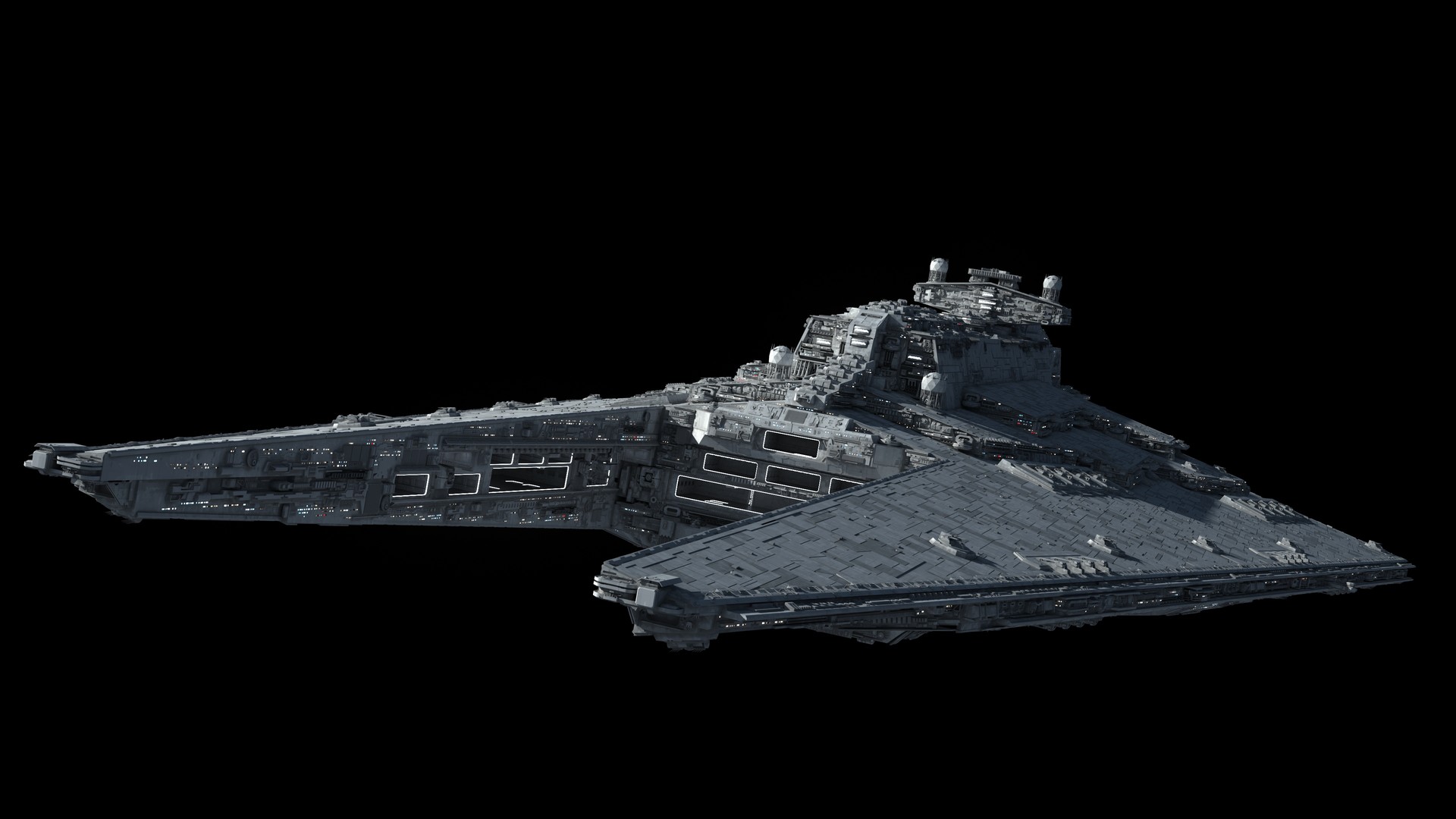
ansel-hsiao-carrier29.jpg
OUT OF CHARACTER INFORMATION
PRODUCTION INFORMATION
TECHNICAL SPECIFICATIONS
  • Classification: Fleet Carrier
  • Length: 1823 m
  • Width: 689 m
  • Height: 412 m
  • Armament: High
    • 20x double-barrel turbolaser batteries
    • 8x heavy ion cannon batteries
    • 32x triple-barrel heavy laser cannons
    • 32x light ion cannon batteries
  • Defenses: High
  • Hangar Space: Extreme (18 squadrons)
  • Hangar Allocations:
    • Fleet Combat
      • Starfighters: 14 squadrons
      • Support Craft: 4 squadrons
    • Ground Deployment
      • Starfighters: 6 squadrons
      • Support Craft: 12 squadrons
  • Maneuverability Rating: Average
  • Speed Rating: High
  • Hyperdrive: Class 1.0
STANDARD FEATURES
  • LOWER DECK (Floors 1-30)
    • 6x Storage bays
    • 10x Medical bays
    • Crew Quarters
    • Ammunition Storage
    • 4x Grav-ball courts
    • Hangars A-I
    • 9x crew mess halls
      • 6x Emperor’s Burgers
      • 3x Pizza Hutts
    • Armory
    • 6x Gyms
    • 6x Barber shops
    • 4x Dentistry offices
    • 8x Post offices
    • Primary Fusion Reactor
    • Engine Room
  • MIDDLE DECK (Floors 30-50)
    • Secondary Command Deck (Starfighter Operations)
    • Crew + NCO Quarters
    • 4x Viewscreen theaters
    • 4x Gyms
    • 8x Medical bays
    • 2x Storage bays
    • Hangars J-R
    • 5x crew mess halls
      • 3x Emperor’s Burgers
      • 2x TurboGreens
  • UPPER DECK (Floors 50-76)
    • Primary Command Deck (Onboard Operations)
    • Hangar S (High Priority)
    • Storage Bay
    • 4x Medical bays
    • 2x Barber shops
    • Captain’s Quarters
    • Officer Quarters
    • 3x officer-oriented restaurants
      • Imperial Capital Grille
      • Ninety-Nine Stormtroopers
      • *Daragon Trail
    • Communications/Encryption Room
*1 Imperial Culinary Star
ADVANCED SYSTEMS
STRENGTHS
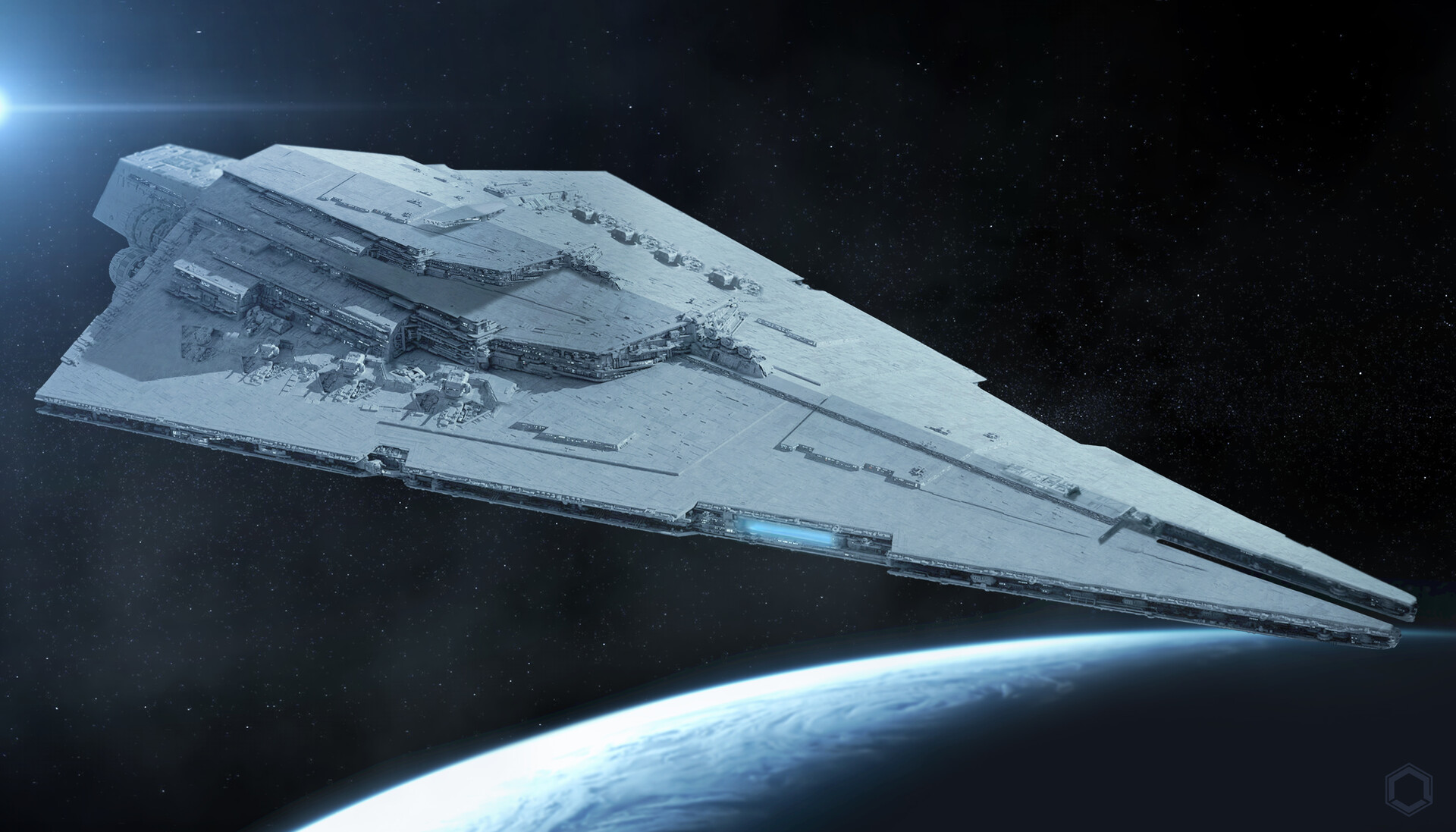
  • Supercarrier: Each Cato-class fleet carrier can hold enough an enormous quantity of starfighters, enabling them to singlehandedly provide starfighter coverage to entire fleets.
  • Invasion Platform: A Cato-class fleet carrier in a ground deployment configuration can deploy 30,000 troops onto a planet’s surface from orbit in under an hour.
  • Battlecarrier: Despite its primary function being that of a fleet carrier, the Cato-class is heavily armed and armored, making it capable of safely annihilating smaller capital ships and even smaller Star Destroyers from afar without risking starfighter wings.
  • The Classic Imperial Wedge: Like many other classic Imperial capital ships, the Cato-class fleet carrier has a wedge-shaped hull that allows it to concentrate its entire firepower on targets directly in front of it, with devastating results.
  • Air Controller: A sophisticated comms array enables officers onboard a Cato-class fleet carrier to command large groups of starfighters, troop transports, and small capital ships from within the secondary bridge.
WEAKNESSES
  • The Classic Imperial Wedge: Like many other classic Imperial capital ships, the armaments of the Cato-class carriers are optimized for forward firing, restricting its firepower when engaging foes from the side and leaving it especially vulnerable when attacked from behind.
  • Aim for the Bridge: Both Cato-class carriers have a large, prominent bridge that is vulnerable to targeted fire once the ship’s shields are destroyed. Furthermore, neither of the carrier’s bridges are replaceable: destroying the primary bridge effectively disables the ship while destroying the secondary bridge removes its ability to command starfighter wings, forcing them to rely on their own navigational tools and comms.
DESCRIPTION

The Cato-class fleet carrier is a product of the interregnum between the New Imperial Order and the Diarchy.
Following the collapse of the New Imperial Order, surviving Imperial warlords were left without the seemingly inexhaustible fleets of Star Destroyers that had formed the mainstay of the former Imperial Navy. At the same time, the Galactic Alliance had proven in its seemingly endless war with the NIO that starfighter wings with minimal support could destroy even the largest of dreadnoughts. As a result, most Imperial warlords kept their remaining Star Destroyers close to their centers of power, careful not to risk them in major operations abroad.

In one of the former Imperial warlord states, a diarchy led by Colonel-Baron FN-999 and Moff Calkon-Quentis on Borosk, a solution was sought to this naval dilemma. Left with only the limited shipbuilding capacity provided by the then-new Borosk Imperial Shipyards, it would be impossible for the system’s government to salvage or replace any lost Star Destroyers in an economical manner. At the same time, Task Force Citadel, the defense fleet responsible for the Borosk system, lacked the strength to defeat the holdouts of Imperial warlords holding planets with a greater industrial capacity.

Anxious to prevent a perpetual standoff, which would inevitably be exploited by outside forces, FN-999 authorized the creation of a new, large fleet carrier to tilt the balance of post-Imperial space in his favor using the very weapon that had proven lethal against Star Destroyers for centuries: massed starfighters.

From the early stages of construction, the Cato-class project was controversial. A significant minority of naval staff within the Borosk Imperial remnant sought to prioritize expanding Borosk’s fleet of Vanto-class escort carriers rather than wasting resources developing a very large, costly, vulnerable, and unproven Imperial fleet carrier. Additionally, Borosk Shipyards lacked the facilities to construct an entire Star Destroyer class craft within, requiring the carrier to be built in five different airtight segments later attached to each other using tug craft in orbit.

On the other hand, the advocates of the Cato-class fleet carrier, including several senior ex-New Imperial naval commanders and FN-999 himself, emphasized not only its ability to carry extremely large starfighter complements over large distances but the psychological impact that even a single large carrier would have on Borosk’s rivals. It was reasoned that when faced with the prospect of facing a fleet centered around an indigenously produced, Star Destroyer sized capital ship capable of inexpensively destroying other ships of its size from afar, most Imperial warlords would simply submit to a reconstituted Empire based out of Borosk rather than risk the total annihilation of their naval forces.

Ultimately, a partial compromise was reached. While the construction of a very large fleet carrier was approved over the production of many smaller escort carriers, the new warship would also be designed with sturdy armor and a sizable armament to increase its survivability in direct combat with other vessels.

Construction on the first vessel, the then-unnamed INV Cato, began in late 886 ABY under conditions of immense secrecy. Due to the comparatively small size of Borosk Imperial Shipyards, high import costs, and the lengths undertaken to conceal the project from outside forces, the vessel took fifteen years to complete.

Further complicating the construction process was the Dark Empire’s 900 ABY invasion of Borosk. Hopelessly outnumbered and seeking to prevent the approximately 95% complete Cato from falling into Dark Imperial hands, the prototype vessel was sent into hyperspace to an undisclosed location, suffering damage to its hull as a result. Only once the Dark Empire collapsed in the Tingel Arm was Cato returned to Borosk under the supervision of the now-privatized Alge Imperial Shipyards, which proceeded to complete the vessel just before the far more peaceful Diarchy takeover of the system.

With a stable Imperial presence in and around the Borosk system for the first time in twenty-five years, shipping costs declined dramatically and the raw materials flowed into Borosk from across Diarchy space, making feasible the construction of a second vessel, the Pompey in only two years as opposed to the fifteen needed to build Cato in much more dire circumstances.
 
Last edited:
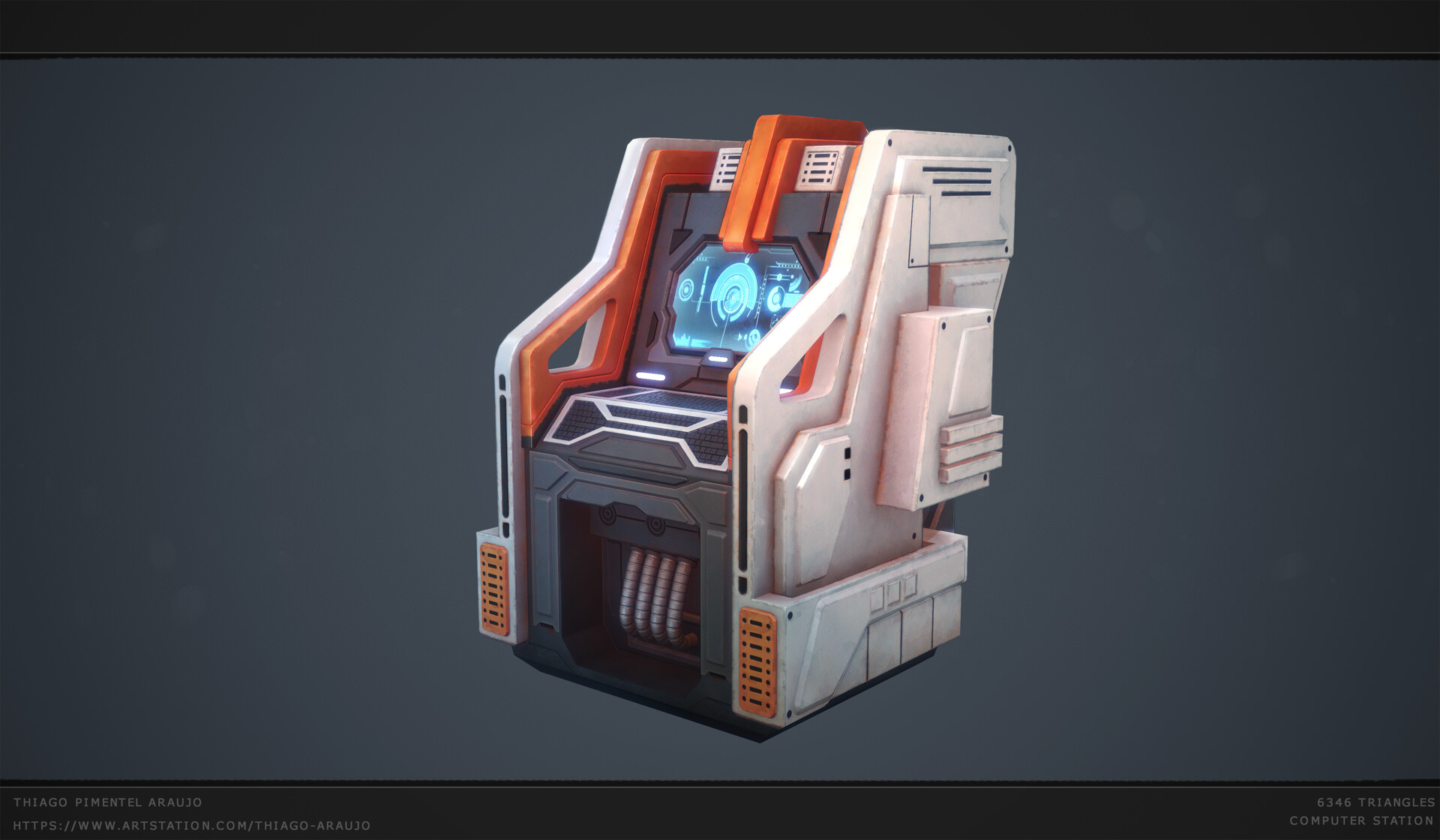
thiago-araujo-shot00.jpg

OUT OF CHARACTER INFORMATION
PRODUCTION INFORMATION
SPECIAL FEATURES
  • Encryption Software: When plugged into a ship’s communications hardware, the D-08 encryption computer automatically uploads encryption software into the vessel. Once the software is uploaded, operators can choose between a number of common secure encryption methods or upload a custom encryption by inserting a chip into side of the D-08 computer. After an encryption method is selected, it is automatically applied to all comms signals originating from the vessel or vehicle.
  • Emergency Button: In the situation of a broken cipher with no remaining backups or an energy overload, a circular emergency button on the side of the D-08 can be pressed twice in quick succession to deactivate the computer, requiring a full reboot to restore functions.
STRENGTHS
  • Secret-Keeper: The D-08 encryption computer is equipped with encryption capabilities that render a ship’s comms unintelligible to anyone without advanced coding knowledge or an equally powerful decryption machine.
  • Plan B: If an officer suspects that a D-08 encryption computer’s code has been decrypted, it is possible to change to a different encryption code by swapping to another preset on the computer interface or manually downloading a different encryption.
WEAKNESSES
  • Energy Hog: The D-08 encryption computer requires a dedicated power cell and coolant to utilize, preventing its use on small vehicles and the majority of starfighters.
  • It Goes Both Ways: Messages sent from a vehicle or ship with an onboard D-08 encryption computer can only be received in their original form by other vehicles with a D-08 encryption computer or an equivalent encryption device.
  • EMP Vulnerable: All of the electronic components that make up the D-08 encryption computer are protected by at most a very thin layer of rubber, rendering them defenseless against military-grade EMP or ion weapons.
DESCRIPTION

The AISI D-08 is a military grade encryption computer designed for command vessels and their fleets.
While resembling a standard computer in appearance, the D-08 is specialized to send and receive encrypted signals in situations where messages must be delivered with utmost security. Its default encryption presets are cryptographic hash functions, RSA cryptosystem, or a digital signature algorithm. However, custom encryptions can be downloaded onto the D-08 by inserting a datapad or chip containing the encryption into a socket on the side of the computer portion of the D-08.

Due to the confidential nature of certain encryption codes as well as its near-ubiquitous use in larger AISI warships, the sale of the D-08 is tightly restricted.

 
Last edited:

OUT OF CHARACTER INFORMATION
  • Intent: (Example: 'A personal weapon for Darth Scabious' or 'an advanced armored personnel carrier for the Republic')
  • Image Source: (Please link to where you found the image, or to the original artist if possible. TinEye or Google Image Search can help.)
  • Canon Link: (Please link the canon link if applicable canon item.)
  • Permissions: (Please link any Marketplace purchase approvals or other permissions to use other Writer's submissions as part of the submission)
  • Primary Source: (Please link and cite the sources which you are modifying for your use in your submission.)
PRODUCTION INFORMATION
  • Manufacturer: Alge Imperial Shipyards Incorporated
  • Affiliation: Alge Imperial Shipyards Incorporated
  • Market Status: (Closed-Market (Any character can use this if they have explicit permission through, for example, a marketplace purchase), Open-Market (May be used by any character without permission from the Manufacturer))
  • Model: (Example: E-11 Blaster Rifle. For submissions where a model wouldn't be appropriate, such as a custom walking stick, put 'N/A' for 'Not Applicable'.)
  • Modularity: (Can components of this submission be swapped out for other components? Is it especially easy to modify? For most submissions, put 'No'.)
  • Production: The scale is Unique (Only One Character), Semi-Unique (A single small unit, squad, or squadron), Limited (Only one small group of characters. IE: A Single Minor Faction, Company, or Group within a faction.), Minor (Large groups of characters. (IE: A Single Major Faction, a few companies, or groups.), Mass-Produced. (Anyone.) Characters refer to NPCs & PCs.)
  • Material: (What is it made out of? Certain materials are more resistant, or vulnerable to certain weapons. Example: 'Durasteel, blaster components.' If this submission uses materials not found on wookieepedia, please link. You may also be asked to link materials that are obscure or difficult to find, e.g. exist as a byline in wikia entry. )
SPECIAL FEATURES
  • (Detail briefly in a list format actual contents of the known abilities, special features, qualities of note, etc. If these are notable enough to be strengths, please add them to strengths)
STRENGTHS
  • (Provide, in list format, a minimum of 1 strength of this submission.)
WEAKNESSES
  • (Provide, in list format, a minimum of 1 weaknesses of this submission.)
DESCRIPTION
(Describe some of the histories behind the submission. Give us some idea of how it might perform its function, what it excels against and what some limitations of it are. This is where you talk about your idea, flesh it out over at least a good-sized paragraph, and address some of the ways it might be used or abused. For especially powerful or ambitious submissions, a very thorough description is recommended.)
 
Last edited:

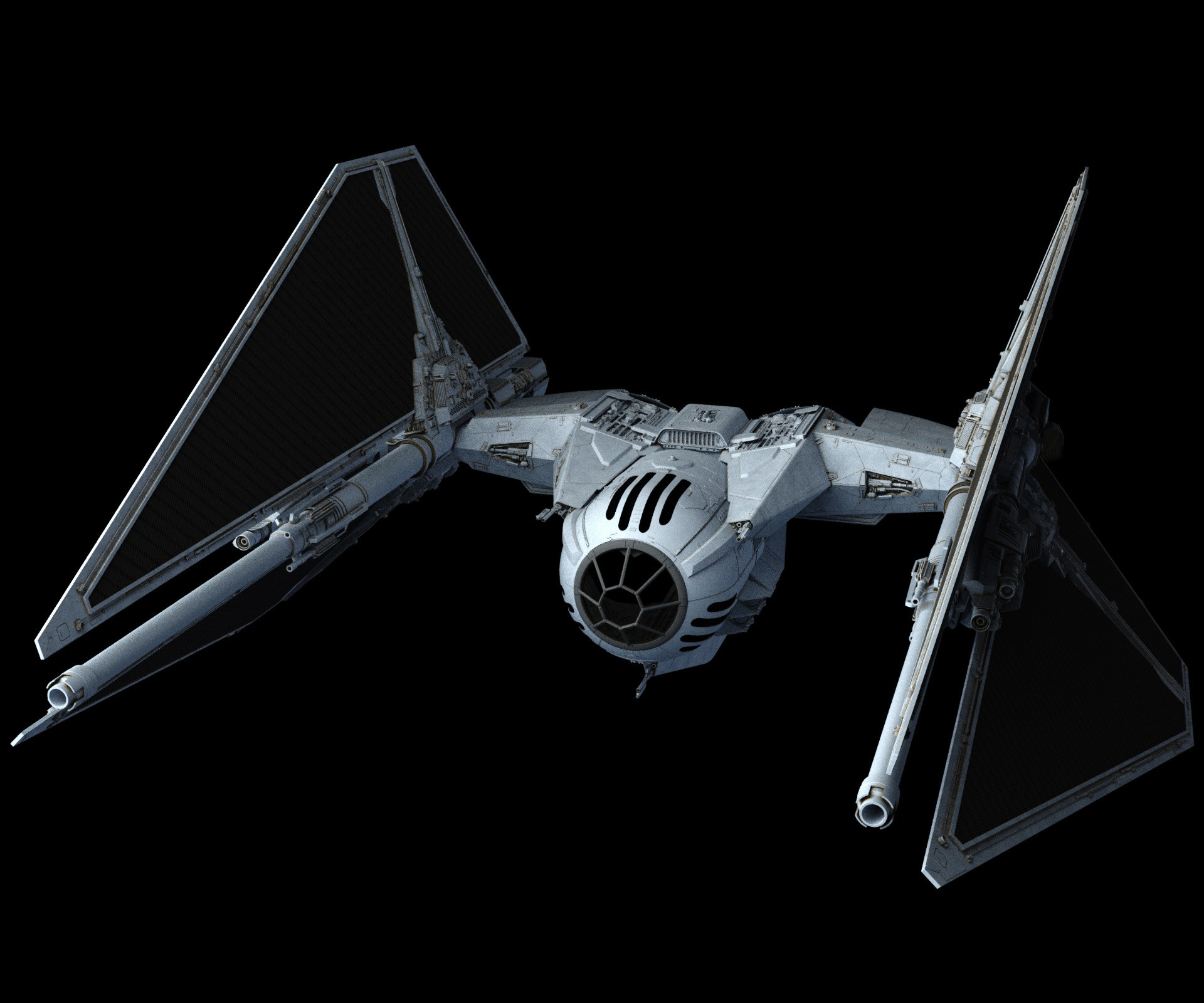
ansel-hsiao-ytie18.jpg
OUT OF CHARACTER INFORMATION
PRODUCTION INFORMATION
TECHNICAL SPECIFICATIONS
  • Classification: Elite Air/Space Superiority Starfighter
  • Length: 14.2 meters
  • Width: 10.5 meters
  • Height: 6.5 meters
  • Armament: High
  • Defenses: High
  • Squadron Count: Very Low [6]
  • Maneuverability Rating: High (Engines: Thrust) | Very High (Engines: Balanced) | Extreme (Engines: Maneuver)
  • Speed Rating: Very High (Engines: Thrust) | High (Engines: Balanced) | Average (Engines: Maneuver)
  • Hyperdrive: Class 1.0
STANDARD FEATURES
ADVANCED SYSTEMS
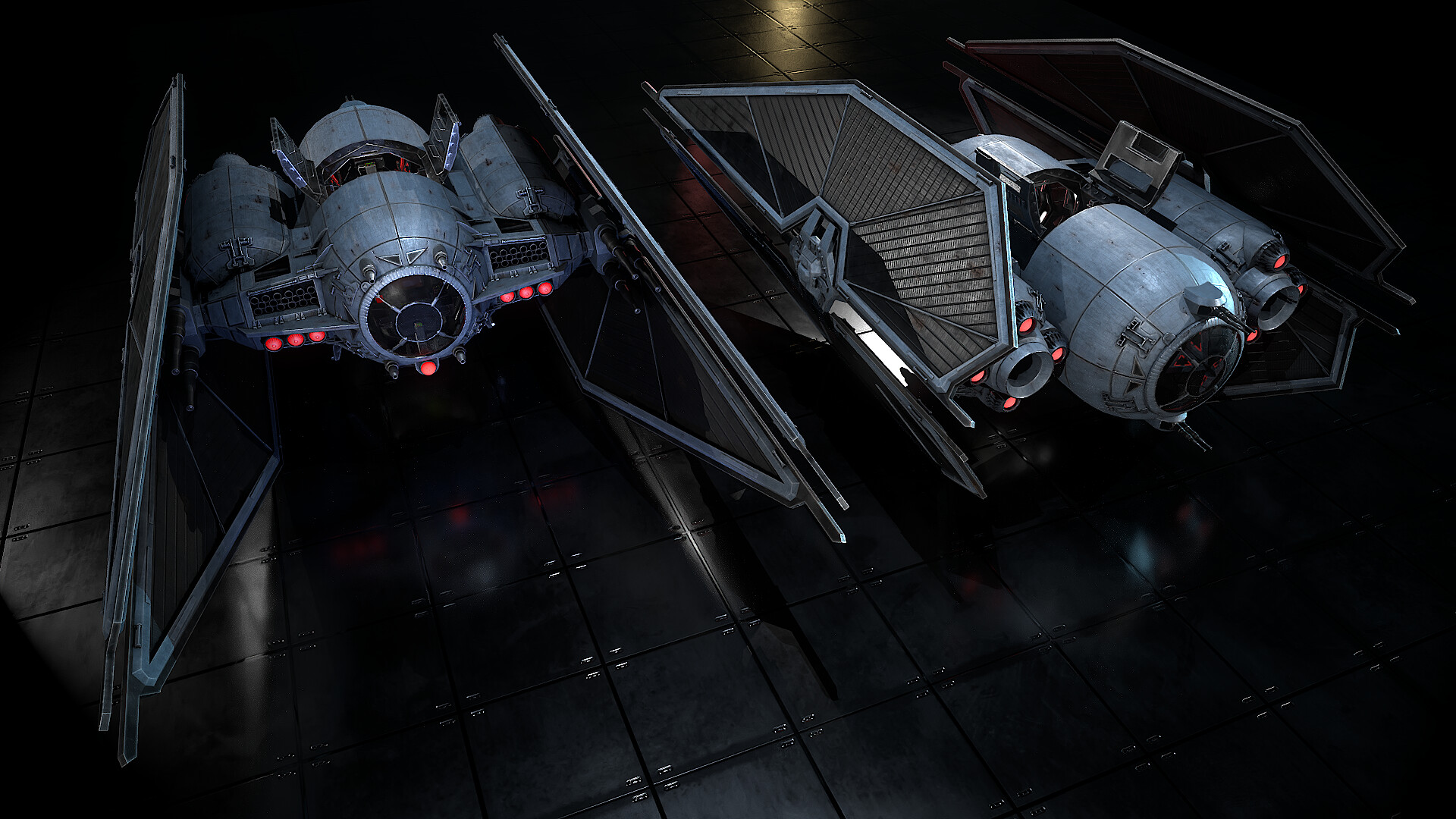
  • Sub-Engine Sequencers: The TIE Vindicator’s seven sub-engines can be selectively activated in three different configurations:
    • Thrust: All seven sub-engines are constantly active when the pilot throttles forwards
    • Balanced: Five of the seven sub-engines are active for forward movement, the other two are only used to aid in maneuvers
    • Maneuver: Three of the seven sub-engines are active for forward movement, the other four are only used to aid in maneuvers
  • IE-10 Event Horizon Ion Drives
  • Anti-Ion Emission Tracers
  • Armament Duplicators
  • M.I. Scan-Jam Package
STRENGTHS
  • Annihilator: The TIE/VI boasts a powerful mixed armament capable of ripping through most other starfighters and bombers with ease.
  • Can’t Touch This: The TIE/VI’s seven sub-engines can be manually activated or deactivated in several configurations, allowing a Vindicator’s pilot to make extremely tight or complex maneuvers with ease to quickly turn the tables in a dogfight.
  • Resillient: Unlike most TIE variants, the Vindicator has a sturdy, armored frame that can withstand a serious punishment before breaking apart.
  • Independent: In order to support the complex missions often carried out by its veteran pilots, the TIE/VI possesses a hyperdrive and a slightly larger storage chamber for rations compared to more common TIEs, allowing it to operate far from carriers.
  • Electronic Warfare: Thanks to its M.I. Scan-Jam Package, the TIE Vindicator can perform limited electronic warfare in combat by exposing stealthy starfighters or jamming their communications and targeting systems for short periods of time.
WEAKNESSES
  • What Does This Button Do Again?: The TIE/VI has a very complicated pilot interface and control surfaces that respond to even the slightest stimuli, making it challenging for even experienced starfighter pilots to master the Vindicator.
  • EMP Vulnerable: Once its shields are down, a single direct hit to the cockpit from an EMP or ion weapon is enough to disable all of the Vindicator’s electronic systems, including its weapons, engines, and life support. Furthermore, a direct ion/EMP hit to the wings, while not as devastating to the TIE/VI, can still disable all the weapons and engines on the targeted wing’s half of the starfighter.
  • Cheap Shot: The TIE Vindicator’s transparisteel viewport is much easier to break than its armored hull while also exposing the pilot to gunfire and the elements.
DESCRIPTION

The TIE/VI is undoubtedly one of the most advanced starships ever to come out of Alge Imperial.
Born of the Frontier Enforcer project, the TIE Vindicator is a dedicated space superiority craft designed to be able to defeat any opponent in a one-on-one assuming both pilots are equally skilled. To achieve its generally excellent overall parameters, several notable departures were made from the traditional doctrine of TIE construction.

Firstly, the TIE Vindicator is not a true TIE in the sense that it has twin ion engines. Instead, a supercharger fuels seven smaller ion engines distributed in pairs on the Vindicator’s rear. While able to achieve speeds similar to those of high performance twin ion engines in level flight, the difference between the traditional TIE engine layout and those of the Vindicator become abundantly clear when maneuvering. The pilot of a Vindicator can choose to disable engines in the direction that they are turning, reducing speed but dramatically increasing maneuverability. Careful activation and deactivation of engines can turn the tables in a dogfight by allowing a Vindicator to make extremely tight maneuvers that a traditional TIE would be unable to replicate.

Additionally, the TIE/VI is also equipped with heavy armor uncharacteristic of the average TIE fighter, which often relies on maneuverability and numbers more than durability. Designed with prolonged combat in mind, the Vindicator is equipped with high-quality deflector shields that can absorb several shots from a laser cannon before beginning to falter. If its shields fail, the TIE/VI is protected by a heavily armored hull made of percidium, a flexible alloy that is highly resistant to blaster fire. Only the wing solar panels and viewport are unarmored, the former of which the Vindicator can operate without for around fifteen minutes before losing power.

The TIE/VI is one of the few TIE-inspired fighters with electronic warfare capabilities, albeit more limited than a dedicated electronic warfare craft. Its M.I. Scan-Jam Package grants the pilot the ability to negate more basic stealth systems and temporarily jam the systems of pursuing starfighters, giving Vindicator pilots a brief tactical edge over their opponents.
 
Last edited:

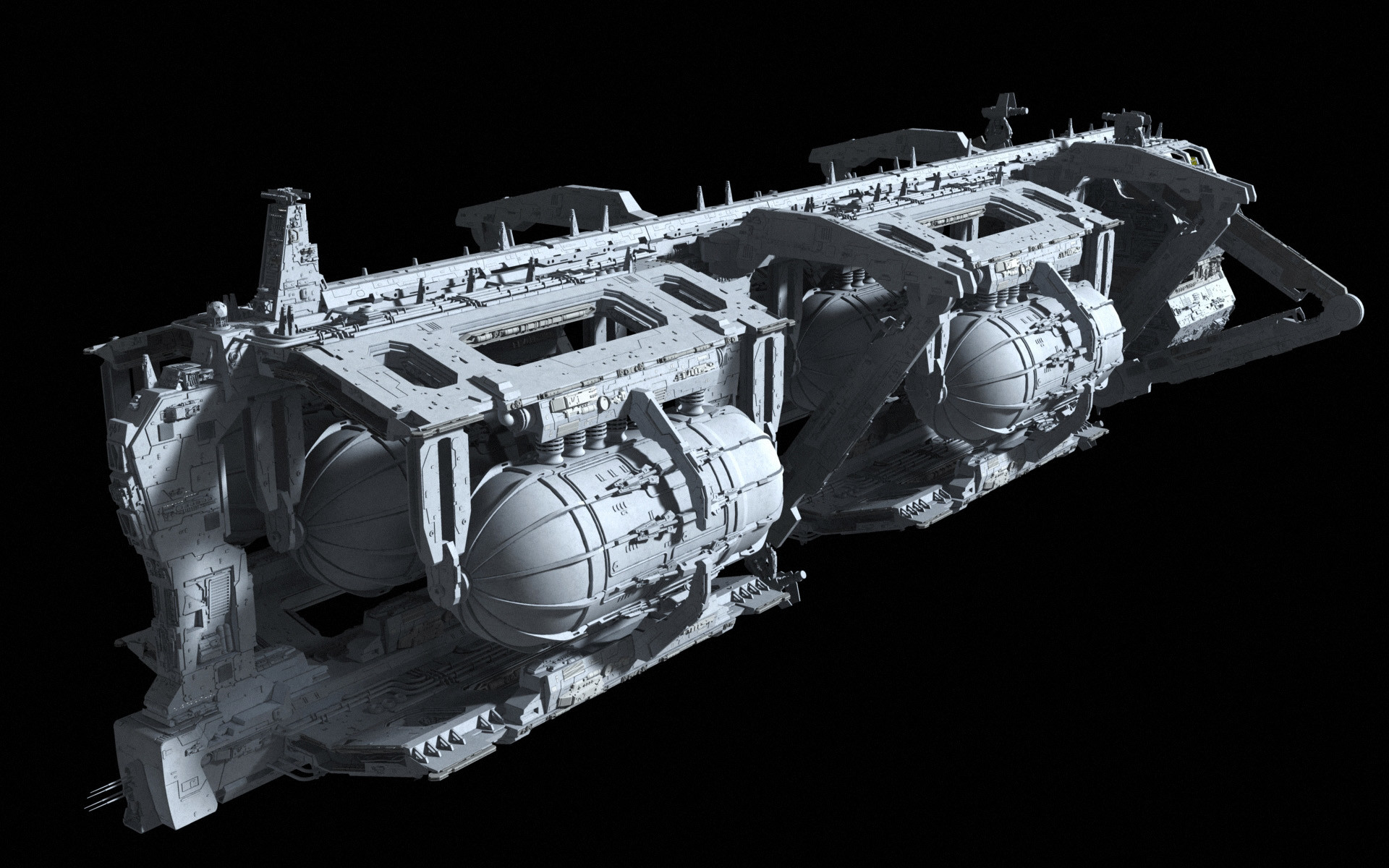
ansel-hsiao-k20.jpg
OUT OF CHARACTER INFORMATION
PRODUCTION INFORMATION
TECHNICAL SPECIFICATIONS
  • Classification: Refuel/Replenishment Frigate
  • Length: 419m
  • Width: 154m
  • Height: 151m
  • Armament: Very Low
  • Defenses: Average
  • Hangar Space: Low (2 squadrons)
  • Hangar Allocations:
    • Starfighters: 1 squadron
    • Support Craft: 1 squadron
  • Maneuverability Rating: Very High
  • Speed Rating: High
  • Hyperdrive: Class 1.0
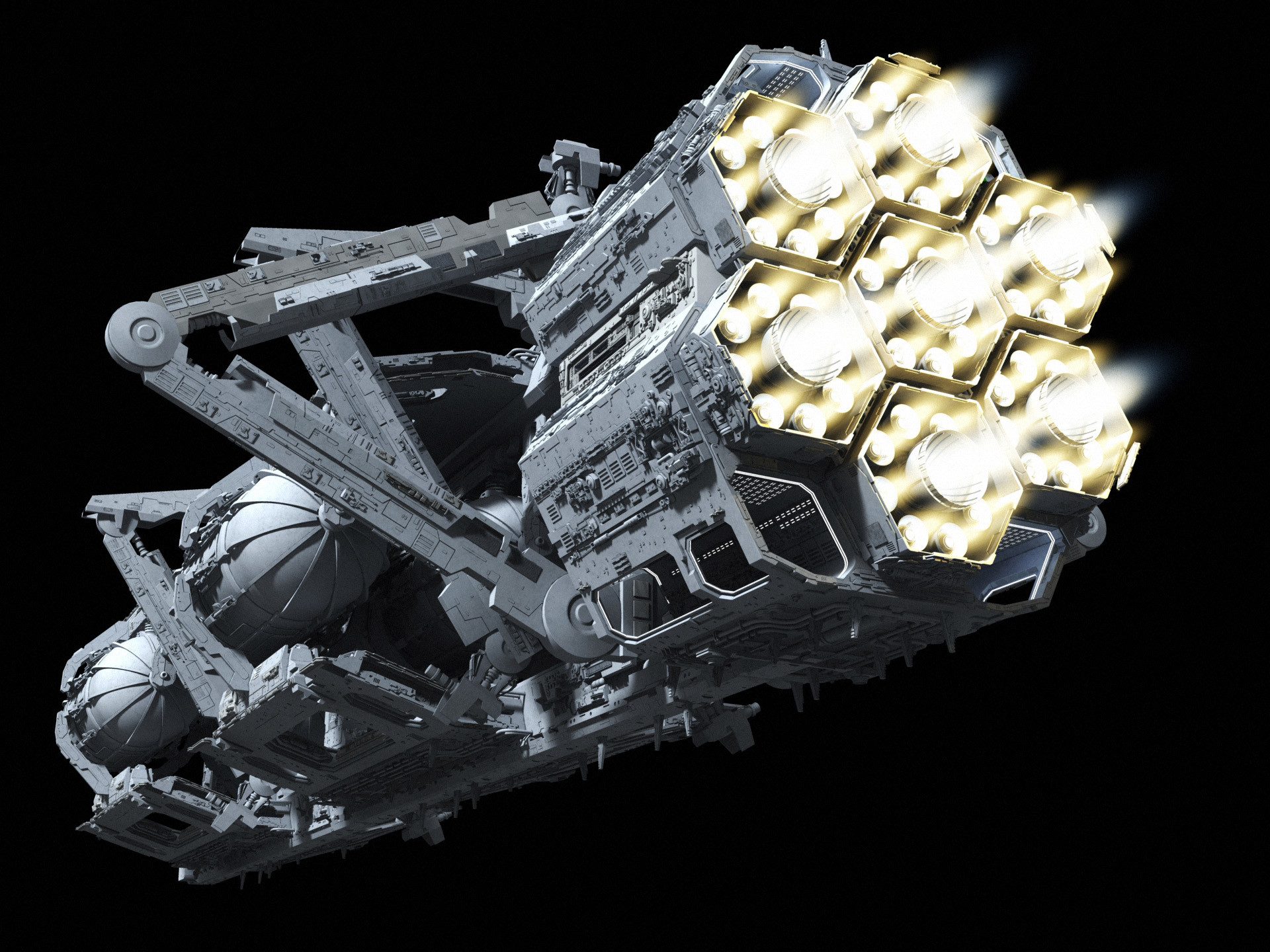
ansel-hsiao-k21.jpg
STANDARD FEATURES
  • Storage Bay
  • Medical Bay
  • Crew Quarters
  • Ammunition Storage
  • Primary Hangar
  • Crew Mess Hall
  • Armory
  • Gym
  • Barber Shop
  • Fusion Reactor
  • Engine Room
  • Command Deck
  • Captain's Quarters
  • Officer Quarters
  • Officer Mess Hall
  • Communications Room
ADVANCED SYSTEMS
  • 4x detachable Modular Storage Containers (MSC)
    • Maximum Cargo Weight per MSC: 50,000 metric tons
    • Maximum Cargo Volume per MSC: 3500 cubic meters
    • Each MSC has a pair of docking tube attachments that allow it to connect directly to other ships
    • Each MSC has three storage configurations:
      • Standard: Standard pressure storage of supply crates
      • Fuel: Pressurized storage of liquid or gas fuel
      • Sensitive: Vaccum storage of highly biohazardous/radioactive/classified material, subdivided into four equally sized rooms divided by retractable titanium panels
  • 4x refueling/resupplying arms (RRA)
    • Each refueling “arm” is capable of extending up to 75m away from the vessel. The arms are tipped in the end of a pneumatic tube that runs down the length of an arm into interior storage modules or fuel tanks. The end of the tube is shaped to fit onto the fuel doors or valves of ships between 50m and 2000m long.
  • 2x container crane arms (CCA)
    • The container crane arms of the Perseverance-class are capable of holding incredibly heavy loads, each designed to lift a fully loaded MSC in or out of planetary atmospheres. Like the refueling arms, the CCAs are 75m long, allowing for the vessel to safely replace empty MSCs or place them in the hangars of larger craft.
STRENGTHS
  • Supply Ship: A single Perseverance-class replenishment vessel can supply a small fleet for months without needing to restock.
  • Surgical Precision: Resupply and crane arms combined with engine blocks that can be individually turned on and off ensure that Perseverance-class replenishment vessels are able to make very precise maneuvers to properly resupply a fleet.
  • High-Endurance: Possessing powerful and highly fuel-efficient engines, Perseverance-class replenishment vessels are easily capable of keeping up with a mobile strike force for extended campaigns.
WEAKNESSES
  • Auxiliary: The Perseverance-class replenishment vessel is not a warship and is not meant to fight other warships. With a tiny armament and a hull that is extremely vulnerable once its shields collapse, Perseverance-class vessels are simply not designed for combat.
  • Bomb Barrels: The Modular Storage Containers on the Perseverance-class are lightly armored and, more often than not, highly explosive. A single proton torpedo or a few shots from a laser cannon are enough to rip a MSC open and ignite its supplies, creating a chain reaction large enough to destroy the entire replenishment vessel and heavily damage nearby capital ships.
DESCRIPTION

The Frontier Enforcer project would never be complete without the Perseverance-class replenishment vessel.
The Perseverance-class’ importance comes from its ability to pack significant amounts of supplies in a relatively small vessel and efficiently transfer them to dedicated warships. Consequently, Imperial fleets are able to operate far from established space stations or planetary bases at peak efficiency when supported by Perseverance replenishment vessels. The Perseverance-class is also a useful support vessel for staging invasions, where its provisions can be used to maintain blockades or supply specialized equipment to break planetary defenses.

While excelling as a support craft, the Perseverance-class is completely unremarkable alone. With a weak armament and poor physical defenses, its only safe response to attack from other capital ships is to flee using its powerful hexagonal engine blocks.
 
Last edited:
OUT OF CHARACTER INFORMATION
  • Intent: To create a powerful railgun-type weapon for Imperial service.
  • Image Source: (Please link to where you found the image, or to the original artist if possible. TinEye or Google Image Search can help.)
  • Canon Link: (Please link the canon link if applicable canon item.)
  • Permissions: (Please link any Marketplace purchase approvals or other permissions to use other Writer's submissions as part of the submission)
  • Primary Source: (Please link and cite the sources which you are modifying for your use in your submission.)
PRODUCTION INFORMATION
  • Manufacturer: Alge Imperial Shipyards Incorporated
  • Affiliation: (Individual Character Name (an individual PC/NPC who is permitted to use this item), Company Name(s) (Companies authorised to use this submission), Faction Name(s) (Factions authorised to use this submission), other potential options include a submitted NPC unit, or another general organisation/group.)
  • Market Status: (Closed-Market (Any character can use this if they have explicit permission through, for example, a marketplace purchase), Open-Market (May be used by any character without permission from the Manufacturer))
  • Model: (Example: E-11 Blaster Rifle. For submissions where a model wouldn't be appropriate, such as a custom walking stick, put 'N/A' for 'Not Applicable'.)
  • Modularity: No
  • Production: Mass-Produced
  • Material: (What is it made out of? Certain materials are more resistant, or vulnerable to certain weapons. Example: 'Durasteel, blaster components.' If this submission uses materials not found on wookieepedia, please link. You may also be asked to link materials that are obscure or difficult to find, e.g. exist as a byline in wikia entry. )
TECHNICAL SPECIFICATIONS
  • Classification: Railgun
  • Size: Extremely Large
  • Weight: Extremely Heavy
  • Ammunition Type: Railgun charges
  • Ammunition Capacity: Extremely Small (1 charge per magazine)
  • Effective Range: Extreme
  • Rate of Fire: Very Low (1 charge per minute)
  • Damage Output: Extreme
  • Recoil: High
SPECIAL FEATURES
  • (Detail briefly in a list format actual contents of the known abilities, special features, qualities of note, etc. - If these are notable enough to be strengths, please add them to strengths. )
STRENGTHS
  • (Provide, in list format, a minimum of 1 strength of this submission.)
WEAKNESSES
  • Power-Hungry: X consumes massive amounts of electricity to fire, making it incompatible with any warship class smaller than a cruiser. X One X can be equipped as the primary weapon of a cruiser, up to four X can be equipped as the primary weapon of a Star Destroyer, and many X can be equipped as secondary weapons on a battlecruiser or Super Star Destroyer. When used as a warship’s primary weapon, x’s energy demands require that the ship’s shields be disabled for the thirty second wind-up before firing.
  • Slow Loader: X can only fire once every minute - it has a thirty second cooldown followed by a thirty second windup. In terms of damage output over an extended period of time, conventional heavy turbolasers produce superior firepower.
  • Sluggish: X’s immense size and weight combined with its lack of homing capabilities make it all but impossible to hit a moving target smaller than a corvette, and even corvettes have little difficulty maneuvering out of the railgun’s line of fire if they know they are being targeted before the gun fires.
DESCRIPTION
(Describe some of the histories behind the submission. Give us some idea of how it might perform its function, what it excels against and what some limitations of it are. This is where you talk about your idea, flesh it out over at least a good-sized paragraph, and address some of the ways it might be used or abused. For especially powerful or ambitious submissions, a very thorough description is recommended.)
 
Last edited:

ansel-hsiao-frigate1.jpg
OUT OF CHARACTER INFORMATION
PRODUCTION INFORMATION
TECHNICAL SPECIFICATIONS
  • Classification: Stealth Carrier
  • Length: 418m
  • Width: 221m
  • Height: 102m
  • Armament: Very Low
    • 2x quad turret-mounted retractable laser cannons (2 lower bow)
    • 6x dual turret-mounted retractable laser cannons (6 top)
    • 6x dual turret-mounted retractable light ion cannons (2 top, 4 bottom)
  • Defenses: Average
    • 20x retractable point-defense laser cannons
    • Single-layer particle shield generator
    • Thaldonium armor plating
  • Hangar Space: Very High (5 squadrons)
  • Hangar Allocations:
    • Starfighters: 4 squadrons
    • Support Craft: 1 squadron
  • Maneuverability Rating: Average
  • Speed Rating: High
  • Hyperdrive: Class 1.0
    • Backup Hyperdrive: Class 9.0
ansel-hsiao-frigate4.jpg
STANDARD FEATURES
  • LOWER DECK
    • Storage Bay
    • Medical Bay
    • Crew Quarters
    • Ammunition Storage
    • 3x grav-ball courts
    • Primary Hangar
    • Crew Mess Hall
    • Armory
    • Gym
    • Barber Shop
    • Fusion Reactor
    • Engine Room
  • UPPER DECK
    • Command Deck
    • Captain's Quarters
    • Officer Quarters
    • Officer Mess Hall
    • Communications Room
ADVANCED SYSTEMS
  • 4x tractor beam projectors (2 lower bow, 2 lower stern)
  • Retractable armament
    • Every gun turret on the Laimar-class stealth carrier is placed on a small platform over a hollow opening inside the ship, allowing them to fully retract inside the vessel. While retracted, the guns cannot fire.
  • Comms encryption computer
  • Starfighter coordination/command radio
  • Radar-absorbent iron ball paint - painted over the entire outer hull
STRENGTHS
  • Carrier: The Laimar class is capable of holding a large complement of starfighters and support craft within its hull. Alternately, the Laimar-class can deploy moderate amounts of troop transports and armored vehicles from space onto a target.
  • Stealth Features: The Laimar-class carrier’s generally smooth, gently curved surface, retractable armament, and its coating in radar-absorbent iron ball paint gives it an inexpensive limited stealth capability, reducing its radar cross-section by as much as 40% compared to ships of a similar size.
WEAKNESSES
  • Gentle Giant: Poorly armed for a vessel of its size, the Laimar-class relies on its reduced radar profile and starfighters to avoid destruction.
  • Paper Thin Veil: Opening the hangar or firing weapons negate the Laimar-class’ lower radar detection until the hangar is closed or all weapons are retracted.
  • Aim for the Bridge: The Laimar-class’ bridge is an obvious landmark and highly vulnerable to attack if shields are down. Furthermore, destroying the bridge not only cripples the Laimar’s ability to steer but also cuts off communication to its starfighter wings, forcing them to rely on the limited range of their own radios.
DESCRIPTION
The Laimar-class stealth carrier is a light starfighter carrier with inexpensive stealth features.
Designed as the carrier arm of the Frontier Enforcer line of vessels, the Laimar-class is intended to provide starfighter support to convoys or Extoller-class frigate killers while being difficult for long-range weapons to target. While it shares a similar wedge-shaped profile to that of the larger Extoller, it exchanges a powerful armament and reinforced shields for significantly increased hangar capacity, enabling it to carry up to five wings of small craft. Laimar-class carriers are also equipped with long-range command/coordination radios enabling communication with starfighter wings hundreds of kilometers away.

The Laimar-class is considered a “stealth” carrier not due to possessing any invisibility devices or advanced camouflage, but due to several design features that lower its radar cross-section and thus lowers the range at which radars can detect it. First off, the Laimar has a fairly smooth, lightly armed frame without significant bulges, reducing radar reflection off the vessel’s surface. Radar reflection can be further reduced by retracting its turrets into its hull. Furthermore, the Laimar-class is coated in iron ball paint, which absorbs rather than reflecting a significant minority of radar pulses.
 
Last edited:

3dxin-studio-cam01.jpg

OUT OF CHARACTER INFORMATION
PRODUCTION INFORMATION
SPECIAL FEATURES
  • Stage 1: Stage 1 is the bottom stage of the missile, making up around 3/5 of its total height. It is equipped with a quartet of hypermatter-fueled booster engines, a sensory suite, a small shield generator, and a hyperdrive. It is the first stage of the LBS-TS/SW to be engaged after it is fired from a launcher. Once its sensors determine that its booster engines have moved the missile at least 1 kilometer away from any other solid objects, the hyperdrive is engaged and set on a path determined by the targeting computer in the top stage of the missile.
  • Stage 2: Stage 2 is the top stage of the LBS-TS/SW missile, consisting of a warhead, long-range targeting computer, and a single hypermatter engine. Stage 2 is engaged immediately after the missile emerges from hyperspace by disconnecting from the spent Stage 1. It then activates its engine, propelling it in a straight line towards the missile’s final target.
STRENGTHS
  • ICBM: Thanks to its hyperdrive, the LBM-TS/SW has an incredibly high range of three sectors, allowing launchers to be placed safely in friendly space before firing on hostile planets.
  • Launch Protection: While the first stage of the LBM-TS/SW is active, the entire missile is protected by a deflector shield generator that can absorb multiple shots from a laser cannon before faltering. This protection only goes away when the second stage detaches from the first after the missile arrives above the target planet.
WEAKNESSES
  • Out Of Focus: The LBM-TS/SW’s custom internal targeting system can only target objects large enough to generate a strong, continuous gravitational pull (excluding tractor beams and gravity wells): planets, moons, and extremely large (>100km) space stations.
  • Defenseless: The warhead-tipped second stage of the LBS-TM/SW has no shielding once it detaches from the first stage and very little armor. A single shot from a starfighter-mounted laser cannon is enough to destroy the missile in this vulnerable stage.
  • Windup: It takes around twelve seconds for a LBS-TM/SW to accelerate to maximum speed after emerging from hyperspace. If the target knows that a missile is coming, they can shoot it down long before it becomes fast enough to evade most gunfire.
  • Massive Missile: At over 80m in total length, the LBM-TS/SW requires a dedicated silo to operate and cannot be equipped on any capital ship smaller than a cruiser. Additionally, the missile’s large size makes it an easy target at lower speeds in its undefended second stage.
DESCRIPTION

When attempting to conquer a fortified planet, invaders of all stripes have found themselves facing a problem.
When their fleets enter the system whose planet they wish to conquer, they often have to contend with planetary shields preventing ground forces from being safely deployed on the planet from orbit. However, before the invading fleet can bombard the planetary shield, they are inevitably intercepted by a defense fleet or battle stations, delaying an actual ground deployment by hours after the initial arrival of the invasion force.

The LBM-TS/SW is a first of its kind attempt to reduce the burden of invading fleets by damaging or even destroying planetary shields well in advance of the invasion force. A very large two-stage ballistic missile with exceptional range, the missile is equipped with a Class 1 hyperdrive and an unique targeting system centered around a “gravitational scope”, allowing it to lock onto large gravitational disturbances such as those produced by planets or moons from thousands of light years away.

Each missile is equipped with a large warhead containing pure explosive baradium and has the firepower of two dozen proton torpedoes, making it a powerful weapon against planetary shields. However, for heavier shields and fortifications, the LBM-TS/SW is no substitute for traditional turbolasers and ion cannons, both of which can dish out superior sustained firepower at a reduced cost and cannot be intercepted.

Dimensions:

  • Overall Length: 80.6m
  • Overall Diameter: 4-5m
    • Stage 1/First Stage Length: 48.2m
    • Stage 1/First Stage Diameter: 5m
    • Stage 2/Second Stage Length: 32.4m
    • Stage 2/Second Stage Diameter: 4m
 
Last edited:
hexanity-star-destoryer-concept.jpg
OUT OF CHARACTER INFORMATION
  • Intent: To create a cutting-edge battlecruiser design capable of chasing down any ships of its size and smaller while outrunning larger, deadlier battleships and Star Dreadnoughts.
  • Image Source: https://www.artstation.com/artwork/vD5kAE
  • Canon Link: N/A
  • Permissions: N/A
  • Primary Source: (Please link and cite the sources which you are modifying for your use in your submission.)
PRODUCTION INFORMATION
  • Manufacturer: Alge Imperial Shipyards Incorporated
  • Affiliation: (Individual Character Name (an individual PC/NPC who is permitted to use this item), Company Name(s) (Companies authorised to use this submission), Faction Name(s) (Factions authorised to use this submission), other potential options include a submitted NPC unit, or another general organisation/group. For Affiliation limitations on who can field what, please see For more details see the Star Ship rules.)
  • Market Status: Closed-Market
  • Model: Munnilinst-class battlecruiser
  • Production: Limited
  • Material: (What is it made out of? Certain materials are more resistant, or vulnerable to certain weapons. Example: 'Durasteel, blaster components.' If this submission uses materials not found on wookieepedia, please link. You may also be asked to link materials that are obscure or difficult to find, e.g. exist as a byline in wikia entry)
TECHNICAL SPECIFICATIONS
  • Classification: Battlecruiser
  • Length: 2455 m
  • Width: 782 m (at widest)
  • Height: 346 m (at tallest)
  • Armament: Very High
    • 8x twin superheavy weapon sub
    • 40x twin heavy turbolaser cannons
    • 40x heavy ion cannons
    • 40x octuple turbolaser cannons
  • Defenses: Average
    • x
  • Hangar Space: Low (9 squadrons)
  • Hangar Allocations:
    • Starfighters: 6 squadrons
    • Support Craft: 3 squadrons
  • Maneuverability Rating: Low
  • Speed Rating: Very High
  • Hyperdrive: Class 1.0
    • Secondary Hyperdrive: Class 9.0
STANDARD FEATURES
  • (Provide all of your submission's standard features, including non-combat items, here in a list -or- alternatively simply state 'all standard features'. This includes all features that are common for vessels of this class. Please link to all Factory Submissions used. Links: Starship Weapons, Approved Technology, Shields, Engines)
ADVANCED SYSTEMS
  • (Provide all of your submission's advanced systems, including non-combat items and special weapons, here in a list. Please link to all Factory Submissions used. Stealth technology and other advanced systems may require other weaknesses or reduced ratings for balance. Ensure significant capabilities from systems are included in the Strengths and Weaknesses lists. Examples include: Stealth systems, Advanced ECM systems, Crystal gravfield traps, HIMS, Molecular shields. Links: Starship Weapons, Approved Technology, Shields, Engines)
STRENGTHS
  • Punisher: Boasting a very powerful forward armament, the Mygeeto-class battlecruiser can quickly tear through the defenses of any capital ship its size and annihilate entire fleets of smaller vessels.
  • Faster Than It Looks: The Mygeeto-class battlecruiser’s large sublight engines and light weight for a vessel of its size grants it remarkable speed, allowing it to swiftly close the distance between fleeing Star Destroyers, cruisers, and even older frigate classes.
WEAKNESSES
  • Thin Skin: In order to accommodate its huge engines and their power source while maintaining a relatively light weight, major sacrifices had to be made to the Mygeeto-class’ shields and armor. It will not hold up long against larger, heavily armored battleships and Super Star Destroyers.
DESCRIPTION
(Describe some of the history behind the submission. Please provide a detailed account or link of each special feature that is listed in this submission. Give us some idea of how it might perform its function, what it excels against and what some limitations of it are. This is where you talk about your idea, flesh it out over at least a good-sized paragraph, and address some of the ways it might be used or abused. All miscellaneous descriptive elements go here, such as Cargo Capacity, Passengers, Consumables, Crew, etc. For especially powerful or ambitious submissions, a very thorough description is recommended.)

 
Last edited:
OUT OF CHARACTER INFORMATION
  • Intent: (Example: 'To create a medical ship to support the growing crisis in the Outer Rim.')
  • Image Source: (Please link to where you found the image, or to the original artist if possible. TinEye or Google Image Search can help.)
  • Canon Link: (Please link the canon link if applicable canon item.)
  • Permissions: (Please link any Marketplace purchase approvals or other permissions to use other Writers' submissions as part of the submission)
  • Primary Source: (Please link and cite the sources which you are modifying for your use in your submission.)
PRODUCTION INFORMATION
  • Manufacturer: (Kuat Drive Yards, BlasTech Industries, [Character Name], etc. Please ensure you link these accordingly. For Manufacturing limitations on who can make what, please see For more details see the Star Ship rules)
  • Affiliation: (Individual Character Name (an individual PC/NPC who is permitted to use this item), Company Name(s) (Companies authorised to use this submission), Faction Name(s) (Factions authorised to use this submission), other potential options include a submitted NPC unit, or another general organisation/group. For Affiliation limitations on who can field what, please see For more details see the Star Ship rules.)
  • Market Status: (Closed-Market (Any character can use this if they have explicit permission through, for example, a marketplace purchase), Open-Market (May be used by any character without permission from the Manufacturer))
  • Model: (Example: TIE (Twin Ion Engine). For submissions where a model wouldn't be appropriate, such as a custom walking stick, put 'N/A' for 'Not Applicable'.)
  • Production: The scale is Unique (Only One Character), Semi-Unique (A single small unit, squad, or squadron), Limited (Only one small group of characters. IE: A Single Minor Faction, Company, or Group within a faction.), Minor (Large groups of characters. (IE: A Single Major Faction, a few companies, or groups.), Mass-Produced. (Anyone.) Characters refer to NPCs & PCs.)
  • Material: (What is it made out of? Certain materials are more resistant, or vulnerable to certain weapons. Example: 'Durasteel, blaster components.' If this submission uses materials not found on wookieepedia, please link. You may also be asked to link materials that are obscure or difficult to find, e.g. exist as a byline in wikia entry)
TECHNICAL SPECIFICATIONS
  • Classification: (Cruiser, Assault, Anti-Starfighter, Escort, Exploration, Heavy Cruiser, Medical, Patrol, Transport)
  • Length: (Via Metric System. Max: 1,000 meters. Examples: MC40a Cruiser: 500 meters, Dreadnought-class Heavy Cruiser: 600 meters, Victory-class Star Destroyer: 900 meters)
  • Width: (Via Metric System. Max: 1,000 meters. Examples: MC40a Cruiser: 200 meters, Dreadnought-class Heavy Cruiser: 116.5 meters, Victory-class Star Destroyer: 450 meters)
  • Height: (Via Metric System. Max: 1,000 meters. Examples: MC40a Cruiser: 130 meters, Dreadnought-class Heavy Cruiser: 250 meters, Victory-class Star Destroyer: 270 meters)
  • Armament: (You may provide your armament in list format and must provide your vessel an Armament Rating. (Choose from: None, Very Low, Low, Average, High, Very High, Extreme. Armament Ratings are scaled in relation to the class of ship, meaning a Starfighter will not equate to a Destroyer.Armament Ratings provide only basic weaponry (ex. turbolasers, ion cannons, concussion missiles. laser cannons, etc) unless the ship also has a description of weapons. Please link to all Factory subs used. Links: Starship Weapons, Approved Technology)
  • Defenses: (You may provide your shield and armor systems in list format and must provide your vessel a Defense Rating. (Choose from: None, Very Low, Low, Average, High, Very High, Extreme. Where None is a man in a space suit hanging on to an engine, Average is typical defense, and Extreme is heaviest defense with heavy armor plating and multiple layers of powerful shields. Defensive Ratings are scaled in relation to the type of ship, meaning a Starfighter will not equate to a Destroyer. You should list particular systems under advanced systems. Please link to all Factory Submissions used. Links: Approved Technology)
  • Hangar Space: (Please provide the amount of fighters/support craft this submission can hold in it's hangar by count of Squadrons, which hold 12 average Starfighters. The higher your squadron count, the lower your Armament and number of advanced systems should be. )
500m [Base: 0 | Very Low: 1 | Low: 2 | Average: 3 | High: 4 | Very High: 5 | Extreme: 6 ]
750m [Base: 1 | Very Low: 2 | Low: 3 | Average: 4 | High: 5 | Very High: 7 | Extreme: 9 ]
1000m [Base: 1 | Very Low: 3 | Low: 4 | Average: 5 | High: 7 | Very High: 9 | Extreme: 11 ]
  • Hangar Allocations: (This is the allocated amounts of starfighters and support craft (dropships, shuttles,gunships,etc) this submission can hold in its hangar based on the maximum hangar space capacity listed above)
    • Starfighters: x squadrons
    • Support Craft: x squadrons
  • Maneuverability Rating: (Choose from: None, Very Low, Low, Average, High, Very High, Extreme. How agile is your ship? Can it take tight turns? This is relative to the size of the vessel (e.g. a Corvette with Low Maneuverability will be more agile than a Star Destroyer with a Low rating.
  • Speed Rating: (Choose from: None, Very Low, Low, Average, High, Very High, Extreme. How fast is your ship in normal space? How fast can it take off, how fast can it speed through a planet's atmosphere? This is relative to the size of the vessel (e.g. a Corvette with Low Speed will be quicker than a Star Destroyer with a Low Speed.)
  • Hyperdrive: (Does this ship have a hyperdrive? If this ship has a hyperdrive how fast is it? The lower the number, the faster the ship is, you may choose decimals. Any speed below 1.0 requires the hyperdrive to be added to the ship's strengths and accordingly balanced with weaknesses. Links: Hyperdrive, Hyperdrive Comparisons)
STANDARD FEATURES
  • (Provide all of your submission's standard features, including non-combat items, here in a list -or- alternatively simply state 'all standard features'. This includes all features that are common for vessels of this class. Please link to all Factory Submissions used. Links: Starship Weapons, Approved Technology, Shields, Engines)
ADVANCED SYSTEMS
  • (Provide all of your submission's advanced systems, including non-combat items and special weapons, here in a list. Please link to all Factory Submissions used. Stealth technology and other advanced systems may require other weaknesses or reduced ratings for balance. Ensure significant capabilities from systems are included in the Strengths and Weaknesses lists. Examples include: Stealth systems, Advanced ECM systems, Crystal gravfield traps, HIMS, Molecular shields. Links: Starship Weapons, Approved Technology, Shields, Engines)
STRENGTHS
  • (Provide, in list format, a minimum of 1 strength of this submission.)
WEAKNESSES
  • (Provide, in list format, a minimum of 1 weaknesses of this submission.)
DESCRIPTION
(Describe some of the history behind the submission. Please provide a detailed account or link of each special feature that is listed in this submission. Give us some idea of how it might perform its function, what it excels against and what some limitations of it are. This is where you talk about your idea, flesh it out over at least a good-sized paragraph, and address some of the ways it might be used or abused. All miscellaneous descriptive elements go here, such as Cargo Capacity, Passengers, Consumables, Crew, etc. For especially powerful or ambitious submissions, a very thorough description is recommended.)
 
indefatigable_class_star_dreadnought_by_shadowrangers_depl1md-pre.jpg
OUT OF CHARACTER INFORMATION
  • Intent: To reimagine a reimagined command ship and fleet carrier.
  • Image Source: https://www.deviantart.com/shadowrangers/art/Indefatigable-class-Star-Dreadnought-889498741
  • Canon Link: (Please link the canon link if applicable canon item.)
  • Permissions: (Please link any Marketplace purchase approvals or other permissions to use other Writers' submissions as part of the submission)
  • Primary Source: (Please link and cite the sources which you are modifying for your use in your submission.)
PRODUCTION INFORMATION
  • Manufacturer: Alge Imperial Shipyards Incorporated, technical assistance from x, facilities from y
  • Affiliation: (Individual Character Name (an individual PC/NPC who is permitted to use this item), Company Name(s) (Companies authorised to use this submission), Faction Name(s) (Factions authorised to use this submission), other potential options include a submitted NPC unit, or another general organisation/group. For Affiliation limitations on who can field what, please see For more details see the Star Ship rules.)
  • Market Status: (Closed-Market (Any character can use this if they have explicit permission through, for example, a marketplace purchase), Open-Market (May be used by any character without permission from the Manufacturer))
  • Model: Ravelin-class large fleet carrier
  • Production: Unique
  • Material: (What is it made out of? Certain materials are more resistant, or vulnerable to certain weapons. Example: 'Durasteel, blaster components.' If this submission uses materials not found on wookieepedia, please link. You may also be asked to link materials that are obscure or difficult to find, e.g. exist as a byline in wikia entry)
TECHNICAL SPECIFICATIONS
  • Classification: Battlecarrier/Command Ship
  • Length: 5000 m
  • Width: 1021 m
  • Height: 312 m
  • Armament: Average
    • x
  • Defenses: Very High
    • x
  • Hangar Space: Extreme (50 squadrons)
  • Hangar Allocations: (This is the allocated amounts of starfighters and support craft (dropships, shuttles,gunships,etc) this submission can hold in its hangar based on the maximum hangar space capacity listed above)
    • Starfighters: x squadrons
    • Support Craft: x squadrons
  • Maneuverability Rating: Low
  • Speed Rating: High
  • Hyperdrive: Class 1.0
    • Backup Hyperdrive: Class 9.0
STANDARD FEATURES
  • (Provide all of your submission's standard features, including non-combat items, here in a list -or- alternatively simply state 'all standard features'. This includes all features that are common for vessels of this class. Please link to all Factory Submissions used. Links: Starship Weapons, Approved Technology, Shields, Engines)
ADVANCED SYSTEMS
  • (Provide all of your submission's advanced systems, including non-combat items and special weapons, here in a list. Please link to all Factory Submissions used. Stealth technology and other advanced systems may require other weaknesses or reduced ratings for balance. Ensure significant capabilities from systems are included in the Strengths and Weaknesses lists. Examples include: Stealth systems, Advanced ECM systems, Crystal gravfield traps, HIMS, Molecular shields. Links: Starship Weapons, Approved Technology, Shields, Engines)
STRENGTHS
  • (Provide, in list format, a minimum of 1 strength of this submission.)
WEAKNESSES
  • (Provide, in list format, a minimum of 1 weaknesses of this submission.)
DESCRIPTION
(Describe some of the history behind the submission. Please provide a detailed account or link of each special feature that is listed in this submission. Give us some idea of how it might perform its function, what it excels against and what some limitations of it are. This is where you talk about your idea, flesh it out over at least a good-sized paragraph, and address some of the ways it might be used or abused. All miscellaneous descriptive elements go here, such as Cargo Capacity, Passengers, Consumables, Crew, etc. For especially powerful or ambitious submissions, a very thorough description is recommended.)
 
Last edited:

hisae-jo-watanabe-lone-echo-portfolio-sensor-array-a.jpg

OUT OF CHARACTER INFORMATION
PRODUCTION INFORMATION
SPECIAL FEATURES
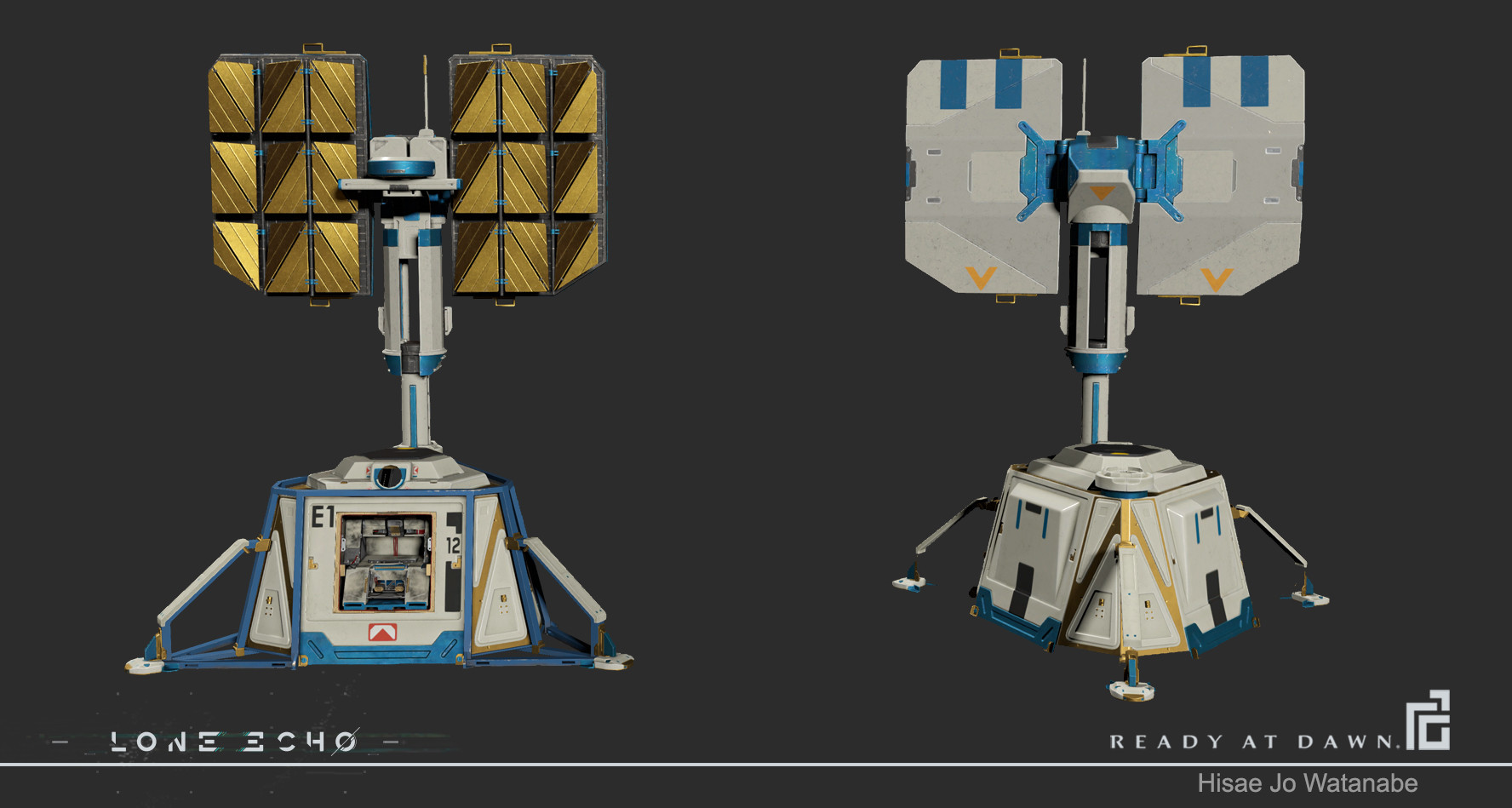
  • Five-Sensor Sequence: The RSM-5 is equipped with five types of object detection and identification systems - radar, life-form scanners, thermal imagers, ultrasonic scanners, and radiation sensors. Each can be activated separately from the others or all five can be activated at once for an extremely thorough scan.
  • Dual Panels: The five-sensor sequence is emitted through a pair of titanium panels, each of which contain have nine reflective flaps that can be opened or closed to change the width and focus of the area being scanned by the five sensors. Additionally, the dual panels themselves can spin a full 360 degrees for larger, broader adjustments.
    • Broad Scan: The reflective flaps on each panel are all opened to their fullest extent, allowing for a full 180 degree scan in a ten kilometer radius around the RSM-5: an increased scan radius at the cost of scan distance.
    • Narrow Scan: The reflective flaps on each panel automatically shift to concentrate on a single object or closely gathered group of objects, allowing for a scan range of up to 1000 km at the cost of a significantly reduced scan radius.
  • Console Link: When installed in a ship, the RSM-5 can be connected either via wires or wirelessly to a ship’s console, giving pilots and crew a live feed of scan results as well as access to the scanner’s index of ships and spacefaring organisms.
STRENGTHS
  • Advanced Recon: The main and most obvious perk of the RSM-5 Mounter Scanner System is that it allows ships become effective reconnaissance craft that can report back threats with great detail from a safe distance.
  • Pokédex: The RSM-5 has stored within its databank a physical profile of every publicly known starship in the galaxy as well as biological details of spaceborne creatures such as and mynocks and purrgils.
WEAKNESSES
  • Energy Hog: The RSM-5 consumes a large amount of energy, necessitating moderate sacrifices to weapons, shields, or engine power for any ship smaller than a frigate that equips it.
  • Fine-Tuned: Long-distance scanning requires the utmost precision, and even slight damage to the RSM-5’s panels or reflective flaps can dramatically reduce its scanning range.
DESCRIPTION

The AISI RSM-5 is a modern, military-grade scanner system consisting of five different sensor types.
Recognizing that their main institutional customers, the Imperial Confederation and the Diarchy, lacked significant investments in reconnaissance technology, the executives of Alge Imperial Shipyards decided to develop such technology in anticipation of future demand. AISI’s R&D department took only a few weeks to perfect existing sensor and radar technology by combining it in a single concentrated suite, greatly improving efficiency while minimizing excessive energy demand.

In its intended role, the RSM-5 functions as the primary sensor suite for small reconnaissance or patrol craft.

 
Last edited:

steven-ta-tbrender-viewport-011.jpg

OUT OF CHARACTER INFORMATION
PRODUCTION INFORMATION
TECHNICAL SPECIFICATIONS
  • Classification: Reconnaissance Craft
  • Length: 20 m
  • Width: 25.5 m (wings unfolded) / 9.5 m (wings folded)
  • Height: 14.5 m
  • Armament: Average
  • Defenses: High
  • Squadron Count: Very Low [6]
  • Maneuverability Rating: Low
  • Speed Rating: High
  • Hyperdrive: Class 1.0
STANDARD FEATURES
ADVANCED SYSTEMS
STRENGTHS
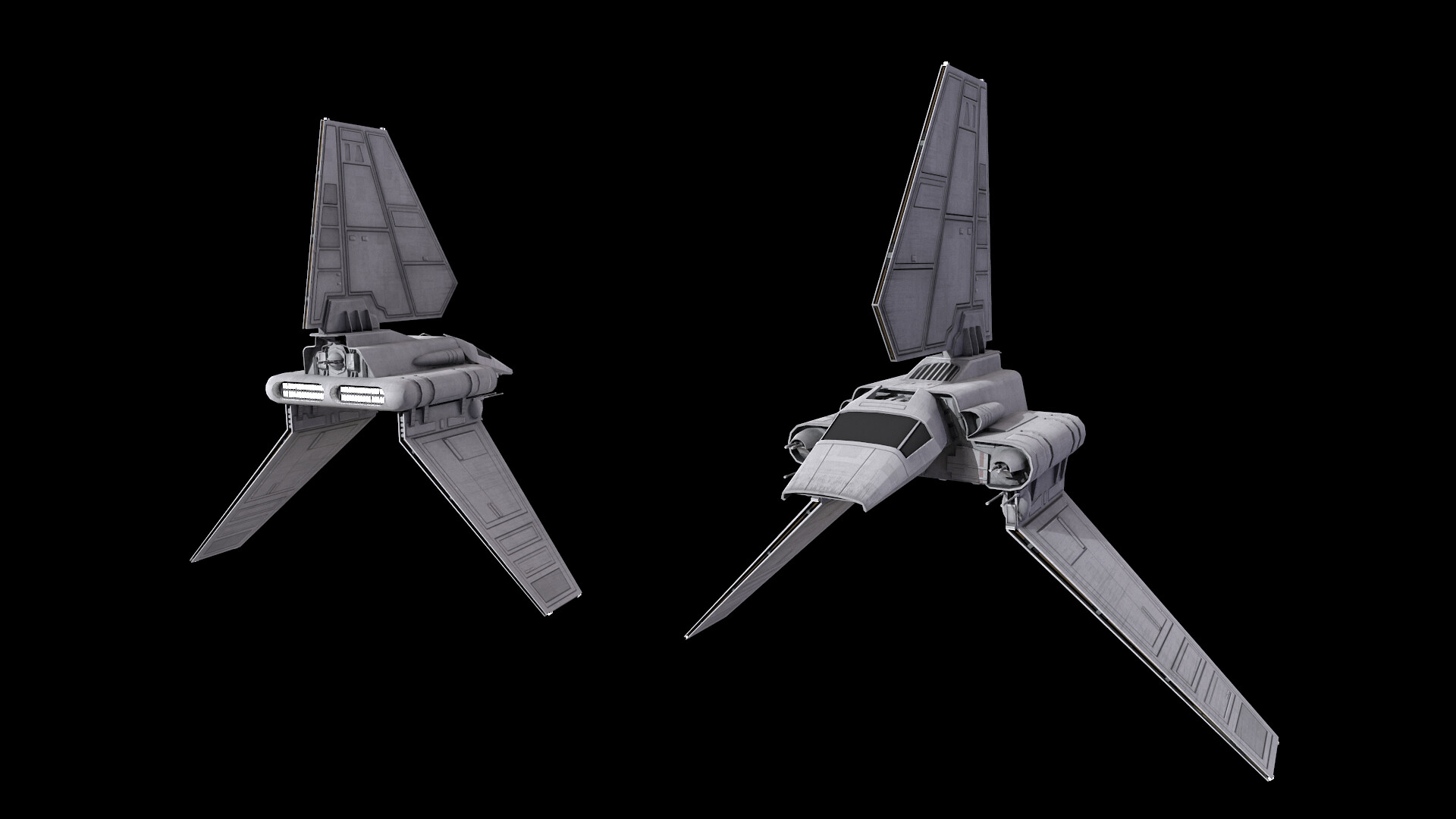
  • I See You: The Lambda-class R-1s is equipped with a RSM-4 mounted scanner system, a four-layer sensor suite that enables it to function as an effective reconnaissance craft.
  • Thick Skin: The Lambda Scout not only retains but slightly improves upon the highly durable hull of the classic Lambda, allowing it to operate in environments too dangerous for other small craft and withstand enemy fire for longer than most.
  • Road Trip Ready: In order to facilitate days-long reconnaissance missions far from friendly capital ships or space stations, the Lambda Scout possesses a hyperdrive and a storage room for provisions as well as a small kitchen and bunks for crew members in the place of the original Lambda’s benches.
WEAKNESSES
  • Turns Like a Bantha: As with the original Lambda, the Lambda Scout is not very maneuverable and can easily be flanked by most starfighters as well as more agile gunships.
  • Blind Spot: Unlike the classic Lambda, the Lambda-class R-1s lacks a rear turret, making the shuttle’s flanks and rear a major blindspot that can be exploited by starfighter pilots.
  • Shield Downgrade: As a result of the energy demands of the RSM-4 scanner system, less power can be given to the Lambda Scout’s deflector shield, making it weaker than that of the original Lambda.
DESCRIPTION

The TIE/VI is undoubtedly one of the most advanced starships ever to come out of Alge Imperial.
Born of the Frontier Enforcer project, the TIE Vindicator is a dedicated space superiority craft designed to be able to defeat any opponent in a one-on-one assuming both pilots are equally skilled. To achieve its generally excellent overall parameters, several notable departures were made from the traditional doctrine of TIE construction.

Firstly, the TIE Vindicator is not a true TIE in the sense that it has twin ion engines. Instead, a supercharger fuels seven smaller ion engines distributed in pairs on the Vindicator’s rear. While able to achieve speeds similar to those of high performance twin ion engines in level flight, the difference between the traditional TIE engine layout and those of the Vindicator become abundantly clear when maneuvering. The pilot of a Vindicator can choose to disable engines in the direction that they are turning, reducing speed but dramatically increasing maneuverability. Careful activation and deactivation of engines can turn the tables in a dogfight by allowing a Vindicator to make extremely tight maneuvers that a traditional TIE would be unable to replicate.

Additionally, the TIE/VI is also equipped with heavy armor uncharacteristic of the average TIE fighter, which often relies on maneuverability and numbers more than durability. Designed with prolonged combat in mind, the Vindicator is equipped with high-quality deflector shields that can absorb several shots from a laser cannon before beginning to falter. If its shields fail, the TIE/VI is protected by a heavily armored hull made of percidium, a flexible alloy that is highly resistant to blaster fire. Only the wing solar panels and viewport are unarmored, the former of which the Vindicator can operate without for around fifteen minutes before losing power.

The TIE/VI is one of the few TIE-inspired fighters with electronic warfare capabilities, albeit more limited than a dedicated electronic warfare craft. Its M.I. Scan-Jam Package grants the pilot the ability to negate more basic stealth systems and temporarily jam the systems of pursuing starfighters, giving Vindicator pilots a brief tactical edge over their opponents.
 
Last edited:

Users who are viewing this thread

Top Bottom