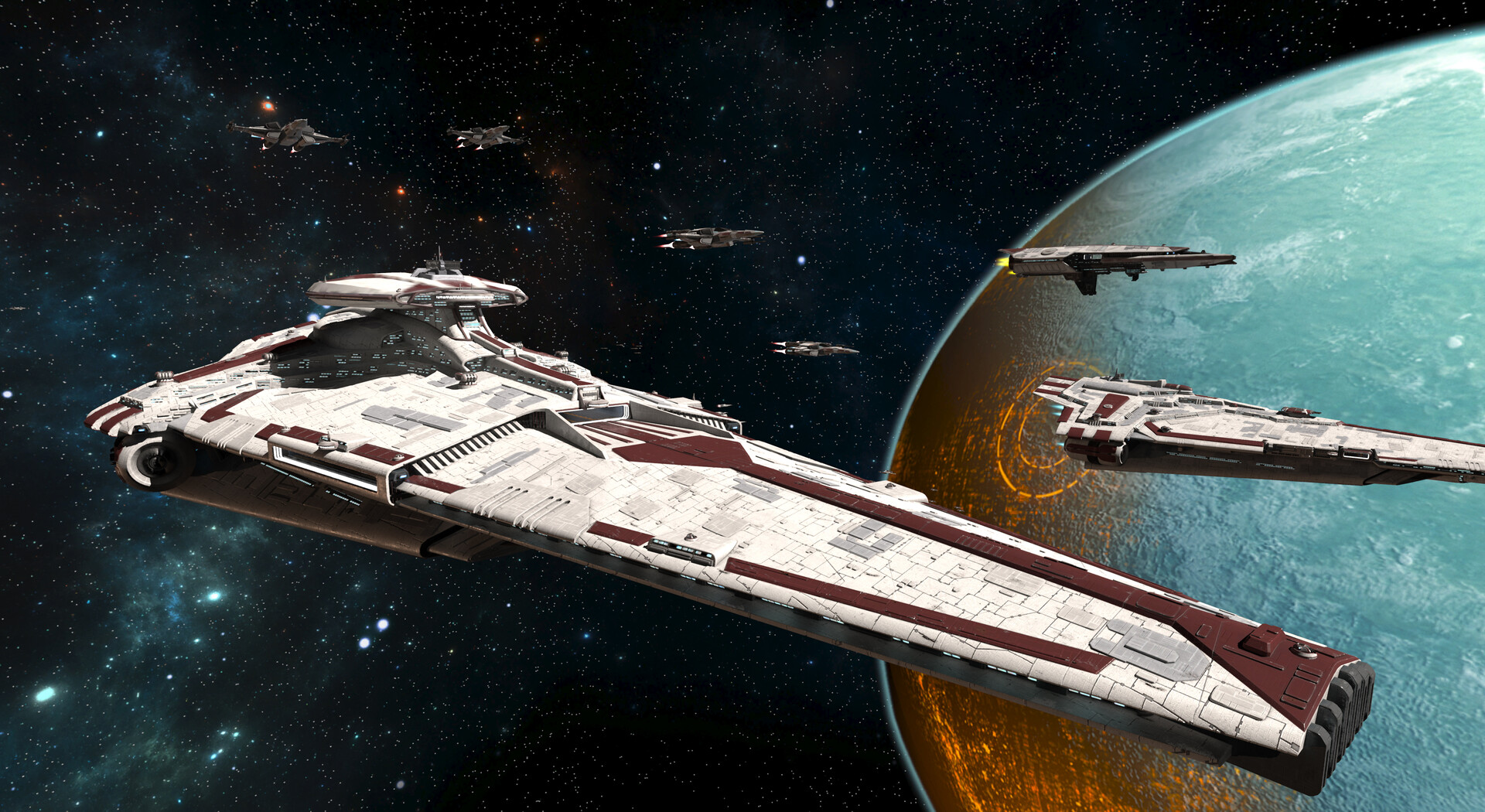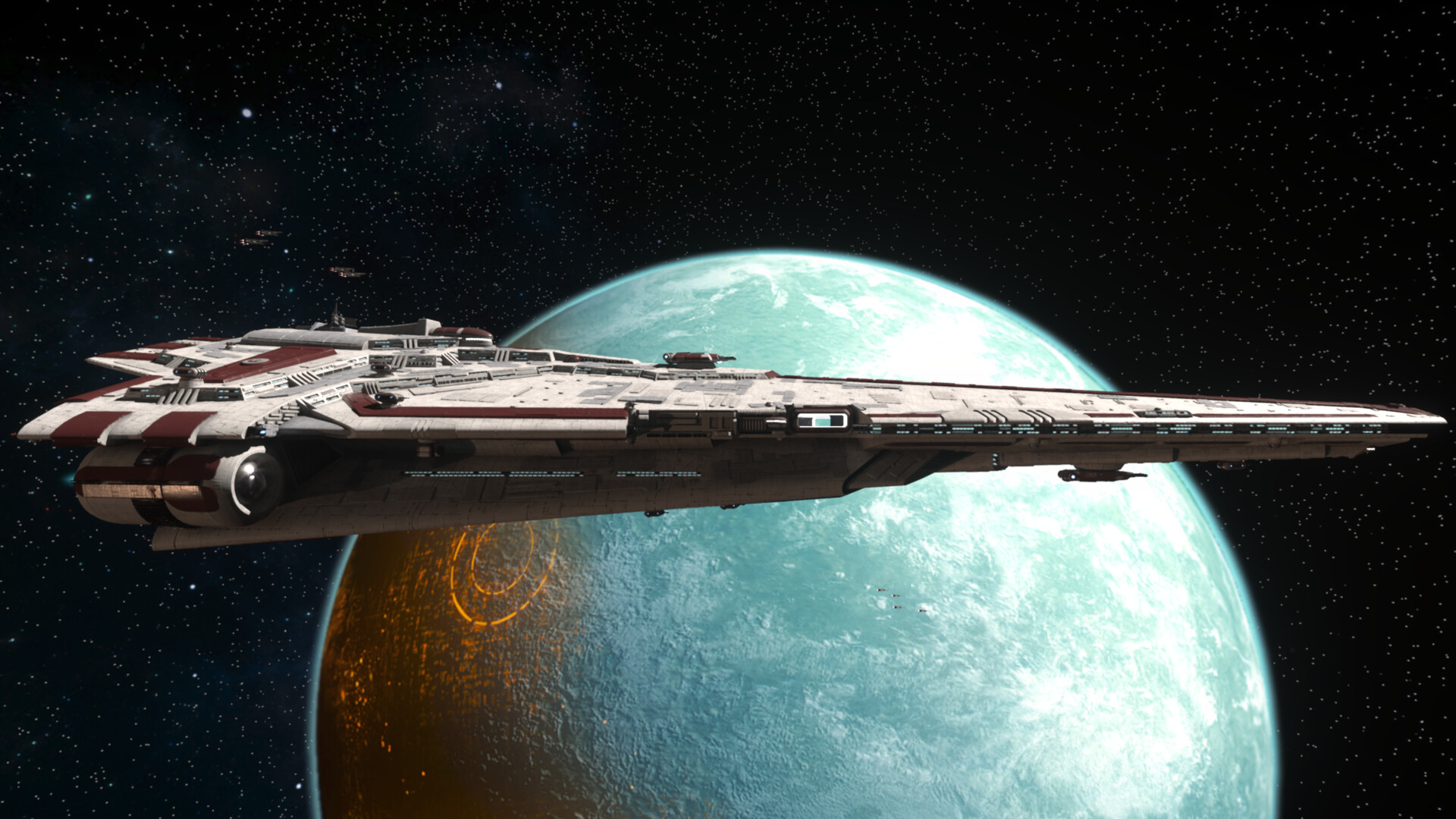

Well-Known Viceroy






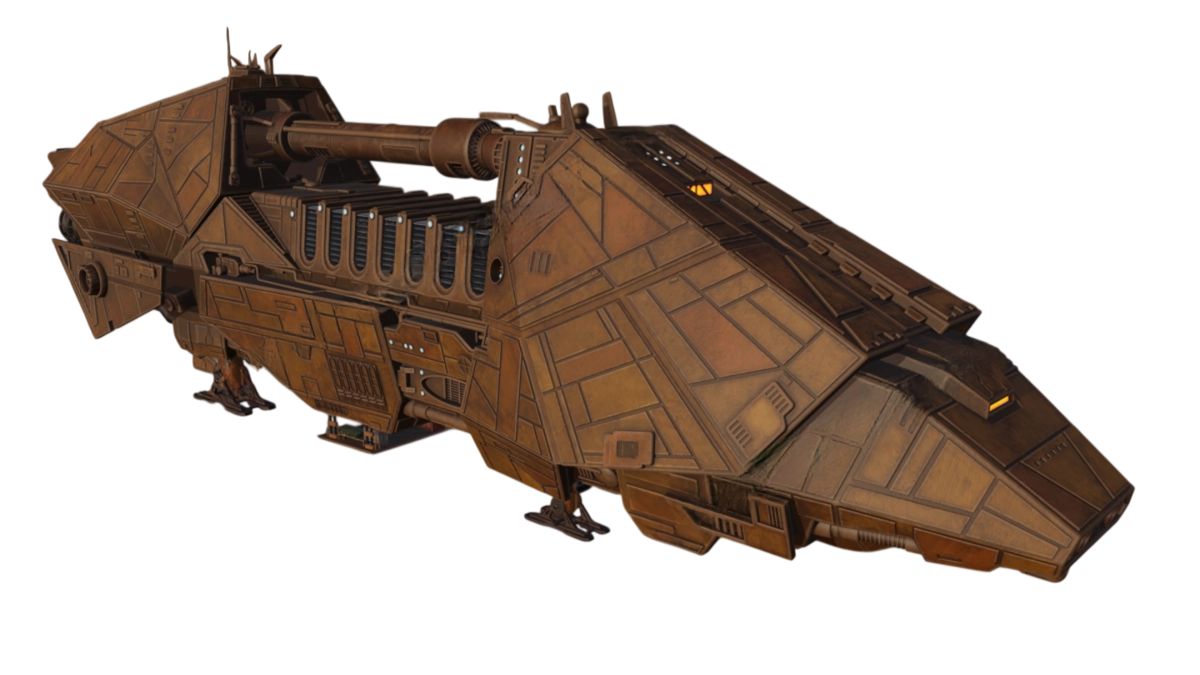
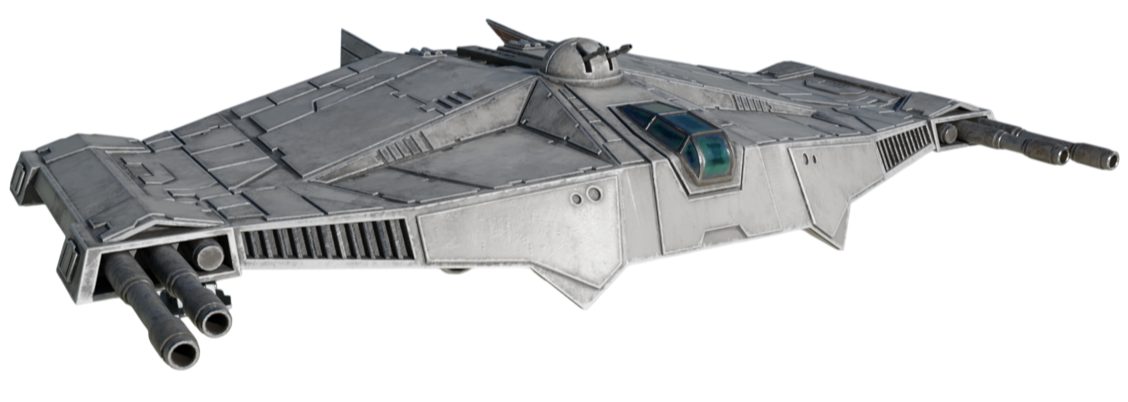
- Intent: To design a fast counter-stealth picket corvette and hunter-killer vessel engineered to track down, unmask, and destroy stealth ships including fighters, bombers, heavy gunships and other vessels within the classification of small craft.
- Image Source: Prudent Flight from Artstation
- Canon Link: Not Applicable for this Submission
- Permissions: Not Applicable for this Submission
- Primary Source: CR90 Corvette | Crystal Gravfield Trap | Weapon Detector | Mass-Driver Cannon | Hyperwave Inertial Sustainer

- Manufacturer: Kuat Systems Consortium
- Affiliation: Kuat Systems Consortium
- Market Status: Open-Market Line
- Model: Watchkeeper-class Counter-Stealth Corvette
- Production: Limited-scale Production
- Material: Layered Flexisteel - Reinforced Durasteel Armor | Titanium Frame & Internal Bulkheads | Glasteel Alloy Vision Ports

- Classification: Patrol Ship / Counter-Stealth Corvette
- Length: 140 meters
- Width: 52 meters
- Height: 28 meters
- Armament: High
- 2x Dual Turreted Heavy Mass-Driver Cannons (Dorsal & Ventral)
- 2x Dual Turreted Heavy Ion Cannons (Forward Dorsal)
- 4x Broadside High-Output Plasma Cannons (2 Port, 2 Starboard)
- 2x Heavy Mag-Pulse Torpedo Launchers (10 Warheads per tube)
- 6x Automated Point-Defense Flak Cannons / Laser Turrets
- Defenses: Very High
- Heavy Particle Shield Generator
- Heavy Ray Shield Generator
- High-Output Electronic CM Suite
- Fire Suppression System
- RK-250 Repair System
- Sheer Silence Bubble Generator
- Hangar Space: 100m–150m [Base: 0]
- Hangar Allocations: Starfighters: 0 squadrons - Support Craft: 0 squadrons
- Single Craft Hangar: Yes
- Maneuverability Rating: Average
- Speed Rating: High
- Hyperspace: Modified Hutt Jumpdrive System

- Military-Grade Life Support Systems
- Advanced Navigation Computer Suite
- High-Yield Sublight Ion Engine Array with Afterburners
- Full Command & Control (C2) Subspace Transceiver & Sensor Suite
- Integrated Emergency Escape Pod Arrays
- Internal Defense Turrets & Security Blast Doors
- Combat De-Ionizer(s), Ionization Buffer Systems
- Hiridu based Communication Systems
- Warhead Countermeasures
- Weapon Detectors
- Isotope-5 Generators

- Magnaband Scope Sensor System
- Droid Mod Artificial Intelligence
- Electromagnetics, Sensor Masks and Optical Shields
- Crystal Gravfield Trap (CGT) Sensor Module
- Blind-band Hypercomm Transmitters, Sensor Jammers,
- Dedicated Energy Receptors, Full-Spectrum Transceiver
- Magnetic Signature Tracking Systems
- Micro-chaff Launchers
- Anti-Ordnance EM Probes
- Mimic Sensor Decoys, Trickster Decoys

STRENGTHS
Comprehensive Multi-Spectrum Counter-Stealth: Combining a Crystal Gravfield Trap (CGT), Weapon Detectors, Magnaband Scopes, and Magnetic Signature Tracking Systems, the Watchkeeper can find most stealth targets on the battlefield. It tracks target mass displacement, weapon charge-ups, and magnetic engine footprints, leaving enemy fighters and stealth bombers almost nowhere to hide.
Shield-Bypassing Kinetic & System Interception: The dual-turreted Heavy Mass-Driver Cannons fire hyper-velocity solid projectiles that pass straight through energy Ray Shields to damage structural components directly. Paired with heavy Ion Cannons and Mag-Pulse Torpedoes, it can instantly disable electronics and destroy unmasked stealth craft in a single attack vector.
Redundant Defense & Self-Repair Capabilities: Layered Ray/Particle Shielding, reinforced Flexisteel-Durasteel armor, and onboard RK-250 Repair Systems backed by combat de-ionizers allow the vessel to absorb heavy incoming fire, survive localized ion attacks, and execute auto-repairs on the fly.
Sub-Light Infiltration & Decoy Warfare: Equipping a Sheer Silence Bubble Generator alongside Mimic/Trickster Decoys, Micro-chaff, and EM Probes allows the Watchkeeper to mask its own acoustic/thermal signature when stalking targets or sow total confusion across enemy targeting networks.
WEAKNESSES
Ammunition & Supply Logistics: Heavy Mass-Driver Cannons, Flak Turrets, Mag-Pulse torpedoes, and Micro-chaff launchers all rely on finite physical magazines and ordnance bays. Prolonged deployments without resupply will exhaust its primary kinetic firepower and defensive countermeasures.
Sensor & Electronic Power Drain: Simultaneous operation of the high-output electronic warfare suites, Sheer Silence Bubble, CGT array, and RK-250 Repair System places an immense draw on the main power grid, slightly limiting energy weapon recharge rates during max-power stealth sweeps.
Lack of Combat Starfighter Escort: Lacking an active starfighter hangar (reserving space only for a single utility shuttle), the Watchkeeper relies entirely on its 6 point-defense flak turrets and broadside weapons to handle massive swarms of hostile interceptors if caught without friendly fleet support.

Designed by Kuat Systems Consortium, the Watchkeeper-class Counter-Stealth Corvette is a specialized 140-meter hunter-killer platform built to unmask and destroy stealth fighters, heavy bombers, and gunships before they launch standoff attacks. Equipped with a forward counter-stealth suite, combining a Crystal Gravfield Trap (CGT), Magnaband Scopes, Magnetic Signature Tracking, and Weapon Detectors, the Watchkeeper bypasses optical, thermal, and sensor-dampening cloaks by targeting a vessel's physical mass, magnetic footprint, and energy build-up.
Once unmasked, its dual-turreted Heavy Mass-Driver Cannons fire kinetic rounds that pass directly through energy Ray Shields to damage structural components, while Ion Cannons and Mag-Pulse Torpedoes neutralize internal electronics. Featuring a Sheer Silence Bubble Generator for low-emission ambushes and RK-250 Repair Systems for combat durability, the Watchkeeper serves as an elite counter-stealth picket ship for high-value fleets
Last edited: