

Prophet of Bogan
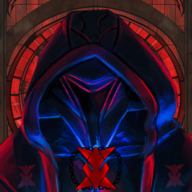




- Intent: Flesh out the unique culture that has flourished in my organization!
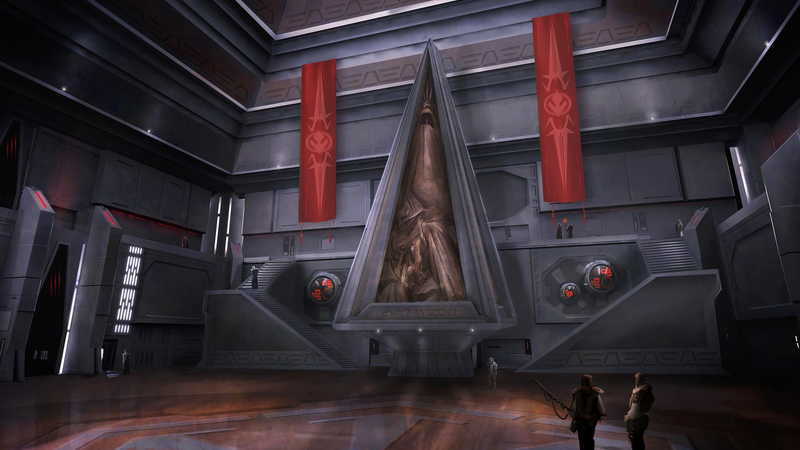
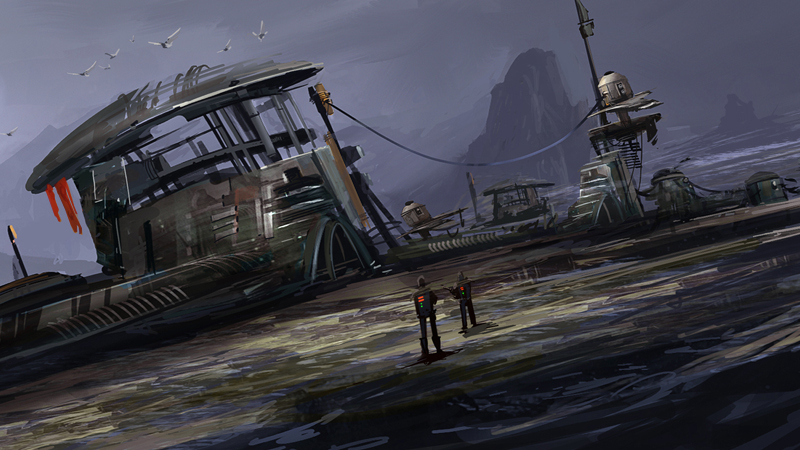
- Image Credit: Banner and Symbol cobbled together by me, First image found here, Second image found here
- Canon: N/A
- Permissions: N/A
- Links: Kotsûshatul Itsu, Order of Wonosa, Book of Broken Chains
- Name: Tsis Tauta (Sith People), Wonosan Tsis (Free Sith/Freed Sith), Tauta iv Wonosa (People of Freedom/The Freed People), Outer Rim/Rimward Sith (Exonym)
- Classification: Cultural Group
- Origins: Dromund Kaas, Formos, Outer Rim
- Affiliation: Order of Wonosa, ostensibly Sith Order
- Symbol:

- Domain: The various worlds of the Outer Rim and Wild Space house the disparate diaspora of the Wonosan Tsis people to varying degrees; however their largest concentrations are on Formos, Wrea, Naos III, and their own wandering fleets and stations. Regardless of where they might be and how numerous they are they are consistently active in their local communities, eager to spread their ways and induct more people into their welcoming arms. They tend to primarily rub shoulders with the downtrodden of whatever worlds they find themselves on, stirring up sentiments of vengeance and revolution against the upper classes. In the very very rare occasion that they comprise such upper classes however then their involvement shifts to one of almost patronizing benevolence, seeing themselves as guides for their unenlightened neighbors with little tolerance for those that might disparage their ways.
- Estimated Population: Scattered
- Demographics: By and large they are comprised of a somewhat split majority between Humans and various Near-Human species and hybrids, with significant minority populations of Twi'lek, Zabrak, and Nikto. They aren't shy about embracing any species into their ranks however, even boasting a fair number of Zygerrians for example.
- Description: The first impression that one might have of the Tsis Tauta is that of darkly garbed and tattooed rabble rousers, occult vagabonds and revolutionaries, or even dour and stalwart outcasts. They are something of all three impressions in one really. Being paragons of the downtrodden and adherents of ancient Sith ways yet tempered with a meritocratic and egalitarian flair.
- Distinctions: For the most part, aside from simple hybridization and interspecies traits, there is little to distinguish a Wonosan Tsis from any other denizen of the Outer Rim. The only real visual distinction would be the ritualistic markings and tattoos of Sith design that they often sport, however even then these can typically be hidden or mistaken for other markings by those not knowledgeable of ancient Sith culture. They do have a preference for Sith stylings and iconography in clothing as well of course.
- Force Sensitivity: Standard
- Membership:
- IC: For the most part the Tsis Tauta are rather easy to join and partake in, being a very welcoming and expansionist community overall. They do have induction rites and ceremonies which are typically simply participating in their religion, the Kotsûshatul Itsu, to some degree but they are rarely too formal in their recruitment. To an extent they consider all denizens of the Outer Rim and especially any who suffer under slavery to be their kin or at the very least peers by default.
- OOC: Just give me a poke and say you're interested! Always down to help out with characters and whatnot.
- Climate: There is a general sentiment of openness and equality within the communities of the Tsis, however there is also some measure of tension. A constant watch for betrayal and cowardice lies beneath the surface of the Wonosan populace, a vigil made not out of overall distrust but rather genuine practicality. There can be a coldness to them that exists in parallel with their welcoming demeanors, not separate at all in spite of their clashing attitudes. Their predominant status as outcasts is to blame for such a state but they never let such sentiments ruin their close-knit communities. Diligence and service to their own people are often espoused and expected traits within their ranks, loyalty to their own is a simple baseline and unspoken tenant of their culture. This plays into a larger attitude of hierarchy and obedience that isn't quite so obvious or even spoken of at first glance but which is indeed ingrained within their people. An obedience that's often far more important than their bonds of family and friendship. The bond of their faith and shared mission of dragging the galaxy out of its current state of decay and into a Golden Age of Sith and freedom for all enslaved peoples serves as their greatest unifying force. A noble goal that cannot suffer any interruptions or doubts, certainly not from within.
- Reputation: Distrust and confusion follows the Tsis Tauta wherever they go, proclaiming to be proud Sith yet at the same time sparking revolutionary notions and being fervent anti-slavery activists. The long and bloodied history of the Sith doesn't engender any good will or faith in them however their alignment with the downtrodden and consistent action against criminal elements in their midst does buy them enough tolerance from their neighbors, for the most part at least. Naturally those that rely on slaves or occupy positions of power find the Tsis to be either miserable irritants or great threats to their livelihoods and lives in general, as they don't tend to shy away from violence at all and indeed seem to prefer it as a means of settling disputes with outsiders.
- Curios: While most Tsis are adorned with Sith markings in the form of tattoos or clothing patterns and they often enjoy carrying trinkets shaped like their symbol or other such icons of the Dark Side, in particular the most unique and distinct article that they keep are copies of the Book of Broken Chains. Some members even go so far as carrying tablets with quotes from their holy text or the Sith Code inscribed in Ur-Kittat on them.
- Philosophy: Kotsûshatul Itsu, Code of the Sith
- Outward Views: There is no small amount of suspicion of the wider galaxy within the people of Wonosa. Many come from or are descended from those who had been victims of the Outer Rim's slave trade and they know well enough that credits can be worth far more than morals or lives to many. This is paired with a sort of almost Sith supremacist attitude, with many not seeing any authority within an institution that isn't of Sith make or composition. For those that know enough of the wider Sith in general though, primarily being aware that the Wonosan revulsion of slavery is an exception among the Sith rather than the rule, anyone beyond their ranks is subject to that same suspicion. Many would say that the entire galaxy is against them in one form or another and given their long history of hardship they wouldn't be entirely wrong, but this attitude has manifested into a sinister revolutionary fervor against any and all who have wronged them. Regardless of whether such wrongs are simply perceived or otherwise.
- The Arts: Typically the Tsis don't have much time for the arts amongst their usual efforts, most often expressing their creativity through sermons and prayers, however this isn't to say that they abhor or avoid such practices at all of course. Tattoos for example have always been a cornerstone of their culture and religion and it is uncommon to see any Wonosan without some sort of marking adorning their body. There is a steadily growing movement within their people to bring about artistic stylings that invoke the ancient Sith's own aesthetics and designs and this has most often manifested thus far in the realms of painting, pottery, and most commonly in clothing. Additionally those hailing from Formos tend to enjoy metalworking and blacksmithing, a hobby picked up from the Prophet of Bogan.
- Architecture: The constructions and dwellings of the Tsis Tauta are an odd mixture of sheer practical utility, refurbished existing buildings, brutalist stylings harking back to the Post-Great Hyperspace War Sith Empire, and architecture inspired by ancient Sith structures on worlds such as Korriban. They are typically limited by their own resources and at times the need to keep their presence somewhat hidden, resulting in them often having to simply cobble together or inhabit simple unassuming buildings that are little different from any others that dot the Outer Rim. Even when they do have access to resources of their own and no fear of reprisal often most of their constructions still follow fairly practical, somewhat spartan designs. The Sith influence in their architecture can best be seen in their religious buildings, interiors, and other such important structures like those of their government or gathering places. Those buildings are made sleek and grand, meant to showcase the pride of their Sith heritage and origins as well as provide ample room for whatever services are needed within.
- Habits: There aren't many widespread "quirks" for the Tis Tauta aside from prayer and meditation in relation to their religion. Some of them do tend to enjoy people watching however this might be a result of their status as pariahs more so than a real cultural habit.
- Lifestyle: The Wonosans generally live communal lives in close-knit homes and communities by necessity, with this having become a facet of their overall culture as a result. For the most part they are a utilitarian and practical bunch when it comes to how they make their ways in the galaxy, willing to forgo luxuries in favor of ensuring that themselves and those close to them are sheltered and fed without much second thought. When survival isn't a concern they still maintain a communal sensibility and attitude but also respect boundaries and privacy. Ideally social gatherings are held in a public or designated place instead of an individual home for example, so that all can share the burden of preparing and hosting such events.
- Laws: Perhaps their most famous and defining laws are those outlawing slavery and tyranny. Enslavement isn't just an abhorrent practice but indeed a grave sin for the Wonosan Tauta and as such is not only prohibited but indeed actively worked against in the wider galaxy at every opportunity. The "tyranny" is a bit more vague and flexible in its application as authoritarianism in general is their preferred method of governance, this is more a sentiment that the rulers or upper class of a people are responsible for ensuring the lives and comfort of those below them. The loyalty of a people is owed only to those who are loyal to them. Crime in general is regarded with disgust and disdain by the Tsis, to the point that most offences often result in death at worst or extensive public service at best with few options in between. A harsh but relatively fair system of justice all things considered.
- Customs & Traditions: At present many Wonosan Tsis by and large still retain the practices and customs of their former lives and cultures before being inducted into their new one, however there are still traditions that reign over their people and other such notions which become more common by the day and certainly with each generation brought up within their ranks. While most are related to their religion in some form there are some independent of it which have come from their shared history and existing Rimward customs or resurgent Sith ones, such as bowing their heads in greeting or their usage of tattoos. The imbibing of bloodsoup is one such practice which has been reformed in the Tsis as part of their mourning and courtship rituals, with a recently deceased family member's blood being used in the concoction at a funeral meal or for newlyweds to imbibe such a substance made from their mixed blood as a means of cementing their marriage. Rarely disputes among Wonosan Tsis are settled through a Kaggath, a simplified version of the ancient practice which is essentially just a legal duel between two individuals to settle some discrepancy or disagreement.
- Education & Training: As there aren't many dedicated learning institutions it is difficult to nail down any one specific education course for the Wonosan Tsis at large. They often favor practical skills and craftsmanship as well as martial prowess in varying forms, however there are somewhat official studies primarily relating to the ways and culture of the ancient Sith. Typically those outside of religious or military tutelage are instructed either in apprenticeships or by their families and communities in various skillsets but with little expertise or true scholastic fields.
- Diet: Aside from species-specific dietary restrictions or necessities there's not much to speak of in terms of notable Tsis Tauta food habits. There is a general preference for carnivorous diets and foods although this isn't by any means a specific intent, rather its a side effect of and a reverberation of the overall Sith attitude. If anything the Wonosan cuisine favors simple meals which can be made in bulk with few ingredients and which lasts for awhile, predominantly soups and stews as well as dried and salted foods.
- Language: Three languages dominate the Sith People: Galactic Basic, Huttese, and the Sith Language. Basic is naturally the most commonly and widely spoken however Huttese has come to comprise a secondary language for the Wonosans and a melding of the two isn't at all uncommon even amongst the more prim and proper of their societies. The Sith Language is technically the "official" language of their people however and all of their religious and legal dialogue tends to be spoken in Sith first before being translated and transcribed into Basic. Strides are being made to make the Sith Language more commonly used and understood, however this is an effort measured in generations rather than years.
- Open Arms: Theoretically any who desire to walk the path of Wonosa can be inducted into their people, allowing for them to host a variety of individuals of any skill level and background. What they might lack in prestige and resources they more than make up for in their sheer potential recruitment capabilities. They can, and indeed have, easily induct mass groups of people into their ranks without sacrificing their own core identity in the process.
- A Hardy People: The Tsis Tauta have been defined by hardship and strife virtually since their inception, making them diligent and stalwart in character even with the odds mounted against them. They take pride in their resilience and see the galaxy as a great struggle that they alone have found the best path through, eager to shepherd others along in their hard lives within the Outer Rim and beyond.
- People Without A Home: There is no single government or even planet composed of or with a majority of Tsis Tauta and as such they are essentially in a diasporic state at present. Their origin worlds are out of their reach as well, with Dromund Kaas being entirely out of their grasp and Formos still recovering from its devastation by the enemies of the Order of Wonosa. Their domain is splintered and scattered territories in unfriendly space and worlds that they have little claim to and middling influence over. For all their ambition they have shaking foundations at present.
- Pariah Sith: Wonosan Tsis are outcasts among even their fellow Sith, leaving them by and large on their own in terms of their place in the wider galactic community. The only people that they can rely upon are themselves, for better or worse.
The relatively recent history of the Wonosan Tsis begins with a terrible massacre. Somewhat surprisingly given their present zealotry regarding the abolition of slavery and execution of slavers, the first of these people would be Zygerrians fleeing from the Ruination of Zygerria who were taken under the wing of a young Sith Acolyte known at the time as Alisteri Haxim. These enslaved Zygerrians would be set free soon after arriving on Dromund Kaas as refugees and their mysterious Acolyte benefactor would continue aiding them in finding new homes and making new lives on the Sith Empire's capital world.
Over time other downtrodden citizens in need of assistance or soldiers whom Alisteri had rescued during the many battles that comprised the latter days of the Tenth Sith Empire would wind up joining in with this group of refugees as they settled into their new homes. Working together for the benefit of them all was a simple necessity during the harsh days of war but with shared burdens and their Sith guide these people felt comfortable and content. This would be the foundation for the Order of Wonosa, and its tale is one of these people and those that would soon join them as the Tenth Sith Empire came crashing down around them.
They fled Sith space as the enemies of the empire closed in around them, making their exodus and gathering all the Sith-Imperial citizenry that they could whilst they escaped to unclaimed and lawless sectors far away from the last embers of the war. This would be when the culture of the Tsis Tauta really began to take shape alongside their religion, Kotsûshatul Itsu, as the existing Sith-Imperial culture was molded into this newer more inviting and communal form by sheer necessity. All that they had now were each other amongst the starts, trust came slow but strong as they learned to rely upon one another and survive their long pilgrimage.
Their journey came to an end on Formos where they would finally settle at a site that would come to house their people and their new faith for the years to come. The Dresuoti served as the main home for the Wonosan Sith for quite some time and as their roots dug in here they began to slowly spread across the rest of Formos as well, gradually inducting the locals into their way of live and faith. Most of the slaves rescued by the Order of Wonosa would be brought back to Formos and to the Dresuoti where they would be welcomed with open arms, their numbers swelling until eventually the whole planet fell into their influence and control.
The Sith Dominion of Formos would be the first, and thus far only, world of the Tsis Tauta that truly belonged to them. It wasn't meant to be however.
For Darth Strosius, the Acolyte who had once led the Wonosans out of devastation and which had now ascended to become a Sith Lord, had made enemies which came to despoil His and His people's world. Plagues, beasts, and the threat of all out invasion forced the vast majority of the Tsis Tauta to leave Formos just as they had fled from Dromund Kaas so long ago, yet even now small remnants and pockets of them still persist on the world. Eager to either reclaim it for their kin and neighbors or stalwartly and stubbornly awaiting the return of their people to their lost home.
In modern times they have started to recover from the loss of Formos and have begun expanding their numbers and reach once more, still without a proper world of their own but with a renewed determination and passion about them. They have fully embraced their leader's ways of inspiring revolution in the downtrodden of the galaxy and have seeded themselves on many worlds across the Outer Rim and Wild Space in order to hopefully spread their numbers and claim entire sectors for their kind. The people of Wonosa have lost much in their time in the galaxy and they are intent on losing no more.