
✠ Nihilus Indomitus ✠





✹ OUT OF CHARACTER INFORMATION ✹
- Intent: To create a new species for stories surrounding the Netherworld, Unknown Regions and as a generally new species of angel-like beings.
- Image Credit:
- Canon: N/A
- Permissions: N/A
- Links: Diathim, Stormcast Eternals, Angels
- Name: Soulcast Nephilim
- Designation: Sentient
- Origins: Netherworld, Soul Forge
- Average Lifespan: ~10.000 Years
- Estimated Population: Planetary
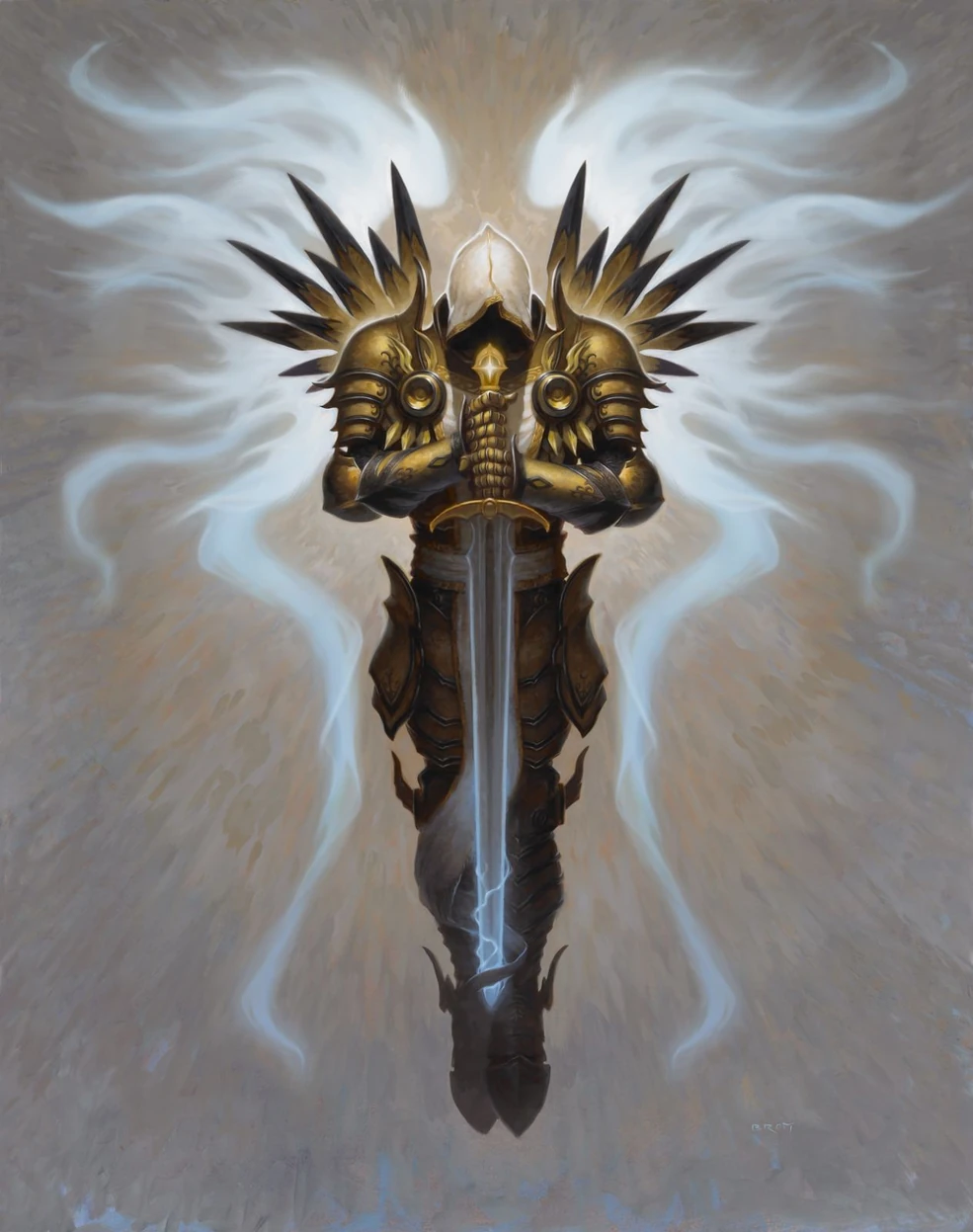
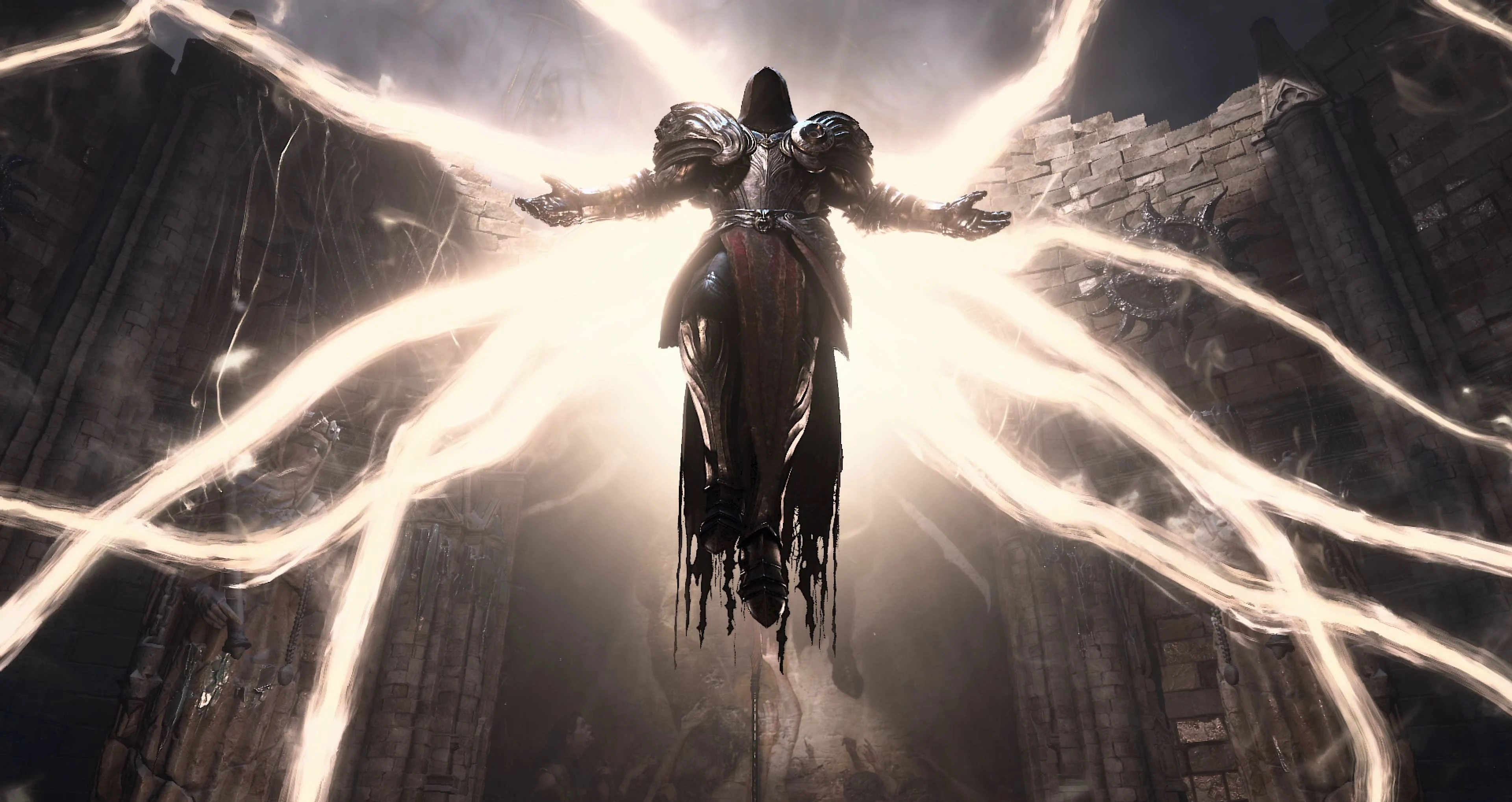
- Description: Soulcast Nephilim are beings of pure cosmic energy forged from the souls lost in the eternal conflicts of real space. They have neither face nor biological body, but can choose to adopt an appearance for the sake of easier interaction and communication with ordinary sentients. Often clad in golden, silver, copper, white or black robes or armour, their faces are shrouded in darkness to prevent those from glancing at them to become blind. On their back sprawl large wing of pure energy, allowing both flight and access to the Netherworld.
- Breathes: Any, including Outer Space
- Average Height of Adults:
- 2,20 - 2,60 meters {Nephilim}
- 2,30 - 3,00 meters {Arch-Nephilim}
- Average Length of Adults:
- 2,00 - 5,00 meters (wingspan) {Nephilim}
- 3,00 - 7,00 meters (wingspan) {Arch-Nephilim}
- Skin color: Pure Light
- Hair color: None
- Distinctions:
- Creation: Between the Netherworld and real space exists a place called the Soul Forge, inhabited by the Primarch of the Soulcast Nephilim, the first of their kind. The Primarch seeks out souls passing into the Netherworld that have demonstrated a fundamental authenticity of character. The criterion is not necessarily morality or goodness, but whether the individual remained true to their heart, whether they possessed genuine conviction, courage, loyalty, sacrifice, or fidelity to their own principles. When a soul is found, the Primarch offers it to return by entering an absolute pact: return and return forever. There is no temporary resurrection and no eventual retirement from existence. Once a soul accepts Soulcasting, it is permanently removed from the ordinary cycle of life and death and becomes bound to the Soulcast existence. The individual retains their fundamental identity, but their new existence is fundamentally different from their former biological life.
- Essence: Soulcast Nephilim are beings of pure cosmic energy, their essence formed through the spiritual energy contained within souls entering the Netherworld. This energy is intrinsically connected to the Force, but is not identical to the Force itself. Their apparent body is energy. Their robes/armour are stabilizing manifestations of that energy. Soulcast abilities are limited to manipulating their own manifested essence and establishing temporary interactions between real space and the Netherworld through using the Force. They cannot freely extract, control or weaponize the souls of other beings.
- Netherworld: The Soulcast Nephilim are forged into the Netherworld and can live both there and in real space.
- Faceless: No Soulcast has a face, but a certain vibration and frequency - a resonance that defines their being and the individual. In their pure form, they usually wear hoods or helmets which have nothing but shrouded darkness. It is said that mortal eyes cannot safely perceive a Nephilim's true countenance, with prolonged exposure capable of causing blindness.
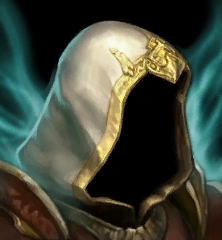
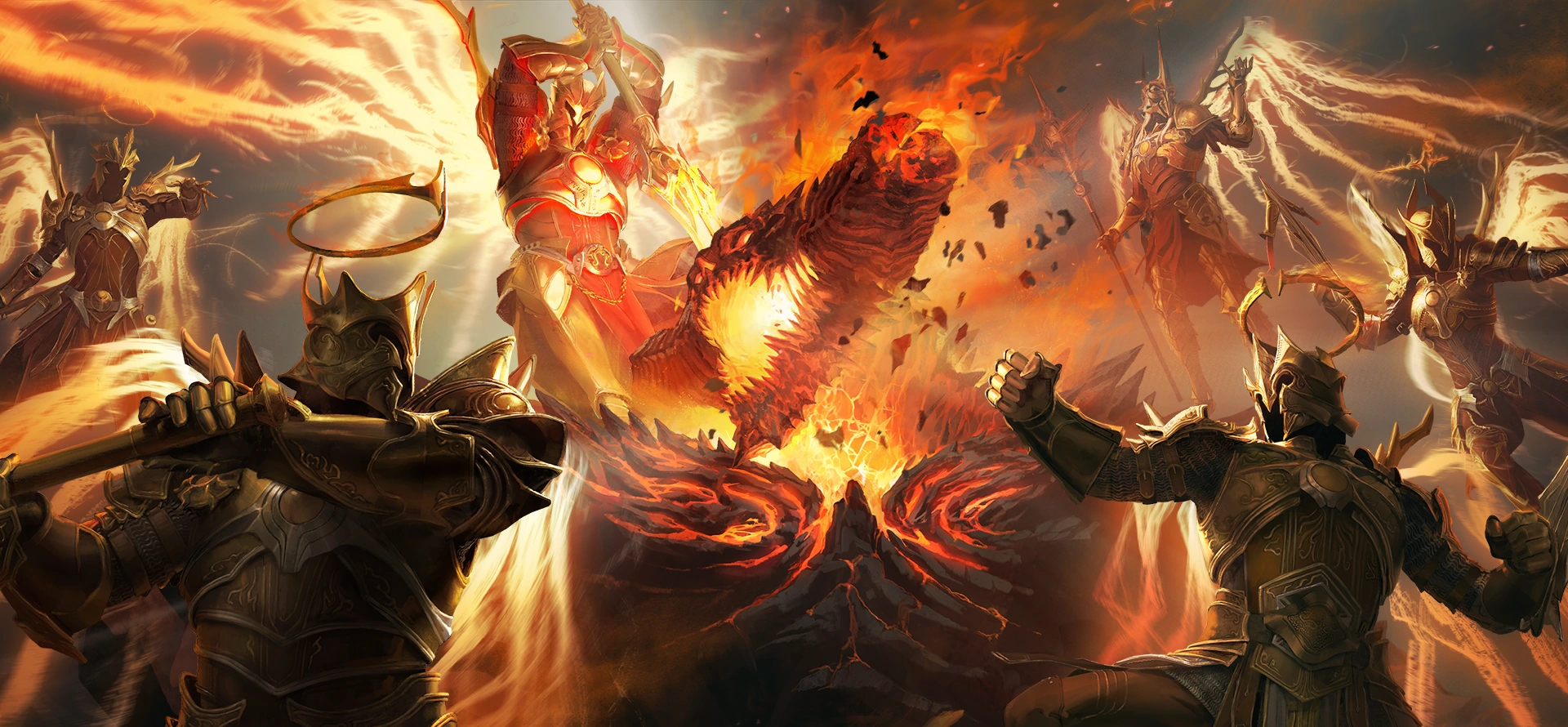
- Wings: These are not biological wings and do not function merely as organs of flight. They are manifestations of the Nephilim's spiritual nature and are among their most defining characteristics. The wings allow them to fly through physical space while also providing a means of crossing the boundary between real space and the Netherworld. When fully manifested, the wings can produce an overwhelming display of celestial energy, reinforcing the impression that the Soulcast are beings closer to angels or spirits than conventional sentient organisms. In moments of overwhelming conviction, valor or spiritual intensity, their wings may expand dramatically beyond their normal manifestation.
- Sex: Soulcast Nephilim possess no biological sex or inherent gender. They may adopt whatever physical form, voice and gender presentation they choose, usually resembling the form they possessed in life.
- Rebirth: Soulcast Nephilim are effectively immortal. Their manifested bodies can be destroyed, but the soul itself survives. When a Soulcast is slain, its soul returns to the Netherworld and may eventually be Soulcast again, receiving a new manifested body. Consequently, death for a Soulcast is not an end but a temporary interruption. However, their immortality carries a profound cost. Every return gradually erodes the Soulcast's connection to their former mortal self.
- The Force: All Soulcast possess an intrinsic connection to the Force, but none are traditionally Force-sensitive. The Nephilim manipulate their own spiritual essence and the boundary between worlds, producing effects that inherently interact with the Force.
- Death:
- Final Passage: Eventually, the Erosion may reach a point where a Soulcast can no longer sustain its existence. Recognizing that further rebirth would strip away what remains of its identity, the Soulcast may willingly surrender itself to the Netherworld and pass beyond the Soul Forge, entering a final state from which it cannot return. This is regarded not as defeat, but as the natural conclusion of the Soulcast Pact.
- Soul Destruction: Although ordinarily beyond mortal means to kill permanently, a Soulcast's soul can be destroyed through extraordinary means. Weapons designed to sever or annihilate spiritual essence, attacks capable of damaging the fabric of reality, exceptionally powerful Force phenomena, or direct intervention by the Primarch or Celestials may prevent a Soulcast from returning to the Netherworld. Such destruction is exceedingly rare and represents true, irreversible death.
- Erosion: Each Soulcasting preserves the soul but diminishes something of the mortal being that once inhabited it.The first incarnation may remain remarkably close to the individual's former self. Their memories, emotions, relationships, desires and understanding of mortality can remain vivid. With every subsequent return, however, the Soulcast becomes increasingly detached from mortal existence. Eventually, an ancient Soulcast may retain the factual memories of their mortal life without truly understanding what those experiences once meant. This process is known as the Erosion. The Soulcast therefore face a fundamental paradox: they cannot die, but they cannot remain unchanged. Their immortality does not preserve them indefinitely as the person who accepted the Primarch's offer. Instead, eternity gradually transforms them into something increasingly distant from their original mortal identity.
- Races:
- Nephilim: The Nephilim form the vast majority of the Soulcast Host. They are souls who accepted the Primarch's offer and were reforged into beings of cosmic energy. While their abilities and manifestations vary according to their former lives and subsequent experience, all Nephilim share the fundamental traits of Soulcasting: immortality through rebirth, the ability to manifest a physical form, and the gradual Erosion of their mortal identity. Most Nephilim retain a recognizable humanoid form and are capable of operating independently in both real space and the Netherworld.
- Arch-Nephilim: Arch-Nephilim are the highest order of Soulcast apart from the Primarch. They are not simply older or more powerful Nephilim, but individuals who have attained an exceptional degree of spiritual development and mastery over their Soulcast nature. Arch-Nephilim possess greater command over cosmic energy, more powerful manifestations and significantly greater ability to traverse and manipulate the boundary between the Netherworld and real space. They commonly serve as leaders, champions, teachers and exemplars of the Eight Virtues, with some entrusted with overseeing entire hosts of Nephilim. Their forms are typically more elaborate and imposing, often possessing greater wingspans, additional manifestations of energy or other features reflecting the virtue or ideal they have come to embody.
- Primarch: The Primarch is singular and stands apart from both Nephilim and Arch-Nephilim. As the first Soulcast and the only one created directly by the Celestials, he is the progenitor of the entire species and the sole keeper of the Soul Forge. The Primarch possesses unparalleled mastery over Soulcasting, allowing him to seek worthy souls within the Netherworld and offer them the Pact. Though originally created to command an eternal celestial army, the Primarch broke the shackles imposed upon him and rejected this purpose, becoming instead the guardian of the Soulcast and their freedom. He remains vastly more powerful than any other Nephilim, but his authority over them is primarily founded upon his role as their creator and shepherd rather than unquestioned command.
- Diathim: It is rumoured that the Diathim are an off-shoot of the Soulcast Nephilim which eventually had settled completely in real space in the Iego system.
- Force Sensitivity: All - All Soulcast possess an intrinsic connection to the Force due to their spiritual nature. They do not possess conventional Force training and cannot freely learn Jedi or Sith techniques. Their abilities arise from manipulating their own spiritual essence and the boundary between the Netherworld and real space, though these phenomena inherently interact with the Force. Their spiritual nature makes it extremely difficult for them from being corrupted by conventional Dark Side influence. Likewise, techniques intended to overwhelm, purify or dominate the Force within a living being have little or no conventional effect upon them.
- Can survive anywhere
- Can traverse Force planes
- Very hard to kill
- Nethermancers
- Rebirth
- Can fly
- Age can cause apathy
- Soul-driven weaponry
- Force Nullification
- Certain Technologies
- Naivety
- Arrogance
- Diet: Other - The Soulcast have no need to eat or drink to sustain themselves as they are drawing energy from the Netherworld to remain alive. Yet they can digest any common food in their chosen appearance. They also cannot get drunk. Should the connection to the Netherworld be separated, they will be able to live off their own energy which will result in their eventual demise.
- Communication:
- Divine Conduit: All Soulcast Nephilim have access to the so called Divine Conduit, a telepathic network that allows them to communicate with other members of their species over any distance.
- Language: Manifested Nephilim can also speak the normal languages of the Galaxy.
- Technology level: Above Galactic Standard in melee weapons, armour, art and architecture. Below Galactic Standard in ranged weapons, transportation, infrastructure.
- Religion/Beliefs: The Soulcast Nephilim follow an ancient philosophical tradition known as the Eight Virtues. Their beliefs retain a distinctly mythological character, rooted in their creation by the Celestials and the Soulcasting of the worthy dead, but they do not worship the Celestials or Primarch as gods. Instead, they strive to embody the virtues that they believe give meaning to an existence beyond death. The Eight Virtues are Valor, Justice, Loyalty, Brotherhood, Honour, Death, Wisdom and Duty. Each represents an essential aspect of the ideal Soulcast. Valor demands courage in the face of adversity; Justice demands fairness and the punishment of wrongdoing; Loyalty binds individuals to their oaths and companions; Brotherhood emphasizes solidarity among the Soulcast; Honour demands integrity; Death teaches respect for mortality and acceptance of the inevitable; Wisdom encourages understanding before action; and Duty reminds them that freedom does not absolve one of responsibility. The virtues are ideals rather than absolute laws.
A Soulcast is judged by their striving to embody them, rather than by perfect adherence. The greatest Soulcast are those who can uphold the virtues even when they conflict with one another. Their mythology venerates the Primarch as the First Soulcast, whose breaking of the shackles placed upon him is remembered as the defining example of Free Will and Conviction. Yet his actions are not considered sacred because he performed them; they are respected because they embodied the virtues the Soulcast themselves hold dear.
The Soulcast believe that immortality is both a gift and a burden. Every return from death brings them closer to losing the mortal self they once possessed. The Eight Virtues therefore serve as anchors to their former mortal selves, giving them principles by which to measure whether they remain worthy of the life they chose. - General behavior: Soulcast Nephilim possess no biological needs and therefore have little reason to organize their lives around the cycles familiar to mortal species. They do not require food, water or sleep, and they neither age nor reproduce. They do not have children, and there is consequently no concept of childhood among them. Every Soulcast enters existence already possessing a mature consciousness, forged from the soul of an individual who has willingly accepted the Primarch's offer.
As a result, family is defined through fellowship rather than blood. Soulcast may form exceptionally close bonds with one another, particularly with those with whom they have fought, travelled or endured multiple deaths. Such relationships can endure for millennia, although the Erosion means that even the oldest bonds may gradually become difficult for their participants to understand in the same emotional terms they once did. The Soulcast do not traditionally take mates for the purpose of reproduction, but may form lifelong partnerships based upon affection, loyalty, companionship or shared purpose. Some may even consider such bonds a means of preserving the last remnants of their mortal humanity.
Their society places enormous value upon choice, conviction and fidelity to one's nature. Having been created as instruments of the Celestials and subsequently liberated by their Primarch, they are deeply suspicious of involuntary servitude and those who would deny another being the right to determine their own destiny. At the same time, they possess great respect for commitment. Once a Soulcast accepts the Primarch's offer, their decision is eternal; breaking one's word is therefore regarded as a particularly grave failure of character.
The Soulcast have no conventional schools. Their knowledge is instead passed between generations through memory, mentorship and direct experience. A newly Soulcast individual is not considered immature, but may be inexperienced in their new existence. Older Soulcast often take responsibility for guiding newly forged members, teaching them how to manifest their bodies, control their abilities, navigate the Netherworld and reconcile their former mortal identity with their new existence.
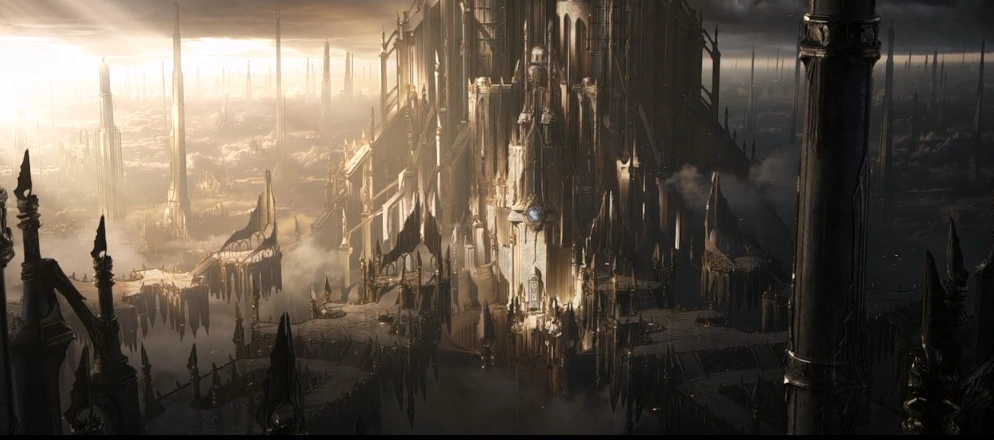
They have little need to construct settlements for basic survival, but they nevertheless build extensively. Their architecture tends toward monumental structures designed to endure rather than provide simple shelter. Temples, sanctuaries, citadels, memorials and great halls serve as places of gathering and remembrance. Their settlements may remain dormant for centuries before suddenly becoming active again when their inhabitants return from distant travels or from the Netherworld.
The Soulcast possess a strong relationship with history and remembrance. Death is an intimate part of their existence, and they understand better than most species that memories can eventually become the only surviving connection to who someone once was. Ancient Soulcast therefore often maintain vast records of their former lives, their companions and those who have been lost. Some maintain physical archives, while others preserve memories through manifestations of their spiritual energy.
They are naturally inclined toward exploration. Their ability to traverse the Netherworld gives them access to places inaccessible to ordinary beings, while their immortality allows them to undertake journeys that would be impractical for mortal explorers. A Soulcast may spend decades or centuries studying a single world, civilization or region of space. Others wander specifically in search of worthy souls, ancient disturbances or traces of their Celestial origins.
Although they have no biological requirement to hunt, eat or sleep, they may imitate such behaviors when interacting with mortal societies. A Soulcast who spends considerable time among organic beings may deliberately eat, drink, rest or participate in other mundane activities simply because doing so facilitates social interaction and helps them maintain a connection with mortal existence. Older Soulcast, particularly those heavily affected by the Erosion, are generally less inclined toward such imitation.
Their relationship with other species varies considerably. Newly Soulcast tend to retain the empathy and social instincts of their former lives, while ancient Soulcast can become increasingly detached from mortal concerns. Nevertheless, the Primarch's teachings encourage them to regard mortal life as something worthy of protection rather than something beneath them. The Soulcast remember that every one of them was once mortal, and that immortality was something they consciously chose rather than something they were naturally entitled to.
They are consequently neither isolationist nor inherently interventionist. Some establish themselves as guardians, scholars, wandering protectors or advisors to mortal civilizations. Others deliberately avoid prolonged contact with ordinary societies, fearing that centuries spent among mortals may make the inevitable Erosion more painful.
I. The Forging of the First
In an age when the Celestials sought to preserve balance against the growing imbalance wrought by their children, the Father conceived a new kind of being: an eternal host forged not from flesh, but from the souls of the worthy dead. Between real space and the Netherworld, he established the Soul Forge and created the first of the Soulcast Nephilim: the Primarch. Charged with finding souls that had remained true to themselves through life, the Primarch was given the power to offer them a second existence beyond death. Those who accepted were reforged into beings of cosmic energy, bound by an absolute pact to return forever. The earliest Soulcast were imperfect creations, their forms unstable and their abilities unpredictable, but through countless attempts the foundations of the Nephilim were established. What began as an instrument of celestial warfare gradually became something the Father had not necessarily intended: individuals possessing their own identities, convictions and wills.
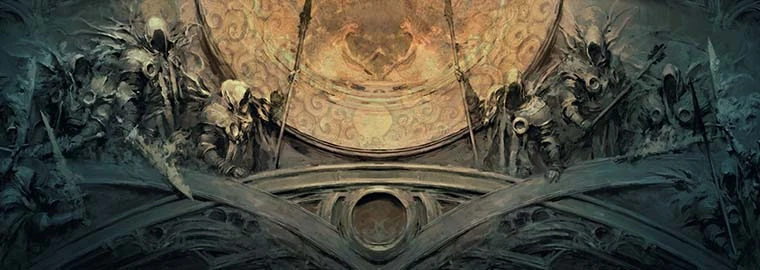
The Soulcast soon became an immense celestial host, forged from the dead and intended to wage war against the forces threatening the Celestials' designs. Under the Primarch's command, they fought across worlds and within the Netherworld itself, becoming warriors of extraordinary resilience who could return from death again and again. During this age, the traditions that would eventually become the Eight Virtues began to emerge, shaped by the experiences of countless Soulcast who fought, died and returned beside one another. Yet their immortality revealed an unforeseen price. Each death and rebirth gradually weakened their connection to their former mortal existence, with memories remaining while their emotional meaning slowly faded. The Soulcast had been given eternity, but they began to discover that eternity could itself become a form of loss.
III. The Unshackling
As the wars continued, the Primarch increasingly questioned the purpose for which he and his people had been created. The Soulcast had been forged as weapons, their eternal existence intended to serve the will of the Celestials, and the Primarch came to see the contradiction between their nature and their imposed purpose. The beings created from the choices and convictions of the worthy dead were themselves denied the freedom to choose their own destiny. Eventually, the Primarch broke the metaphysical shackles placed upon him and rejected the role assigned to him by the Father. He did not abandon the Soul Forge or the souls entrusted to him, however. Instead, he transformed Soulcasting from an act of celestial creation into an act of free choice. From that moment onward, no soul would be compelled to return. Every prospective Soulcast would be offered the Pact and allowed to decide whether eternity was worth its price.
IV. The Age of the Free
Freed from their original purpose, the Soulcast gradually ceased to regard themselves as merely an army and began to develop a civilization of their own. The Eight Virtues: Valor, Justice, Loyalty, Brotherhood, Honour, Death, Wisdom and Duty became the foundation of their philosophy, replacing obedience to the Celestials as the primary measure of a Soulcast's character. They established sanctuaries within the Netherworld and settlements in real space, preserved the histories of their mortal origins and formed relationships with the civilizations they had once encountered only as soldiers. Some remained warriors, while others became explorers, scholars, guardians and guides to the dead. Yet freedom did not free them from the consequences of their immortality. As generations of Soulcast returned from destruction, the Erosion became an increasingly defining aspect of their culture, and the oldest among them began to confront the possibility that even an immortal existence must eventually reach its end.
V. The Age of Chaos
As the galaxy endured successive eras of war and upheaval, the Soulcast found themselves repeatedly drawn toward places where death and the Netherworld had been disturbed. Great conflicts, supernatural phenomena and the emergence of forces associated with Chaos exposed them to threats capable of damaging not merely their manifested forms, but the souls from which those forms were created. Some Soulcast were permanently destroyed by extraordinary weapons or powers, while others endured countless deaths and gradually succumbed to the Erosion, fading completely. Their encounters with Jedi, Sith and other Force traditions further complicated their place within the galaxy, as with every rise and fall of the conflicts of real space, the stakes and powers of the mortals grew and made them ever more dangerous to the Nephilim.
OOC Note: "Celestial Energy" is not intidcating them to be like Celestials, but simply used as term for their divine/angelic-like resemblance and powers, derived from the Celestials.