

Imperial Warlord
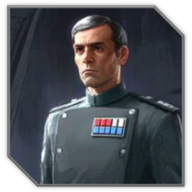




CHARACTER CREATION | NAVY:
"The holovids will show you triumphant captains and heroic pilots. They never show the engineer sealing a bulkhead around his friends or the navigator calculating which ship doesn't have enough fuel to make it home." - Unknown Engineer
Mission Statement:
The mission of the Navy Branch is to create engaging stories centered around leadership, exploration, fleet warfare, logistics, diplomacy, and the immense responsibility that comes with commanding the vessels that keep the Empire alive. While the Army holds worlds, the Navy connects them, supplies them, defends them, and projects Imperial power across the stars. OOCly, the Navy is intended to support a wide variety of stories, from ambitious admirals and political officers navigating high command politics to starfighter aces, explorers, captains, engineers, and logistics specialists keeping the Imperial machine functioning. The focus is on creating competent naval officers and crews whose actions have meaningful impact on the wider direction of the faction.
The Navy is designed to be one of the most active and influential branches within the Imperial Reclamation Authority. Fleet operations, exploration missions, convoy escorts, anti-piracy campaigns, strategic deployments, diplomatic assignments, and large-scale naval engagements all provide opportunities for writers to get involved. We actively encourage captains to develop their own ships and crews, admirals to build rivalries and command networks, and pilots to establish squadrons with distinct identities and reputations. Naval stories are also intended to connect heavily with the rest of the faction, whether that means transporting Army forces into combat zones, supporting Intelligence operations, enforcing Government policy, or competing with other branches for resources and influence. The goal is to ensure that Navy writers always have opportunities to shape both their own stories and the wider narrative of the Authority.
Alright, Let's do this:
When creating a Navy character, the first thing to decide is where they fit within the fleet structure. The Navy is far more than admirals and starfighter pilots. It includes captains, navigators, intelligence officers, logistics specialists, engineers, flight controllers, political officers, explorers, quartermasters, and countless other roles required to keep an interstellar military functioning. Ask yourself what your character actually does aboard a ship or within the wider fleet. Are they a young lieutenant trying to earn their first command? A veteran captain holding together an aging cruiser and exhausted crew? A logistics officer fighting a constant war against fuel shortages and maintenance reports? Starting with a clear role often creates a stronger character than beginning with an elaborate backstory.
Next, think about why your character serves the Empire. Naval personnel often spend years away from planets, operating in the vast emptiness of space where isolation, responsibility, and pressure become a part of daily life. Some officers genuinely believe in the Authority's mission. Others may simply value stability, crave advancement, seek adventure, or have nowhere else to go. Consider how years of service have shaped them. Do they view the Empire as humanity's last hope? Are they ambitious and politically minded? Have they become cynical after watching governments collapse and fleets burn? Strong naval characters are often defined as much by their beliefs and motivations as they are by their rank.
Finally, remember that the Navy is built around relationships and responsibility. Ships are communities, and fleet operations require cooperation between dozens of individuals. Rivalries between captains, friendships among squadron pilots, tensions with Army commanders, disputes with Intelligence operatives, and political struggles within naval leadership are all encouraged. Your character should create opportunities for interaction rather than exist in isolation. Don't worry about starting as a famous admiral or legendary ace pilot. Some of the best stories come from junior officers, struggling commanders, and ordinary crew members slowly earning their place within the fleet. The Navy is a branch where reputation is built over time, and where even a single decision can determine the fate of an entire world.
"A warship is thousands of people placing their lives in the hands of a single decision." - Unknown Admiral
So, what's the difference between the Fleet and the Starfighter Corps:
The Navy Branch is divided into two primary subdivisions: the Fleet and the Starfighter Corps. While both serve under the same command structure and often operate side by side, they offer very different types of stories, responsibilities, and character experiences. Neither is more important than the other; they simply represent different ways of projecting Imperial power throughout the galaxy.
The Fleet encompasses the officers, crew members, engineers, logisticians, navigators, marines, and commanders responsible for operating the Authority's warships and supporting infrastructure. Fleet characters are concerned with strategy, command, diplomacy, exploration, logistics, and the movement of military power across vast distances. They command destroyers, escort convoys, manage supply chains, coordinate invasions, conduct patrols, and make the difficult decisions that determine the success or failure of entire campaigns. If you enjoy leadership, politics, naval warfare, administration, or the challenge of managing large organizations, the Fleet is likely where your character belongs.
The Starfighter Corps, by contrast, focuses on the pilots and support personnel who operate the Authority's fighter craft, bombers, interceptors, and reconnaissance vessels. These characters live much closer to the action, often finding themselves at the center of dogfights, strike missions, patrol operations, and dangerous reconnaissance assignments. The Corps naturally lends itself to more personal and fast-paced storytelling, with squadron rivalries, ace pilots, mentorships, combat deployments, and the constant risk of death becoming central themes. While Fleet officers command the battlefield from the bridge of a warship, Starfighter pilots experience it directly through the cockpit canopy.
OOCly, the distinction largely comes down to the type of stories you enjoy writing. Fleet characters tend to operate on a strategic level, dealing with command, politics, logistics, and long-term military planning. Starfighter Corps characters are generally more tactical and action-oriented, focusing on individual skill, squadron culture, and frontline combat. Both are intended to work closely together, and many of the best Navy stories emerge when the ambitions of admirals, captains, and pilots collide within the same operation.
Alright, what about Ranks/Units:
The Navy uses a straightforward command structure designed to be easy for writers to understand while still supporting meaningful progression, leadership opportunities, and fleet-scale storytelling. At the lower levels are enlisted personnel and junior officers, such as crewmen, petty officers, ensigns, and lieutenants. These characters form the backbone of naval operations and are ideal starting points for new writers. They serve aboard warships, oversee departments, fly starfighters, coordinate maintenance, manage logistics, and participate directly in the day-to-day life of the fleet. These ranks are particularly useful for character-driven stories, allowing writers to develop relationships, rivalries, and reputations without immediately carrying the burden of strategic command.
As characters gain experience and responsibility, they move into the realm of senior officers and command personnel. Captains command individual vessels, while commodores, admirals, and other senior officers oversee task forces, battlegroups, sectors, and major military operations. Unlike smaller stories focused on individual ships or squadrons, these characters operate on a strategic level and are expected to engage with diplomacy, logistics, politics, military planning, and inter-branch cooperation. Navy leadership is also deeply tied into the wider structure of the Imperial Reclamation Authority, meaning senior officers frequently interact with the Army, Intelligence, Government, and Imperial Council in ways that directly shape faction-wide storylines.
The Navy's unit structure is similarly flexible. The smallest and most common unit within the Starfighter Corps is the Squadron, usually composed of multiple pilots operating together under a shared identity, commander, and operational specialty. Squadrons can range from elite interceptor wings and bomber formations to reconnaissance detachments and carrier-based fighter groups. Within the Fleet, the smallest independent command is typically a Ship, ranging from patrol craft and escorts to heavy capital vessels. Multiple ships form a Task Force, several task forces may form a Battlegroup, and larger concentrations of naval power can be organized into Fleets for major campaigns. Writers are encouraged to develop their own ships, squadrons, and formations with distinct histories, traditions, reputations, and personalities.
For an easy to use page regarding these matters, consult the following link located in Resources: [X]
"A pilot's career is a constant struggle between skill, luck, and physics." - Imperial Pilot Handbook
Where do I begin?
Firstly, follow the link below to access the character sheet template, which you can directly copy and paste for your own character creation: [X]
Once your character sheet is completed, post it on the forum and feel free to share it within the Discord so everyone can get to know both you and your character. From there, start chatting with other members, discussing ideas, and finding potential roleplay opportunities within the faction.
After you have settled in and established your character, officially enlist them into the Imperial Reclamation Authority by filling out the quick registration form attached here: [X]
This helps staff keep track of active faction characters and allows us to better involve you in future events, operations, storylines, and faction opportunities.
If you have any questions at any stage, feel free to contact staff through the Discord or reach out directly to
 Cerein Aron
on the forum and most importantly, be excited and have fun.
Cerein Aron
on the forum and most importantly, be excited and have fun. "The stars can be cold, lonely places. Fortunately, none of us sail them alone." - Inscription on the tomb of Ensign Jaine
Last edited: