Liin Terallo
Freedom for New Cov!



The Scar Worlds had acquired a remarkable talent for discouraging visitors.
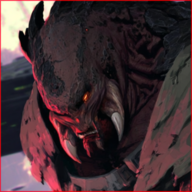
Most people who spoke of them rarely mentioned the geology, the climate, or even the civilizations that had once called these worlds home. Instead, every conversation eventually returned to the same subject: the Draelvasier. Entire sectors whispered about them as though speaking too loudly might somehow invite them back. According to the reports I'd managed to gather, they had finally been destroyed. Whether that was entirely true remained difficult to verify. Rumors, particularly in the Outer Rim, possessed an unfortunate habit of surviving long after the facts had perished.
Fortunately, I wasn't here to investigate monsters.
As the hired transport descended through the planet's thin atmosphere, I remained seated beside the viewport, datapad resting comfortably on my lap while I reviewed the survey maps for what was probably the sixth time. Large regions remained geologically unstable, but that was precisely what interested me. Catastrophic ecological collapse left fingerprints that ordinary worlds simply didn't possess. Mineral composition changed. Microbial communities disappeared or evolved. Soil chemistry developed unusual deficiencies or occasionally, unexpected resilience.
If I ever hoped to improve biomolecular terraforming, then I needed to understand not only how healthy ecosystems functioned, but how broken ones failed.
The transport shuddered gently as it cut through another layer of turbulent air.
A quiet chirp drew my attention downward. My little companion had abandoned it's usual place inside my satchel in favour of climbing into my lap, where it now peered curiously through the transparisteel viewport. It's narrow head tilted first one direction, then the other, studying the scarred landscape below with innocent fascination. It knew nothing of ruined civilizations or extinct horrors. To it, this was simply another place waiting to be explored.
I smiled, resting two fingers lightly against it's back. "I know," I murmured. "It doesn't look particularly welcoming to me either."
The creature answered with another soft chirp before settling against my forearm.
Outside, the landscape stretched endlessly toward the horizon. The scars were visible even from altitude. Great wounds crossed the surface where forests, cities, or oceans might once have existed. Jagged ridges of blackened stone rose from pale ash plains, while enormous impact-like depressions interrupted the terrain with unsettling regularity. Whatever had happened here had done more than destroy life. It had altered the world itself. It was beautiful; in a deeply tragic sort of way.
The pilot's voice crackled over the intercom. "We're approaching the coordinates that you requested."
I looked up from the viewport. Below us sat the remains of what geological surveys suggested had once been a freshwater basin. Devastation had reduced it to cracked sediment and mineral deposits unlike anything found on more stable worlds. If biomolecules could one day restore environments this badly damaged, then understanding places like this would be essential.
The transport settled onto the fractured ground with a muted hiss. For several seconds I remained seated. Not out of fear, but out of habit. Research had taught me that the first moments after arriving somewhere unfamiliar often revealed more than the hours that followed. Wind direction. Ambient sounds. Wildlife. Or the absence of it.
Silence greeted us. Not a peaceful silence, but empty silence. I adjusted the strap of my satchel over my shoulder before collecting my sample cases, scanner, and field kit. The little biomass creature climbed effortlessly onto my shoulder as though it had performed the ritual a hundred times before; which, admittedly, it had.
The boarding ramp lowered with a slow mechanical whine. Cold, dry air drifted into the cabin, carrying the faint scent of dust and scorched stone.
I took my first step onto the Scar World. "I should only need a few soil samples," I said quietly, more to reassure the pilot than myself. "With a little luck, we'll be on our way home before sunset." It was, I reflected as my boots settled into ash; the sort of sentence that people often said immediately before discovering they had been spectacularly optimistic.
Tag: Kharon
Most people who spoke of them rarely mentioned the geology, the climate, or even the civilizations that had once called these worlds home. Instead, every conversation eventually returned to the same subject: the Draelvasier. Entire sectors whispered about them as though speaking too loudly might somehow invite them back. According to the reports I'd managed to gather, they had finally been destroyed. Whether that was entirely true remained difficult to verify. Rumors, particularly in the Outer Rim, possessed an unfortunate habit of surviving long after the facts had perished.
Fortunately, I wasn't here to investigate monsters.
As the hired transport descended through the planet's thin atmosphere, I remained seated beside the viewport, datapad resting comfortably on my lap while I reviewed the survey maps for what was probably the sixth time. Large regions remained geologically unstable, but that was precisely what interested me. Catastrophic ecological collapse left fingerprints that ordinary worlds simply didn't possess. Mineral composition changed. Microbial communities disappeared or evolved. Soil chemistry developed unusual deficiencies or occasionally, unexpected resilience.
If I ever hoped to improve biomolecular terraforming, then I needed to understand not only how healthy ecosystems functioned, but how broken ones failed.
The transport shuddered gently as it cut through another layer of turbulent air.
A quiet chirp drew my attention downward. My little companion had abandoned it's usual place inside my satchel in favour of climbing into my lap, where it now peered curiously through the transparisteel viewport. It's narrow head tilted first one direction, then the other, studying the scarred landscape below with innocent fascination. It knew nothing of ruined civilizations or extinct horrors. To it, this was simply another place waiting to be explored.
I smiled, resting two fingers lightly against it's back. "I know," I murmured. "It doesn't look particularly welcoming to me either."
The creature answered with another soft chirp before settling against my forearm.
Outside, the landscape stretched endlessly toward the horizon. The scars were visible even from altitude. Great wounds crossed the surface where forests, cities, or oceans might once have existed. Jagged ridges of blackened stone rose from pale ash plains, while enormous impact-like depressions interrupted the terrain with unsettling regularity. Whatever had happened here had done more than destroy life. It had altered the world itself. It was beautiful; in a deeply tragic sort of way.
The pilot's voice crackled over the intercom. "We're approaching the coordinates that you requested."
I looked up from the viewport. Below us sat the remains of what geological surveys suggested had once been a freshwater basin. Devastation had reduced it to cracked sediment and mineral deposits unlike anything found on more stable worlds. If biomolecules could one day restore environments this badly damaged, then understanding places like this would be essential.
The transport settled onto the fractured ground with a muted hiss. For several seconds I remained seated. Not out of fear, but out of habit. Research had taught me that the first moments after arriving somewhere unfamiliar often revealed more than the hours that followed. Wind direction. Ambient sounds. Wildlife. Or the absence of it.
Silence greeted us. Not a peaceful silence, but empty silence. I adjusted the strap of my satchel over my shoulder before collecting my sample cases, scanner, and field kit. The little biomass creature climbed effortlessly onto my shoulder as though it had performed the ritual a hundred times before; which, admittedly, it had.
The boarding ramp lowered with a slow mechanical whine. Cold, dry air drifted into the cabin, carrying the faint scent of dust and scorched stone.
I took my first step onto the Scar World. "I should only need a few soil samples," I said quietly, more to reassure the pilot than myself. "With a little luck, we'll be on our way home before sunset." It was, I reflected as my boots settled into ash; the sort of sentence that people often said immediately before discovering they had been spectacularly optimistic.
Tag:
Kharon