

Sith Tomb King
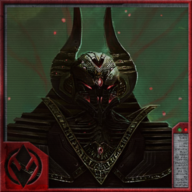




- Intent: To make a fun grimoire for my Sith Lich
- Image Credit: Generated with Sora
- Canon: N/A
- Permissions: N/A
- Links: [ Provide links to any relevant threads, characters, companies, locations, etc here. Canon or otherwise. Especially obscure references, or events important to the submission.]
- Media Name: Dihasa iw Kûts, "Book of Death"
- Format: Book
- Distribution: Unique
- Length: Long
- Description: The Book of Death is Erebus Ignosi's private tome full of accumulated knowledge and personal musings on the nature of things such as the Force, life, and death.
- Author: Erebus Ignosi
- Publisher: N/A
- Reception: N/A
The Book of Death is a tome bound in black tuk'ata leather, containing many vellum pages filled with writing in the ur-Kittât script.
CONTENT INFORMATION
The Book of Death is a tome detailing Erebus Ignosi's musings into the nature of life, death, and the Force, as well as his experimentation with Alchemy and Necromancy. The following are a selection of excerpts from its vast pages.
The Prison of Life
"Life is a brief and trembling spark yet the living speak of it with such pride, as though the Force gifted them a crown. They cling to breath and heartbeat as if these were divine virtues, blind to the truth that life is but the first shackle the Force places upon its servants.
I was born under this delusion, as all beings are. But I have cast it aside. Life is not sacred. Life is raw material, soft clay to be shaped, broken, reforged. Only those who dare to sculpt it by their will alone deserve to call themselves masters of the Force."
The Lie of Death
"The Jedi proclaim that death is the will of the Force. The Sith mutter that death is a tool. Both are children reciting doctrines they dare not question.
Death is neither will nor tool. Death is a wall built of ignorance, maintained by cowards, upheld by fools. I have broken this wall. I do not merely walk beyond death, I sit upon a throne built from its shattered stones. And from that vantage, I see the truth: the finality of death exists only for those too weak to confront its illusion."
The Nature of Fools and the Force
"Those who kneel before the Force disgust me most of all. They treat the infinite as an idol, a deity, a parent. How pitiful. How small-minded. The Force is vast, yes. But it is also capricious, chaotic, and unrefined. Only through domination does one carve meaning from its currents. Power is not granted; it is harvested, seized, and bent.
To worship the Force is to imprison oneself. To command it is to transcend."
The Power of Gods
"Alchemy is the language of transformation, the grammar of suffering, the poetry of will imposed on matter. A corpse is merely flesh that has forgotten how to obey. Alchemy teaches it to remember. Through flame, ichor, and sigil, the body becomes canvas. Through intention, it becomes vessel. Through obsession, it becomes eternal. The living fear corruption. I cherish it. Only rotten soil grows the strongest roots.
Many chase apotheosis by seeking harmony, balance, ascension. Fools, all of them. Godhood is not found above life but beneath it, buried in the marrow of death itself. For what being can claim divinity if it remains bound by decay, by time, by the end?
Overthrow death, and you surpass the gods. Command the grave, and the stars themselves bow."
Apotheosis
"Lichdom is not a curse, nor is it a blessing. It is a declaration. Flesh yields. Spirit endures. Will reigns.
I discarded mortality as a serpent discards its skin: because it no longer served me. Now I persist not through the Force's mercy, but through defiance of it. My existence is my victory. Let the Jedi find enlightenment in dissolution. Let the Sith seek power through passion. I have taken both and surpassed them. I am not alive. I am not dead.
I am inevitable."
"Life is a brief and trembling spark yet the living speak of it with such pride, as though the Force gifted them a crown. They cling to breath and heartbeat as if these were divine virtues, blind to the truth that life is but the first shackle the Force places upon its servants.
I was born under this delusion, as all beings are. But I have cast it aside. Life is not sacred. Life is raw material, soft clay to be shaped, broken, reforged. Only those who dare to sculpt it by their will alone deserve to call themselves masters of the Force."
The Lie of Death
"The Jedi proclaim that death is the will of the Force. The Sith mutter that death is a tool. Both are children reciting doctrines they dare not question.
Death is neither will nor tool. Death is a wall built of ignorance, maintained by cowards, upheld by fools. I have broken this wall. I do not merely walk beyond death, I sit upon a throne built from its shattered stones. And from that vantage, I see the truth: the finality of death exists only for those too weak to confront its illusion."
The Nature of Fools and the Force
"Those who kneel before the Force disgust me most of all. They treat the infinite as an idol, a deity, a parent. How pitiful. How small-minded. The Force is vast, yes. But it is also capricious, chaotic, and unrefined. Only through domination does one carve meaning from its currents. Power is not granted; it is harvested, seized, and bent.
To worship the Force is to imprison oneself. To command it is to transcend."
The Power of Gods
"Alchemy is the language of transformation, the grammar of suffering, the poetry of will imposed on matter. A corpse is merely flesh that has forgotten how to obey. Alchemy teaches it to remember. Through flame, ichor, and sigil, the body becomes canvas. Through intention, it becomes vessel. Through obsession, it becomes eternal. The living fear corruption. I cherish it. Only rotten soil grows the strongest roots.
Many chase apotheosis by seeking harmony, balance, ascension. Fools, all of them. Godhood is not found above life but beneath it, buried in the marrow of death itself. For what being can claim divinity if it remains bound by decay, by time, by the end?
Overthrow death, and you surpass the gods. Command the grave, and the stars themselves bow."
Apotheosis
"Lichdom is not a curse, nor is it a blessing. It is a declaration. Flesh yields. Spirit endures. Will reigns.
I discarded mortality as a serpent discards its skin: because it no longer served me. Now I persist not through the Force's mercy, but through defiance of it. My existence is my victory. Let the Jedi find enlightenment in dissolution. Let the Sith seek power through passion. I have taken both and surpassed them. I am not alive. I am not dead.
I am inevitable."
HISTORICAL INFORMATION
The Book of Death, or Dihasa iw Kûts in its author's native tongue, is the personal codex of former Kissai priest and Sith Lich Erebus Ignosi. Erebus began writing the tome following his branding as a heretic by his fellow Kissai, and continued to keep utilizing it to write down his private musings, as well as notes on Sith Alchemy and Necromancy as he began to research into seeking immortality through lichdom.
Within the pages are various incantations, spells, and rituals, and detailed results of Erebus' experimenting with Sith Magic, as well as much philosophizing about the nature of life, death, and the Force, and the rightful place of those who can command them. In his writings Erebus posited that those with a strong grasp of the Force should be worshipped as deities, or greater, rather than worshipping the Force itself.

Last edited: