

sᴋʏ-ʙᴏʀɴᴇ ᴅᴇɴꜰʀᴀɴᴅɪ
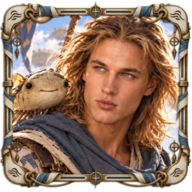




CODEX LORE // CULTURAL SUBMISSION
THE DENFRANDI TRIBES
x
SKY-BORNE COMMUNITIES // WIND-CARRIED HOMES // SLEFT-CHUFFNI CULTURE
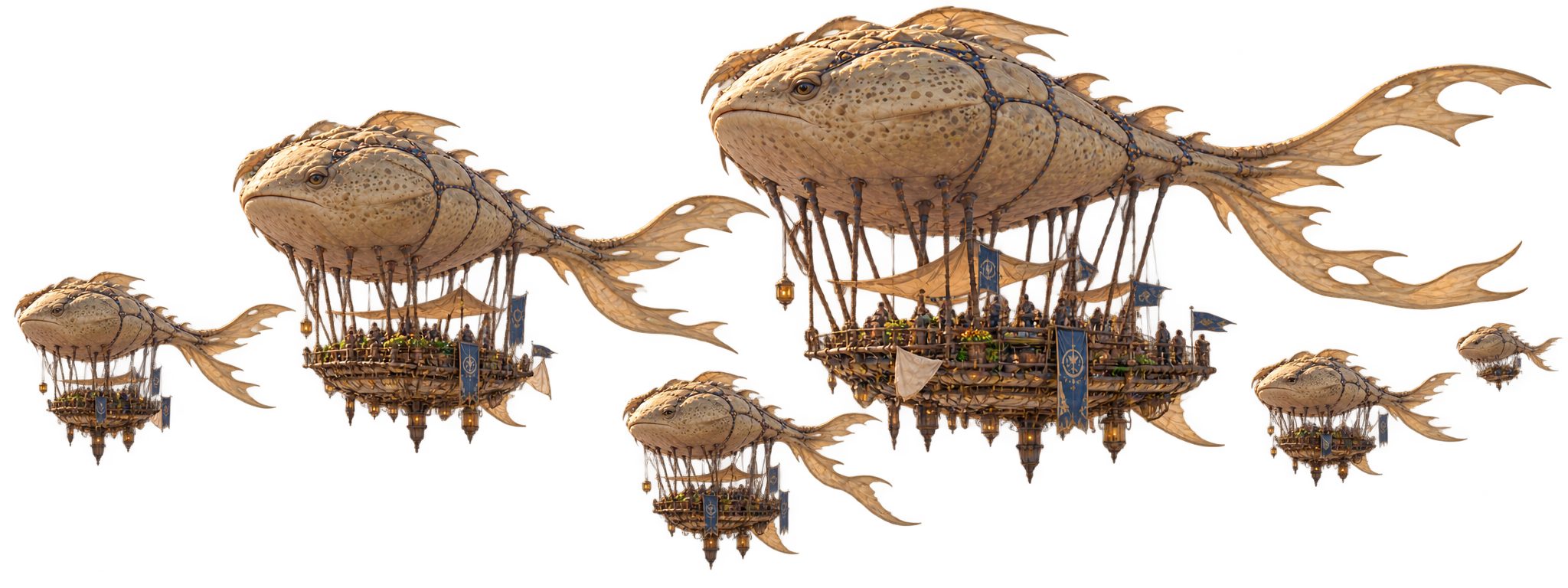
A people of open skies, drifting settlements, and living flotilla villages suspended beneath immense sleft-chuffs. This submission expands Denfrandi culture, customs, and social life.
OUT OF CHARACTER INFORMATION
◇
Intent: To expand the Denfrandi of Taloraan, established in Legends, into a cultural submission for Star Wars RP: Chaos. It covers the tribes, airborne settlements, naming customs, everyday life, spiritual traditions and history, while leaving space for other writers to create Denfrandi characters and communities of their own.
◇
Image Credit: Chatgpt
◇
Canon: Denfrandi (Legends).
◇
Permissions: N/A
◇
Links: Taloraan (Legends) | Sleft-chuff (species) / sleft-chuffni (airships) | Fleft-wauf (Legends) | Wind Raiders (Legends) | Dominion of Taloraan (One Sith OOC planning and setting reference) | Cloudy with a Chance of Sith (Galactic Alliance intervention, IC) | Every Day a Little Death (First Order dominion, IC) | 902 ABY: Planeshift (Chaos timeline) | The Denfrandi [Canon] (companion Species Codex)
GENERAL INFORMATION
◇
Name: Denfrandi
◇
Classification: A cultural and ethnic people of Human ancestry, made up of numerous tribes and communities native to Taloraan. The separate Denfrandi species submission covers their biological characteristics.
◇
Origins: Taloraan, Kelavine system. Their traditional origin account describes survivors of an ancient crashed starship; the date and precise circumstances of their arrival are uncertain.
◇
Affiliation: Denfrandi loyalties usually lie with their tribe, household and travelling community. There is no authority recognised by all tribes, and their dealings with Taloraan's planetary administration or offworld governments have varied over time.
◇
Symbol: The Denfrandi have no common emblem. Tribes distinguish their gondolas and equipment with woven patterns, painted markings, pennants or identifying colours, often chosen for visibility across a flotilla. Designs differ between communities.
◇
Domain: Taloraan's habitable upper atmosphere, especially the routes travelled by sleft-chuffni and their gondola flotillas. Communities also trade with fixed settlements and facilities, including Taloraan City, and some maintain closer ties to them. A tribe's customary territory is usually described by its routes and gathering places. Several groups may travel the same winds at different times without treating the area as exclusive property.
◇
Estimated Population: Planetary. The Denfrandi have numerous communities across their homeworld; no reliable contemporary census of their total population or individual tribes is asserted here.
◇
Demographics: Predominantly Denfrandi of Human ancestry. Spouses, adopted children and long-term residents from elsewhere may also become part of a community, including people born outside Taloraan. Acceptance varies between tribes, and residents of a Denfrandi gondola need not all share the same ancestry.
◇
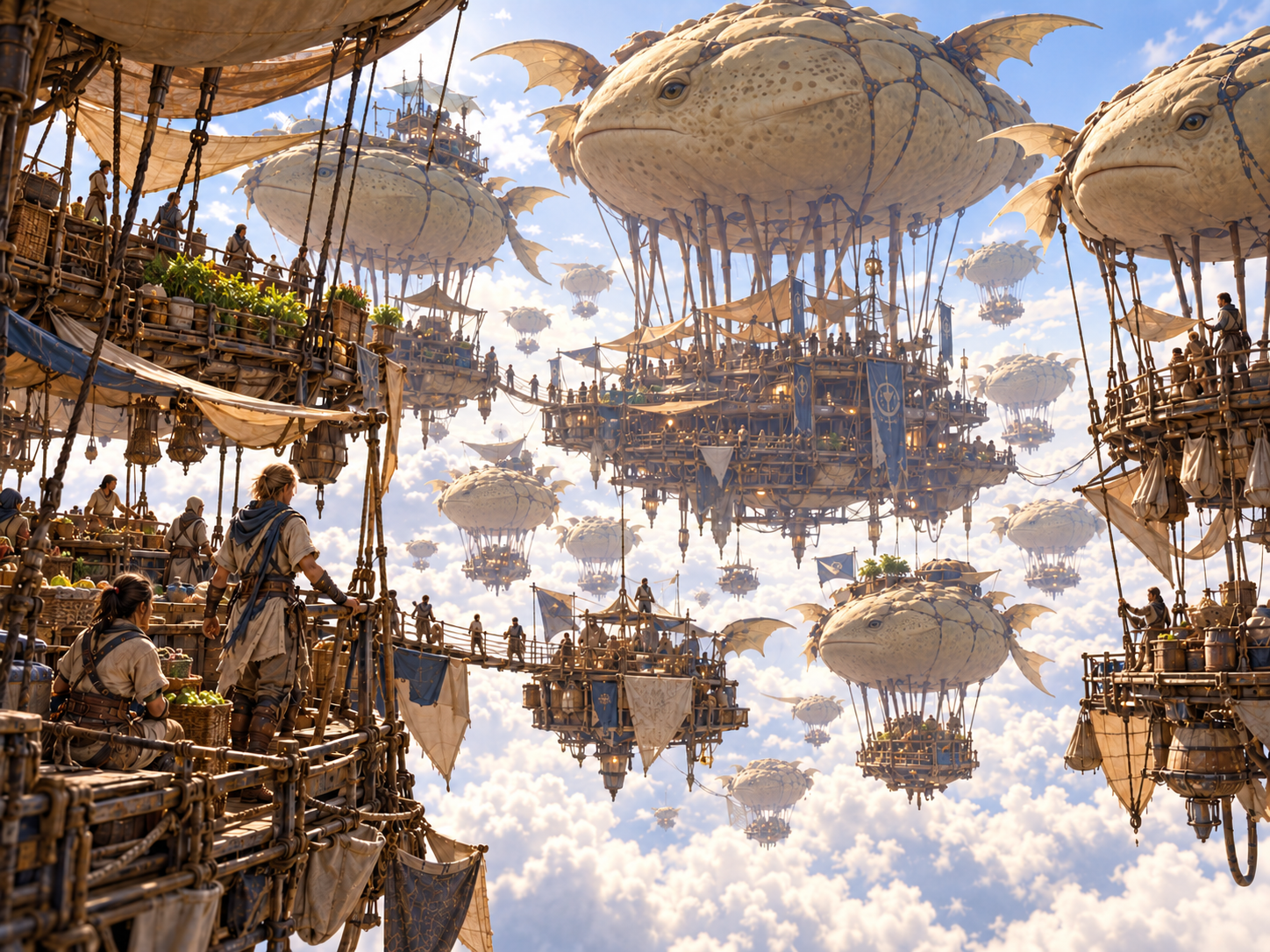
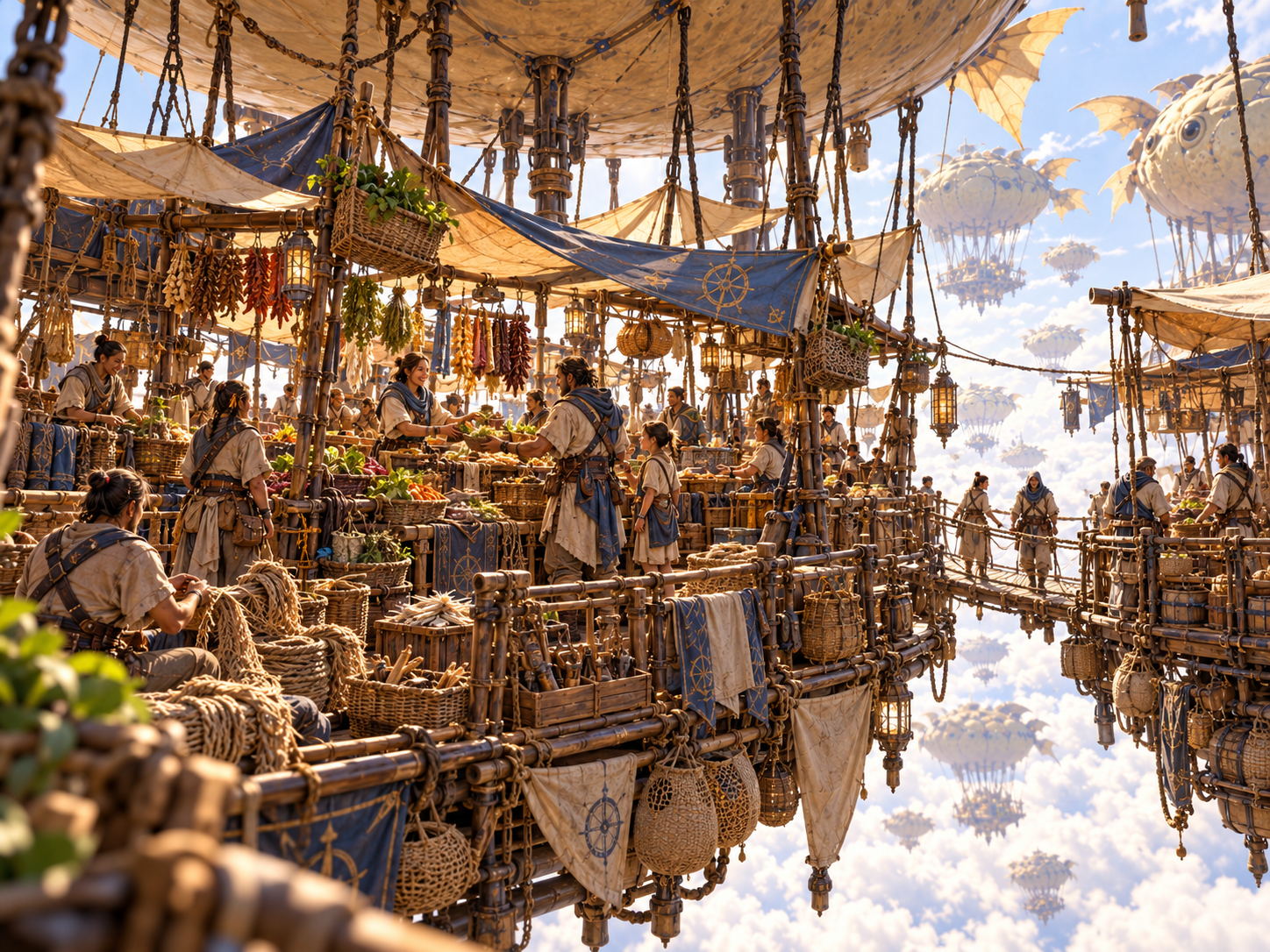
Description: The Denfrandi live in Taloraan's skies, travelling in flotillas of sleft-chuffni, the living airships formed by domesticated sleft-chuffs and their suspended gondolas. Their households move through powerful wind belts and changing weather, supported by generations of experience caring for the animals that bear them. A flotilla may include growing decks, workshops, family homes, market spaces and communal halls. Larger communities function much like villages, with trades, neighbours and everyday routines of their own.
The Denfrandi tribes have differing attitudes toward conflict, with some favouring diplomacy and trade while others maintain established martial traditions. Attacks during later galactic conflicts encouraged many communities to strengthen their defences. Their customs share familiar features across Taloraan, with considerable differences in governance, occupations and attitudes to outsiders.
PHYSICAL INFORMATION
◇
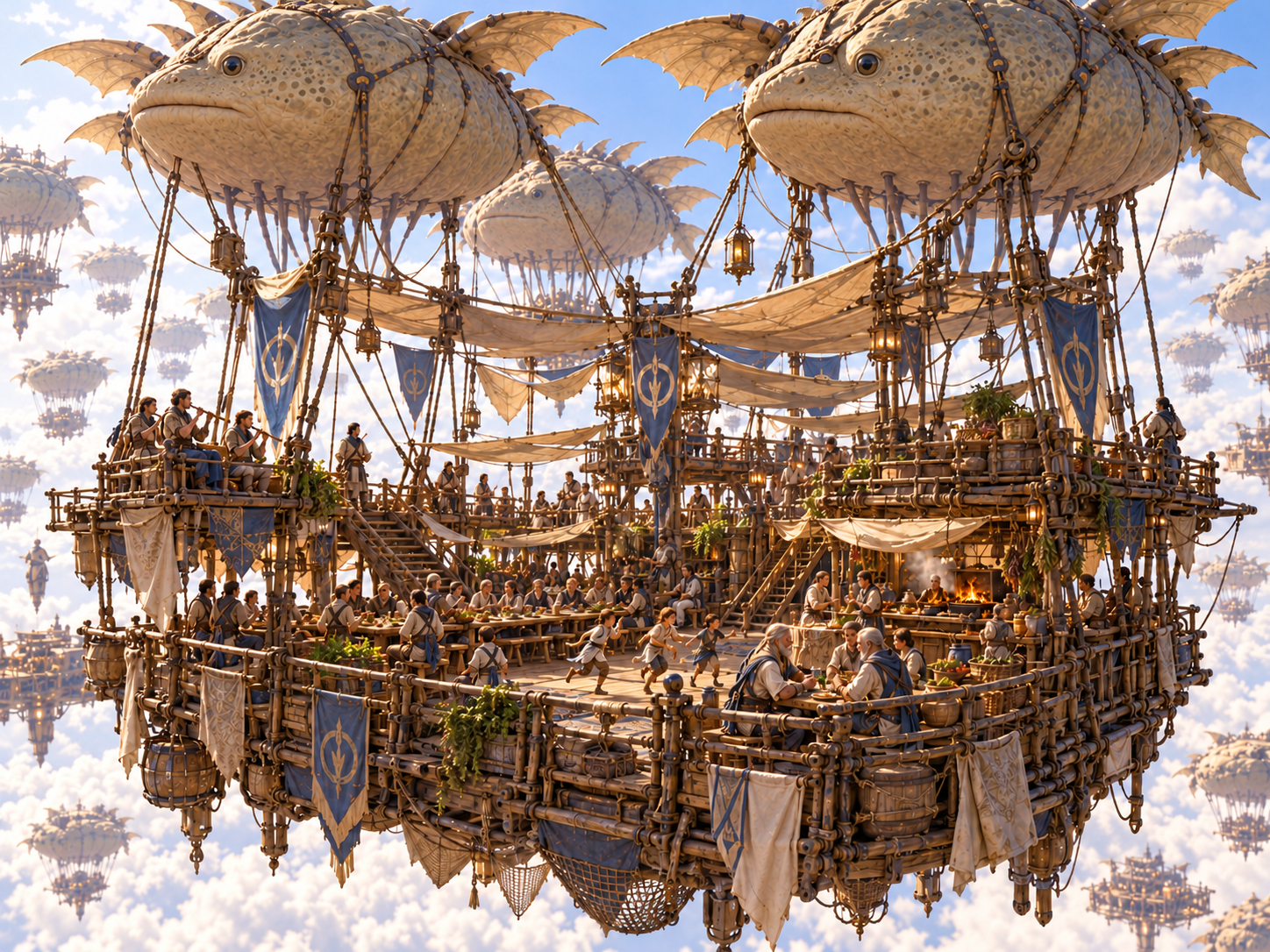
Distinctions: Traditional sky-dwellers wear layered wraps to protect their faces, necks and limbs from wind exposure. Outer clothing is secured close to the body, with sturdy footwear, harnesses and grappling lines suited to movement between gondolas. Plant-fibre fabrics, leather and other locally available materials are common. Colours and patterns sometimes distinguish households, makers or tribes. Grappling hooks are everyday tools and can also be used as weapons. Those raised on a flotilla usually learn to balance on moving decks, work with ropes and handle heights from childhood. Any inherited physiological adaptations belong in the separate species Codex.
◇
Force Sensitivity: Standard. Some Denfrandi are Force-sensitive; many are not. Belief in the True Wind is part of wider Denfrandi culture, and practices associated with it are taught to people regardless of ability. Sensitivity and conscious Force use remain individual gifts, not something acquired by completing a traditional exercise.
SOCIAL INFORMATION
◇
Membership: People usually belong to the tribe that raises them. Marriage, adoption, migration and long residence can also bring someone into a new community, subject to that tribe's customs and the acceptance of its members. Households, and sometimes their gondolas, may move between flotillas. An individual can acknowledge family ancestry in other tribes without carrying every affiliation in their name.
Each community manages membership for itself. OOC: This submission is intended as an open cultural framework. Other writers may create additional Denfrandi tribes, families and communities consistent with the wider setting and existing lore.
◇
Climate: Flotilla life brings people into regular contact with neighbours and relatives. Much of the day's work is done in company, with conversations continuing through repairs, food preparation and visits between gondolas. Meals, games and music bring people together after work or during stretches of easy weather. Larger communities may have a hall for gatherings; smaller fleets use whatever deck or household can accommodate everyone.
There is room for arguments, rivalries and people who prefer their own company. Some tribes welcome visitors readily, while others have grown wary after periods of violence or isolation.
◇
Reputation: Denfrandi are recognised for their skyfaring skills, and many flotillas are hospitable to travellers. Some tribes favour trade and negotiation; others maintain experienced warriors and aerial defenders. Merchants, navigators and hosts are accustomed to meeting travellers, though a threatening approach to a flotilla may be met with force. Memories of the One Sith period differ between communities. Some have resumed older trade relationships; others now question unfamiliar crews closely and keep defenders near their homes.
◇
Curios: Windwraps, grappling hooks, safety tethers and climbing harnesses are familiar possessions among the sky-tribes. Handmade hooks, inherited ropework and embroidered wraps may be kept for their association with a family member or a particular journey. The animals themselves are also deeply familiar to their handlers. Sleft-chuffs carrying shared public gondolas are known individually and cared for by the wider community, especially when they belong to a bonded pod.
◇
Philosophy: The True Wind is the Denfrandi name for a current that some people claim to feel beyond the ordinary movement of Taloraan's atmosphere. Everyone who grows up among the gondolas learns that a pressure change can warn of a storm, or a sudden turn in the wind can decide the safety of a journey. Stories also tell of people who knew a squall was coming under a clear sky, turned to meet someone before hearing them approach, or moved away from danger without seeing it. The Denfrandi describe these experiences as feeling the True Wind.
No one account of the True Wind is accepted across all tribes. Some elders speak of a current running below the winds familiar to navigators. Others describe it as a wind that reaches a traveller before the weather does.
It has no agreed moral nature. Someone able to feel it might bring a flotilla safely through a storm, lead a rival into danger or use the talent for their own ends. What matters to the people around them is what they choose to do.
For most Denfrandi, the True Wind is part of stories, sayings and habits learned growing up. A traveller who later meets Jedi or other Force traditions may recognise something familiar in their teachings. Denfrandi accounts developed independently of those orders. The True Wind is the Denfrandi understanding of the Force.
◇
Outward Views: Contact with the wider world has always differed between tribes. Many trade regularly, host visitors or travel beyond Taloraan, and practical offworld tools are used where they prove worthwhile. Others have fewer dealings with strangers, sometimes by choice and sometimes because of old losses, stolen homes or occupation. Attitudes toward aliens, Jedi, Sith and planetary authorities are shaped by the people a tribe has encountered and the history it remembers.
◇
The Arts: Music is part of ordinary life aboard the flotillas. Flutes, reed pipes, whistles and other wind instruments are played in sheltered halls and on residential decks, often with drums, clappers or singing. Someone might play through a meal, accompany a group at work or fill a quiet afternoon with a familiar tune.
Stories are shared just as freely: unusual voyages, storms survived, family disagreements and encounters with strangers are all subjects worth retelling. People play dice, cards and games with carved pieces; in fair weather, climbing and balance contests draw competitors and spectators. Woven cloth and ropework may also carry decorative designs particular to a maker or family. Each tribe has its own favourites, and new songs and games travel with visitors.
◇
Architecture: Denfrandi settlements are made up of gondolas suspended beneath trained sleft-chuffs, forming living airships known as sleft-chuffni. Some hold only one household. Others have room for several families or combine living quarters with a workshop or business. Larger flotillas maintain vessels fitted for agriculture, livestock, kitchens, food processing, water storage, cloth-making, equipment repairs, trade and public gatherings. Their uses often overlap. A market deck can host an evening meal or a performance, and family quarters may have space set aside for a trade.
Public gondolas are a feature of some larger clans. A spacious hall, market or common store may hang beneath a bonded group of three or four mature sleft-chuffs instead of one carrier. The animals, often females raised together or accustomed to moving as a herd, are trained to follow shared directions and maintain their formation. Adjustable suspension lines and a system of distributed harnesses allow for differences in height, movement and loading. The arrangement needs constant inspection, capable handlers and procedures for emergencies.
An individual sleft-chuff can carry approximately 50 tonnes according to Taloraan setting references, allowing even single-carrier gondolas to contain substantial living or working space. Combined lifting capacity makes a larger vessel possible, though the structure, occupants, supplies and water must all remain within the animals' safe carrying limits. Handling a public gondola is consequently more demanding than managing an ordinary family home.
Lightweight frames, woven panels, flexible joints, covered passages and shutters that can be secured against the wind are common building features. Neighbouring gondolas may be joined by bridges or transfer lines in favourable conditions; during rough weather, crews increase their spacing and restrict crossings. Gathering decks often have shelter on the windward side with open areas looking out over the sky.
A flotilla also has to accommodate the animals carrying it. Their health, feeding and behaviour affect where its vessels can travel and how closely they can fly. Experienced handlers therefore carry considerable responsibility for everyone aboard.
◇
Habits: People who grow up on gondolas get into the habit of tying down loose belongings, keeping track of their footing and noticing a change in the wind or the pull on a nearby line. Conversation accompanies much of the day's work. Several people may sit together while one repairs a harness or prepares food, with others joining or leaving as they please.
The Blind Sail is a traditional exercise in awareness. Students close or cover their eyes and learn to attend to changes in airflow, pressure, sound and their own balance, as well as activity nearby. They begin somewhere secure. More demanding practice takes place on exposed decks, with safety lines and experienced supervision. For most, it improves concentration and their understanding of the space around them. A person sensitive to the True Wind may eventually notice movement or imminent danger before any ordinary warning reaches them. Teachers explain such moments in terms of unseen currents and disturbances in the air.
◇
Lifestyle: A Denfrandi flotilla is a village that moves with its homes, workspaces and gathering places. Some number only a handful of gondolas. Others carry enough people to support specialised trades and large public vessels. Families may live alongside several generations of relatives, and children grow up among familiar neighbours, working decks, regular visitors and the sleft-chuffs whose care forms part of daily life. Merchants and travellers can join a flotilla for a time and depart when their routes separate.
Work includes tending animals, guiding the fleet, maintaining suspension lines, growing food, looking after supplies, making clothes, teaching, cooking and repairing equipment. People learn trades according to their interests, abilities and their community's needs, rather than following a single system of inherited rank. Most tribes use technology when it helps them: communicators, navigation equipment, lighting, medical supplies and imported household goods can all have a place aboard. The degree of access varies, especially between remote fleets and communities that trade frequently. Much of their daily work can still continue if offworld shipments or fixed power supplies become unavailable.
Movement also helps them manage the seasons. A flotilla may follow a route with more favourable warmth, light or moisture and organise planting so that crops mature at different times. Carrying enough soil, water, nutrients and growing space remains a constant concern, and a change in weather can still spoil a harvest. Visits between tribes are opportunities to trade goods, exchange seeds and news, see relatives or spend several days travelling together before their courses part.
◇
Laws: Denfrandi tribes govern themselves under their own customs. Authority may rest with elders, experienced animal handlers, elected representatives or other people trusted by the community. The dangers of life aloft nevertheless produce familiar expectations across many flotillas. Deliberately damaging rigging, neglecting or harming the sleft-chuffs, stealing emergency supplies, or knowingly leaving someone stranded in dangerous weather can put numerous households at risk and is usually taken seriously. Visitors are expected to observe the rules of the flotilla hosting them, whatever their own tribal affiliation.
◇
Customs & Traditions: Names and tribal belonging: Denfrandi traditionally receive one personal name, used by family, friends and neighbours, sometimes in a shortened form. A formal introduction adds tribal affiliation: Soravar of the Gales. The designation identifies where a person belongs and need not be a surname inherited unchanged from one generation to the next. Many tribal names refer to winds, weather or conditions in the sky. The names recorded below are only examples of a much larger number of communities.
Cross-tribal marriages: A marriage between people from different tribes may be reflected in a shared compound name, such as Gales-Mists or Mists-Gales. The couple chooses the order; neither gender nor the standing of a particular tribe determines it. Both affiliations remain recognisable, though the couple has not founded a new tribe. Their children may use the compound name too. If one of those children later marries into a third tribe, the clan where they were raised or have since made their home is normally the one carried forward. Someone of the Gales-Mists raised among the Mists who marries a member of the Frost, for example, may become Mists-Frost or Frost-Mists. Older affiliations remain in family memory without being added to each new generation's name. Individual tribes may observe the custom with local variations, particularly when people relocate.
Hospitality: Helping a traveller caught in dangerous weather is widely considered proper conduct. Water, temporary shelter and assistance with an injured animal or damaged rigging are offered where a community can provide them. The host flotilla still decides which areas visitors may enter and what supplies it can spare. A stranger might be invited into the public hall while homes, stores and working decks remain closed to them.
Meetings and celebrations: Safe meetings between flotillas often become occasions for extended visits. Relatives see one another, merchants set out their goods, and shared meals, music, games and storytelling continue as long as the weather and the fleets' plans permit. Smaller gatherings happen throughout the year. Much of this is ordinary social time, with formal festivals differing from tribe to tribe.
Examples of known tribes: The following are examples of Denfrandi tribes found in different parts of Taloraan's atmosphere. Their routes and particular skills have earned them reputations.
◇
Gales: A powerful tribe accustomed to the high-velocity wind belts, known for their formidable flotillas, experienced warriors and skilled fleft-wauf riders. Their aerial defenders are particularly respected for their ability to engage threats in dangerous atmospheric conditions.
◇
Squalls: Known for aggressive aerial tactics, sudden attacks and rapid manoeuvring through unstable weather. Their warriors favour speed and surprise, often exploiting violent weather to approach enemies from unexpected directions.
◇
Drafts: Experienced in following strong vertical currents and navigating steep changes between habitable atmospheric layers.
◇
Thermals: Favour rising warm currents and are recognised in some regions for patient navigation and a reflective approach to the True Wind.
◇
Mists: Familiar with cloud-heavy routes where sight is unreliable, encouraging close attention to sound, distance and reliable navigation markers.
◇
Vapors: Associated with moisture gathering, rain-harvesting equipment and working in dense cloud formations.
◇
Frost: Communities accustomed to colder upper routes and the extra demands they place upon clothing, stores and animal care.
◇
Void: Travellers of long, relatively open stretches between major cloud systems, where distance and isolation shape navigation and supplies.
◇
Currents: Noted for maintaining inherited knowledge of routes, seasonal weather and meeting places used by several tribes.
◇
Education & Training: Denfrandi children learn much of what they need by helping with daily work. They begin with safety lines, moving between gondolas, recognising troublesome weather, looking after equipment and treating the animals carrying their homes properly. Reading, counting, household tasks and family or tribal history are taught alongside those skills.
Older children may learn from navigators, growers, healers, handlers, builders, merchants and other specialists. The Blind Sail may be introduced as an exercise in attention, with exposed-deck practice reserved for students old enough to understand the risks. Some flotillas have schools or travelling tutors and use teaching equipment from offworld. Facilities and expectations vary across the tribes.
◇
Diet: Traditional flotillas draw much of their water from rainfall and the moisture in cloudbanks. Catchment cloths and gutters feed secured storage bags aboard the gondolas. Collectors may also be attached to a sleft-chuff's harness, with handlers guiding the animal through suitable rain-bearing weather where it can be done safely. Collected water is treated or filtered, then stored with care for the considerable weight it adds to the vessel. A good supply matters, but so does the ability to carry it.
Agricultural gondolas carry secured planters and growing beds for edible leaves, grains, other useful crops and plants grown for their fibres. The Denfrandi have cultivated suitable varieties over many generations. Composting and reuse of organic waste help sustain the limited growing medium, and seed stocks are carefully kept for later seasons. By moving to favourable atmospheric conditions, flotillas can stagger planting and obtain more than one harvest when conditions permit. Growing space, water and nutrients still set the limits.
Communities with the necessary room and feed may keep small livestock in pens for meat and useful by-products. Drying, smoking and fermentation help preserve food for long journeys or poor seasons. Imported goods supplement local provisions when trade is available. Meals are frequently shared, with recipes and dietary preferences varying between tribes.
◇
Communication: Denfrandi speak Basic, with older regional expressions and local words in use among different tribes. Speech does not carry reliably across exposed decks, so crews also rely on whistles, pipes, horns, pennants and agreed signals made along lines or rigging.
Signals differ from one flotilla to another, especially where communities have travelled separately for generations. Lighting and electronic communications can be used at night or in difficult conditions. These are practical signalling methods learned through experience, available to Denfrandi whether or not they are sensitive to the True Wind.
STRENGTHS
◇
Skyfaring experience: Generations of travelling through Taloraan's atmosphere have produced capable navigators, climbers, rescuers, suspended-structure builders and sleft-chuff handlers. Knowledge of the local winds can give a flotilla a considerable advantage in its own skies.
◇
Mobile, cooperative communities: Food growing, rain collection, shared animal care and a range of trades allow many flotillas to manage without fixed settlements or regular offworld supply. They can change routes when conditions worsen and lend help to other communities when their journeys bring them together. During the Gulag Plague and its aftermath, these arrangements helped some flotillas endure prolonged isolation.
WEAKNESSES
◇
Living infrastructure: The safety of a flotilla depends on the sleft-chuffs carrying its gondolas and on the rigging securing them. An ill animal, a damaged harness or violent weather may threaten homes, stores and everyone aboard them. Public gondolas borne by bonded groups require several animals to fly and respond together. Problems with one carrier can affect the whole arrangement, particularly under attack or in rough air.
◇
Limited resources and exposed defences: Growing space, freshwater, animal feed, cargo weight and access to reliable routes limit the size and independence of a flotilla. Migration cannot guarantee a harvest, and isolated communities may wait a long time for outside help. Their suspended homes are exposed to modern starfighter weapons and heavy military equipment. Fleft-wauf riders can use the weather to defend them, but remain at serious risk against armed aircraft in open combat.
HISTORICAL INFORMATION
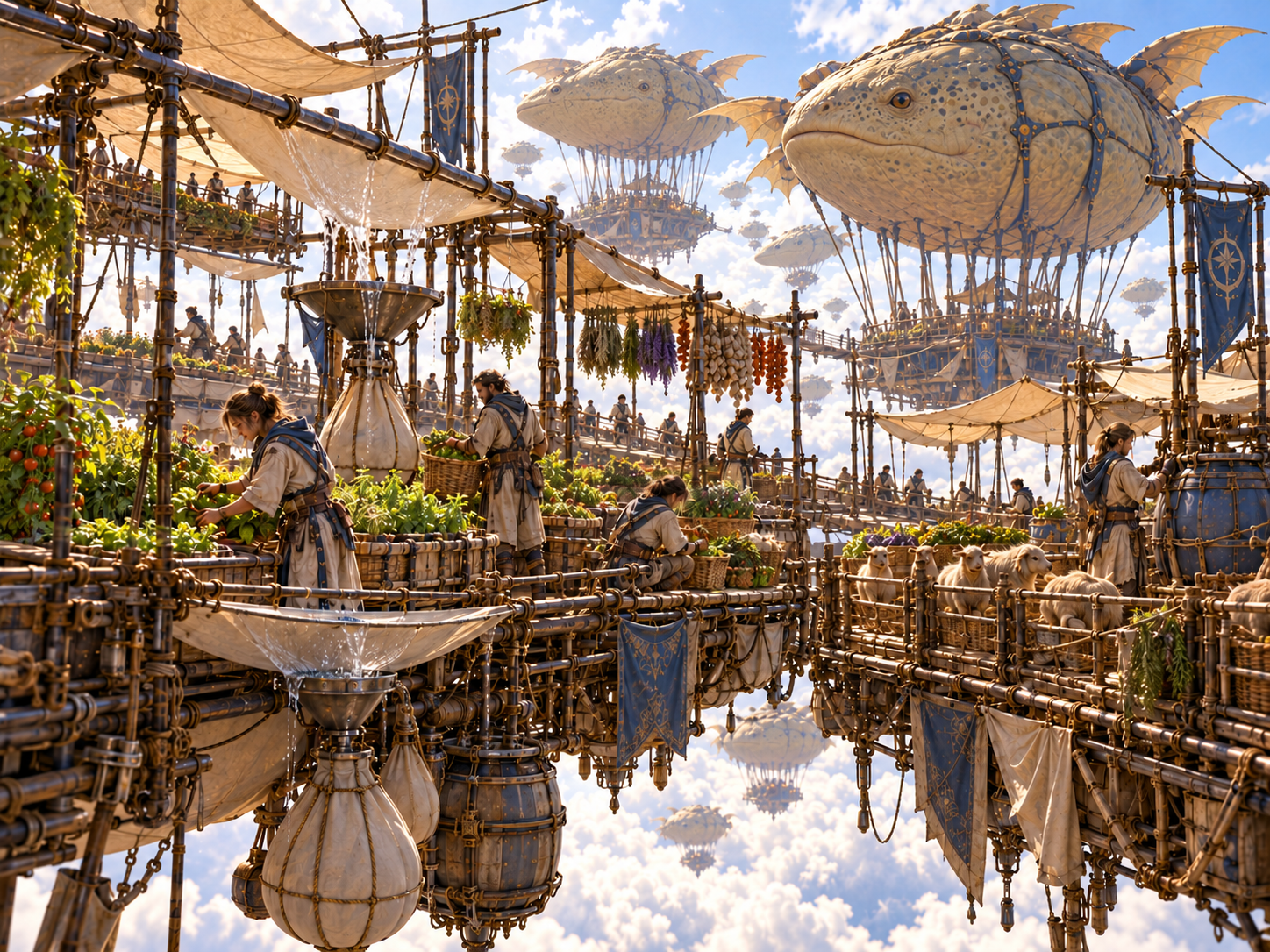
The Denfrandi trace their ancestry to Humans said to have survived the loss of a starship in Taloraan's atmosphere. The details of that story are uncertain, though its central problem has shaped Denfrandi life ever since: their ancestors had to make homes on a world with no ordinary ground to settle. Over generations, they learned to live alongside the immense sleft-chuffs and eventually suspended gondolas beneath the creatures, creating the living airships known as sleft-chuffni. Caring for the animals, working ropes and grappling lines, and reading the weather became essential skills. Households joined to form travelling communities, and the tribes developed their own routes and customs as they spread through the habitable sky.
Contact with the wider planet and the galaxy continued throughout their history. Taloraan's dealings with the Republic and the growth of technological settlements, including Taloraan City, offered trade and occasional opportunities beyond the flotillas. Communities took different approaches to those connections, according to their needs and the places they travelled. During the Galactic Civil War, Chief Laspevar and his people rescued Rebel travellers from an atmospheric storm and helped them find a way to leave Taloraan. The encounter is among the better-known accounts of Denfrandi dealings with outsiders.
When the Gulag Plague appeared around 425 ABY, generations of Denfrandi had already lived aboard travelling settlements equipped to collect water, cultivate food, store supplies and support their animals. The Plague still reached Taloraan's skies. Flotillas that traded often or received visiting crews were exposed, and once someone was infected, isolation offered little protection to those around them. Families and entire fleets were lost. Others endured shortages, abandoned routes and long separations from neighbouring communities.
The more remote tribes, however, could restrict contact with infected populations more readily than inhabitants of busy ports and cities. They also had fewer immediate problems when galactic commerce and reliable shipments broke down. Rainwater collection, seed stores and established cultivation continued, and some communities followed suitable weather through the long isolation. Their relative success came from where and how they lived. They had no immunity to the Plague.
Through the Four Hundred Year Darkness, the value of trained animals, shared work, preserved seeds and knowledge passed between generations became especially clear. Some flotillas grew as surviving households joined them, while others divided or disappeared. Familiar routes were lost, new meeting places were established and communities spent years without seeing relatives in other tribes. Accounts of the period differ widely.
When regular galactic contact eventually returned, the Denfrandi still had their own established trades and customs. They had retained considerable practical knowledge and could decide for themselves which renewed imports and conveniences were worth bringing aboard. That independence offered much less protection when Taloraan became a battleground in the ninth century ABY. During the One Sith period, Denfrandi settlements were targeted amid the conflict involving Sith forces and the Wind Raiders. Later accounts from the Galactic Alliance intervention described attacks on the tribes, people driven from their homes and sleft-chuffni taken from their owners.
The Alliance set out to assist displaced Denfrandi, help establish settlements, recover living transports and pursue those responsible. The effects were uneven across the tribes. For communities whose homes had been attacked, however, it was clear that familiar skills and good weather sense alone could not protect a gondola from organised military force.
Some tribes responded by arranging more regular patrols and training defenders specifically for the protection of flotillas. The fleft-wauf was one means of doing so. Wind Raider riders had used the native flying predators as mounts for generations, and their value in aerial combat was already familiar on Taloraan. Denfrandi handlers began acquiring, breeding and training their own animals for scouting, rescue and the defence of gondolas and their sleft-chuffs. Riders could use cloud cover and violent crosswinds to approach threats unexpectedly or disrupt an attack. It was a dangerous answer to a dangerous problem: a fleft-wauf cannot routinely outrun a starfighter or survive a direct exchange with ship-mounted weapons. The practice spread unevenly, with many communities continuing to avoid armed confrontation wherever possible.
Later, Taloraan's planetary government entered a public relationship with the First Order, celebrated in Taloraan City. That arrangement affected the world's political situation, but the travelling tribes had their own histories and concerns. Some maintained trading relationships with the city or visiting powers. Others stayed away from its affairs or dealt instead with nearby communities. Memories of the Plague, the attacks during the One Sith period and subsequent changes in government continued to influence who the tribes were willing to deal with.
In the present Chaos era, Denfrandi flotillas still cross the habitable skies of Taloraan. Larger communities travel with agricultural vessels, working decks and public halls, sometimes borne by bonded groups of sleft-chuffs. Smaller fleets follow routes passed down through their families. Some Denfrandi live or travel beyond the traditional settlements, and others seldom leave them. Stories of the True Wind remain familiar in many households, with the Blind Sail and related practices passed on wherever teachers are willing to share them. The tribes known to outsiders represent only a portion of the people living across Taloraan's atmosphere, and each carries its own history of the centuries that brought them here.
DENFRANDI CULTURAL RECORD // OPEN SKY ARCHIVE
FLOATING VILLAGES // SLEFT-CHUFFNI // WIND-CARRIED LIFE
Last edited: