Well-Known Viceroy




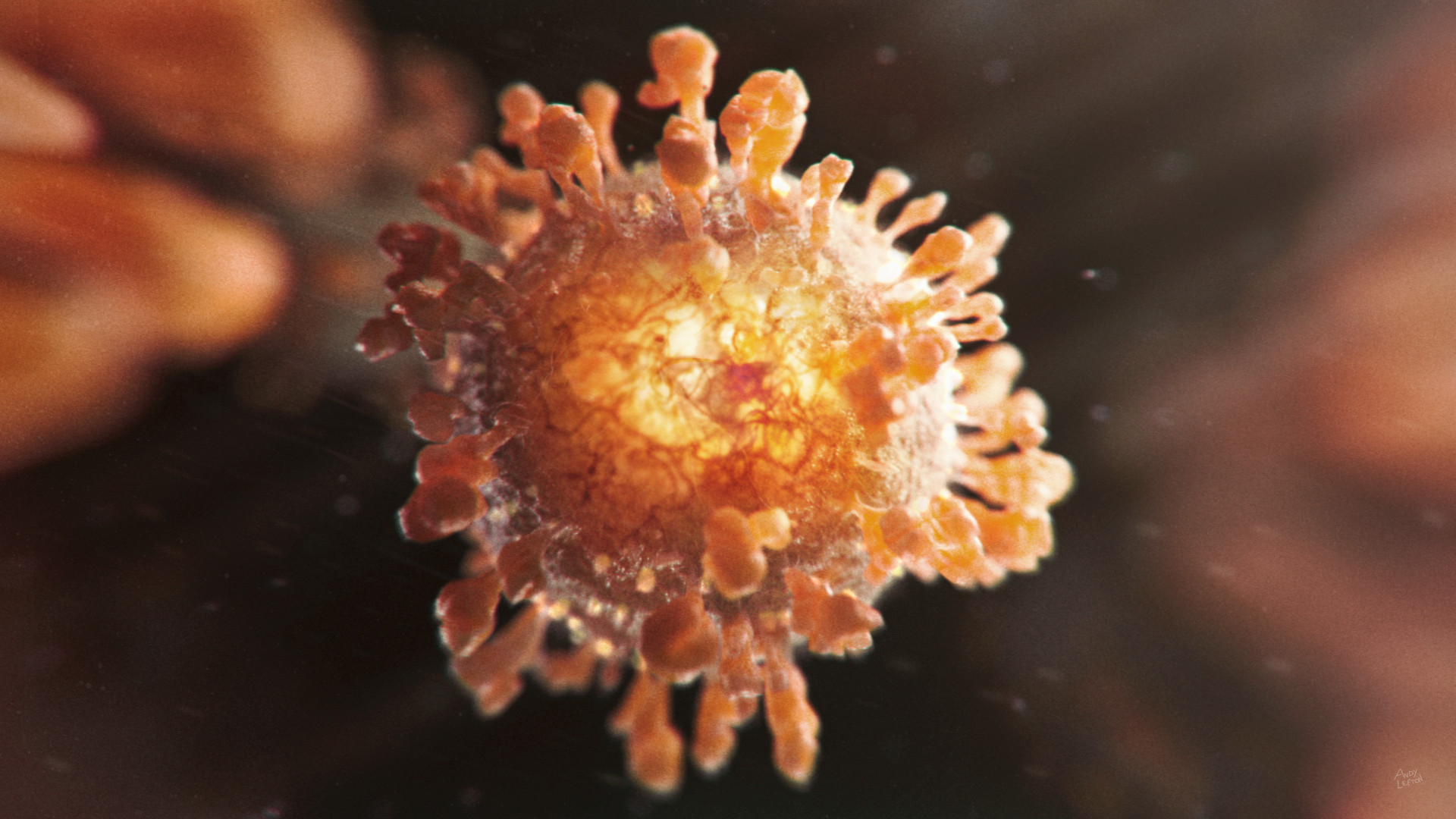
M O S S L A R A N - H I V E - V I R U S
OUT OF CHARACTER INFORMATION
- Intent: The Mosslaran Hive Virus serves as a high-stakes plot device for corporate intrigue, outbreak quarantines, heroic medical rescue missions, villainous bioweapon deployments, or SyntheTek black-ops scenarios
- Image Credit: SARS-CoV-2 (Coronavirus stylized)
- Canon: Not Applicable
- Permissions: Not Applicable
- Links: Poltur Virus | Jungle Virus | Hive Virus
- Scientific Name: Mosslaran Hive Virus
- Abbreviation: MHV
- Common Name: Mosslaran Rot
- Virus Family: Hiveloviridae (Synthetic Hybrid)
- Origins: SyntheTek under Doctor Sion Chalgan
- Other Locations:
- Description: A terrifying synthetic pathogen that fuses the flesh-eating horror of the Poltur Virus with the muscle-wasting gray plague of the Felucian Jungle Virus. Under electron microscopy it appears as a glowing, coral-like sphere bristling with club-shaped spikes resembling a tiny, fiery hive. It is engineered for maximum lethality and terror, turning victims into gray, rotting hives of living decay.
- Morphology: Spherical with dense crown of irregular, club-shaped protein spikes forming a distinctive hive or coral-like structure. The spikes facilitate rapid cell attachment and mimic the natural Poltur delivery mechanism while incorporating Jungle Virus wasting enzymes.
- Size: 120–150 nanometers in diameter.
- Color: Vibrant orange-red to deep rust with a luminous golden-yellow core that appears to "pulse" under magnification.
- Distinctions: Unlike natural viruses, MHV particles self-aggregate into microscopic hive-like clusters inside host tissue, visibly glowing under certain medical scanners. It is non-living outside a host but exhibits engineered pseudo-hive intelligence, adapting replication speed based on host immune response.
- Source: Synthetic
- Host Species: Humans, near-humans, Wookiees, Twi'leks, and most carbon-based sentient species; limited effect on non-humanoid species.
- Host Range: Broad (Many Species)
- Viability: Thrives in warm, humid, oxygen-rich environments (jungle/cavern conditions); highly stable in aerosol form and survives on surfaces for days.
- Lethality: Fatal
- Severity: Extreme
- Infectivity: Extreme
- Modes of Transmission: Primary: airborne droplets. Secondary: direct contact with bodily fluids or open wounds. Can also contaminate water supplies.
- Incubation Period: 48–96 hours (2–4 standard days) before visible symptoms.
- Re-Infection: No lasting immunity develops; survivors (rare) can be re-infected with accelerated progression.
- Vaccine/Cure: None publicly available. Reverse-engineering by independent labs is theoretically possible but extremely dangerous.
- Stage 1 (Days 1–2):
- Fatigue, low-grade fever, mild respiratory irritation.
- Stage 2 (Days 3–4):
- Skin turns a sickly gray and loses elasticity; rapid muscle atrophy begins (Jungle Virus effect). Victims appear emaciated and corpse-like even while conscious.
- Stage 3 (Day 5+):
- Necrotizing lesions erupt as flesh begins to rot from within. Viral hives form beneath the skin, visible as glowing, coral-like growths. Limbs blacken and must be amputated to slow spread (Poltur Virus effect). Extreme pain, fever spikes, and hallucinations as the virus invades the nervous system.
- Terminal:
- Multi-organ failure as internal hive clusters consume the body from the inside. Death usually occurs within 7–10 days of symptom onset. Bodies of the deceased continue to harbor active virus for weeks.
Strengths:
- Two-Phase Virus: Devastating two-phase pathology, wasting followed by flesh-eating makes it both psychologically terrifying and tactically efficient as a bioweapon.
- Many Species: Extreme infectivity across multiple species and transmission vectors allows rapid, hard-to-contain outbreaks.
- Sensitivty: Highly sensitive to extreme cold and certain radiation frequencies; proper cryogenic storage is required for long-term viability.
- Behavior: The hive clustering behavior makes it vulnerable to targeted broad-spectrum antivirals if the exact genetic sequence is obtained and weaponized against it.
Doctor Sion Chalgan , Director of SyntheTek Institute, personally oversaw the creation of the Mosslaran Hive Virus two years ago. Using stolen Poltur Virus samples recovered from Kashyyyk's Myyydril Caverns and classified Imperial research data on the Jungle Virus from Felucia's Vanishing Place, Chalgain fused the two into a single hyper-lethal pathogen.
The project was commissioned by shadowy corporate and criminal clients seeking a controllable population management tool. The first live tests would be carried out eventually once proper weaponization was possible, though some strands did escape to nearby systems within the cluster of the Sith Worlds.
SyntheTek now maintains the virus in secure vaults while Doctor Chalgain continues improvements, rumored to include attempts at limited neural hijacking for hive-mind control of infected hosts. It remains one of the galaxy's most closely guarded and feared viruses, with SyntheTek denying all knowledge while preparing for its eventual deployment.
Last edited: