

Imperial Warlord
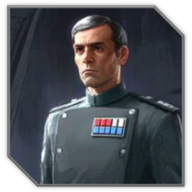




CHARACTER CREATION | ARMY:
"War is not glory, cadet. It is mud, smoke, amputations, and orders screamed over dying men. If that frightens you, good. It means you still think like a human being." - Unknown Army Soldier
Mission Statement:
The goal of Imperial Army within the Imperial Reclamation Authority is to create a grounded, engaging, and story-rich military experience that emphasizes character interaction, operational storytelling, and the harsh realities of serving within a declining but dangerously competent Imperial state. OOCly, the Army is intended to support a wide range of narratives—from frontline warfare and occupation campaigns to officer rivalries, logistical struggles, political interference, and the personal costs of endless military service. Rather than treating soldiers as faceless extras or invincible elites, the goal is to encourage writers to create believable characters with ambitions, flaws, loyalties, and relationships that can naturally grow through collaborative storytelling and active faction involvement.
The Army is designed to actively support its writers by providing consistent story opportunities, clear faction structure, accessible leadership, and meaningful involvement in the wider narrative of the Imperial Reclamation Authority. Whether someone wants to write a hardened stormtrooper veteran, an ambitious officer, a mechanized commander, a fresh recruit, or a logistics specialist trying to keep the machine functioning, the goal is to ensure there are always campaigns, operations, rivalries, deployments, and character-driven stories available for them to participate in. Writers are encouraged to pitch ideas, create their own subplots, develop unit identities, and collaborate with others, while leadership works to keep military storylines active, rewarding, and connected to the broader direction of the faction.
Alright, Let's do this:
When creating an Imperial Army or Stormtrooper Corps character, the most important thing to think about is not how powerful they are, but where they fit within the machine of the Empire. The Army is enormous and contains everything from frontline infantry, armored crews, artillery officers, logistics personnel, military police, engineers, pilots, medics, intelligence liaisons, and occupation administrators to hardened veterans who have spent decades retreating across hostile space. A good Army character should feel like someone shaped by military service and the environment around them. Consider where they came from, why they enlisted, what they believe about the Empire, and how years of war, propaganda, loss, or survival may have changed them over time.
You also do not need to start as an elite special forces operative or legendary commander to make an interesting character. In fact, lower-ranking officers, enlisted troopers, and ordinary personnel often create the strongest stories because they naturally have room to grow, fail, succeed, build relationships, and become involved in faction operations. A fresh lieutenant desperately trying to earn respect, a burned-out stormtrooper veteran who has seen too much, a tank commander obsessed with discipline, or a logistics officer trying to hold together a collapsing supply chain can all be far more engaging than someone who begins at the top. Ambition, flaws, rivalries, fears, and personal goals are what make military characters memorable.
Finally, remember that the Imperial Army is intended to be collaborative and character-driven. Your character should create opportunities for interaction rather than exist in isolation. Rivalries between officers, friendships between troopers, disagreements with Intelligence, tension with Navy personnel, conflicts with political officials, and reactions to morally difficult operations are all encouraged because they help create living military stories rather than simple combat roleplay.
"The galaxy is full of brave men buried beneath smarter enemies. Learn the difference between courage and survival." -
 Cerein Aron
Cerein Aron
So, what's the difference between Stormtroopers and the Imperial Army:
The Imperial Army and Stormtrooper Corps serve alongside one another, but they fulfill very different roles within the Imperial Reclamation Authority and carry very different cultures, expectations, and battlefield responsibilities.
The Imperial Army forms the bulk of the Authority's ground warfare capability. Army personnel are the occupation forces, mechanized infantry, artillery crews, armored divisions, engineers, logistics personnel, military police, and frontline soldiers responsible for actually holding territory and sustaining campaigns over long periods of time. They are designed for large-scale warfare and military administration rather than shock assault alone. Army characters tend to operate within broader military structures and are often involved heavily in prolonged deployments, planetary occupations, defensive operations, convoy security, urban warfare, and the day-to-day reality of military life within the Empire. Army culture is generally harsher, more grounded, and more pragmatic—soldiers who survive through discipline, endurance, and experience rather than reputation.
The Stormtrooper Corps, meanwhile, represents the elite ideological and operational arm of Imperial ground warfare. Stormtroopers are better equipped, held to far stricter standards, and deployed where the Authority requires absolute obedience, aggressive assault capability, or overwhelming psychological presence. They are shock troops, boarding forces, rapid response units, suppression specialists, and symbols of Imperial authority itself. Where the Army occupies a city, Stormtroopers break it. Where the Army establishes order, Stormtroopers enforce fear. Their training is more intense, their indoctrination more severe, and their operational expectations significantly higher. Stormtrooper characters are ideal for writers interested in highly disciplined soldiers, elite military culture, dangerous combat deployments, and the darker side of Imperial service.
OOCly, the distinction is also intended to support different kinds of stories. Army characters are excellent for slower-burn military narratives, political interactions, occupation stories, logistics, mechanized warfare, and large-scale campaigns. Stormtrooper characters lean more toward elite operations, brutal frontline combat, boarding actions, anti-insurgency work, and direct enforcement of Imperial authority. Both are important to the faction, and both are intended to regularly interact—sometimes cooperatively, sometimes competitively—within the wider military structure of the Imperial Reclamation Authority.
Alright, what about Ranks/Units:
The Imperial Reclamation Authority uses a relatively straightforward military structure designed to be easy for writers to understand while still feeling authentically Imperial and allowing room for hierarchy, progression, and interservice politics. Both the Imperial Army and Stormtrooper Corps operate through a traditional chain of command where authority, responsibility, and operational control matter heavily in roleplay. Rank is important within the faction, but it is not intended to completely dominate storytelling—initiative, activity, competence, and contribution to faction narratives are equally important factors in determining influence and responsibility.
At the lowest level are enlisted personnel and junior officers. These characters form the backbone of most military stories and are often the easiest starting point for new writers. Troopers, sergeants, lieutenants, and captains typically command squads, platoons, companies, or small operational detachments and are heavily involved in frontline campaigns, patrols, occupation duties, and direct interaction with other characters. These ranks are ideal for character-driven storytelling because they place writers directly into the day-to-day military environment while still giving them enough authority to lead operations and make meaningful decisions.
Above them sit senior officers and command staff responsible for larger formations and strategic operations. Majors, colonels, generals, and naval equivalents oversee battalions, regiments, fleets, sectors, and major campaigns while competing politically with rival branches of the military and government. These characters are expected to participate not only in warfare, but also in planning, diplomacy, logistics, political maneuvering, and leadership decisions that affect the wider direction of the faction. Senior command within the IRA is intentionally political: Army officers clash with the Navy over resources and strategic priorities, Intelligence interferes in military matters, and government officials attempt to control all of them. This creates an environment where military rank provides authority, but not absolute control.
Unit structure is similarly designed to support a variety of story scales. Small units such as squads, fireteams, armored crews, or Stormtrooper detachments are perfect for personal stories, deployments, and smaller operations. Larger formations such as companies, battalions, regiments, mechanized columns, and fleet battlegroups are used for major campaigns, invasions, occupation efforts, and faction-wide storylines. Writers are encouraged to develop identities for their own units—naming them, establishing reputations, creating traditions, rivalries, and operational specialties—as this helps build a stronger shared military culture within the faction.
For an easy to use page regarding these matters, consult the following link located in Resources: [X]
"There are old soldiers and there are bold soldiers. The graveyards are full of the ones who tried being both." - Unknown Stormtrooper
Where do I begin?
Firstly, follow the link below to access the character sheet template, which you can directly copy and paste for your own character creation: [X]
Once your character sheet is completed, post it on the forum and feel free to share it within the Discord so everyone can get to know both you and your character. From there, start chatting with other members, discussing ideas, and finding potential roleplay opportunities within the faction.
After you have settled in and established your character, officially enlist them into the Imperial Reclamation Authority by filling out the quick registration form attached here: [X]
This helps staff keep track of active faction characters and allows us to better involve you in future events, operations, storylines, and faction opportunities.
If you have any questions at any stage, feel free to contact staff through the Discord or reach out directly to
Cerein Aron
on the forum and most importantly, be excited and have fun. "There is freedom in knowing tomorrow is not promised. It means today belongs entirely to you." - Inscription on the tomb of Private O'Reilly