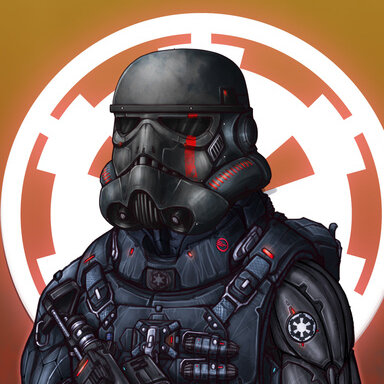

Moff
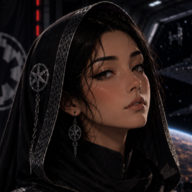



Location: Carida
Equipment:
Ornate Dagger
SE-14r light repeating blaster
Datapad Filled With Cultures Of The Galaxy
Tags:
 Cadence Vex
 FN-999 (restored)
|Open
FN-999 (restored)
|OpenAs always Amarra truly appreciated
Cadence Vex
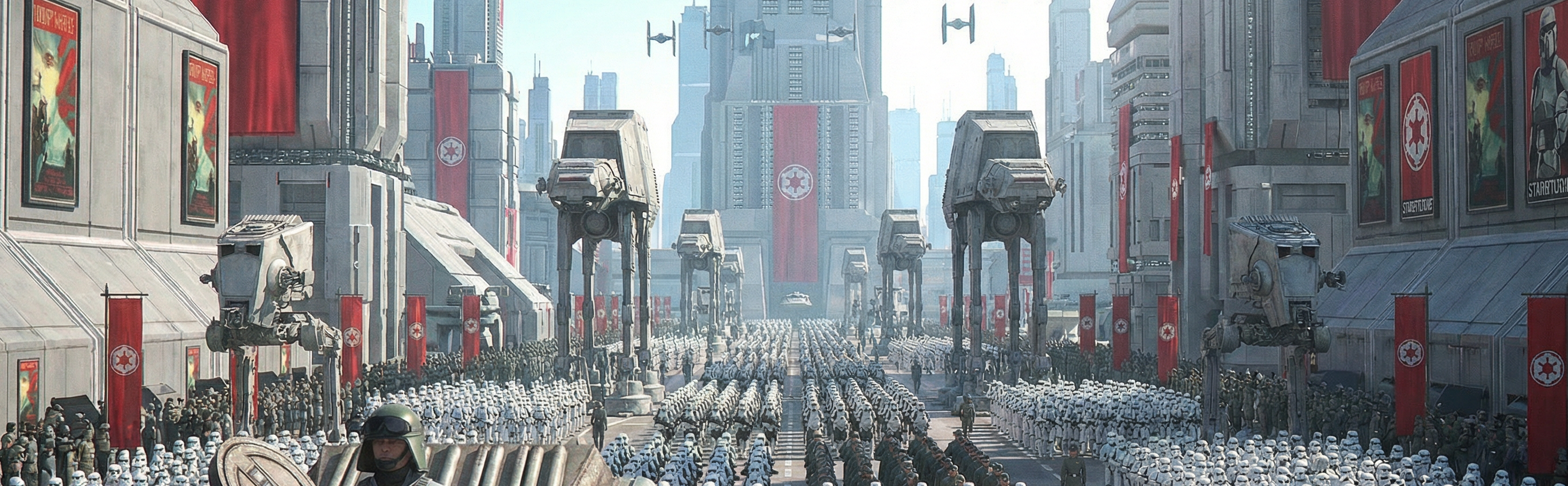
and her insight into matters that they both attend. It was rather difficult to always find an aide or an advisor to truly bounce your thoughts off of. Amarra glanced more at the parade, especially at the officers and NCO's amongst them. Truly some of them properly did wonder which of these various high ranking Imperials will claim their men for their own ambitions. Which one will Cardia throw its support behind. We were being evaluated just as much as they were evaluating them. Amarra did a side glance to the other various Imperial warlords that have gathered. Most of them..she didnt entirely know. Probably due to her only recent ascension to being a Moff. But there is one person she has heard of before.Amarra briefly turned her head at
 Marlon Sularen
as she watched him speak to others. She remembered hearing about him during her time with the Imperial Confederation. He was at the top of the food chain as an officer could climb too. He has years of military leadership under his belt. Though Amarra also knew that Marlon himself, was a rather controversial Imperial figure and always believed in a highly militarized state. Conquest is his true passion. She was skeptical at how that line of thinking will work in the long term. Especially with the Sith and Mandos still around.
Marlon Sularen
as she watched him speak to others. She remembered hearing about him during her time with the Imperial Confederation. He was at the top of the food chain as an officer could climb too. He has years of military leadership under his belt. Though Amarra also knew that Marlon himself, was a rather controversial Imperial figure and always believed in a highly militarized state. Conquest is his true passion. She was skeptical at how that line of thinking will work in the long term. Especially with the Sith and Mandos still around. Her thoughts however were interrupted.
“I hope you aren’t excluding yourselves.” remarked FN-999, as straightforward as ever.
With a simple nod of his head, his guard fanned out, still as alert as ever but giving the trio the privacy to speak their minds.
“Of course, the same applies for me.” continued the general. “FN-999, from the Caragachi Enclave. Unknown Regions."
Though he gave the occasional glance to both women, his helmeted gaze never left the procession below for long.
“As I was saying, we are all participants in this review in one way or another. Just as we look to the soldiers for reassurance, they look up to us as inspiration. Some may see a vain, disinterested commander and grow jaded about the idea of serving the Empire. Others may see a leader or group of leaders alert and at attention and feel reassured that they are fighting for the right thing."
"It is wise to remember that it is not only the troops who are being judged here."
Amarra briefly glanced at Cadence and then turned to the Stormtrooper Officer, her eyes looking for a sign of rank. Though he referred to himself as a designation instead of name, indicates a much more collectivist mentality. This Enclave that he claims to be from. Not uncommong amongst the Imperial factions. Her eyes found a marking of rank. General FN-999. Amarra flashed a small professional smile as she held her datapad close to her side.
"In that we are in agreement. Everyone is being evaluated and measured. Everyone is guaging where the other is and trying to piece together of what their version of the Empire is like." Amrra gave a nod "Moff Amarra Nova, to my right is my aide, Cadence." Amarra did not name an Imperial faction she was apart of. Truth be told, she had been on her way to the Imperial Reclaimation Authority before being detoured here. For now, she has no such allegiances.